
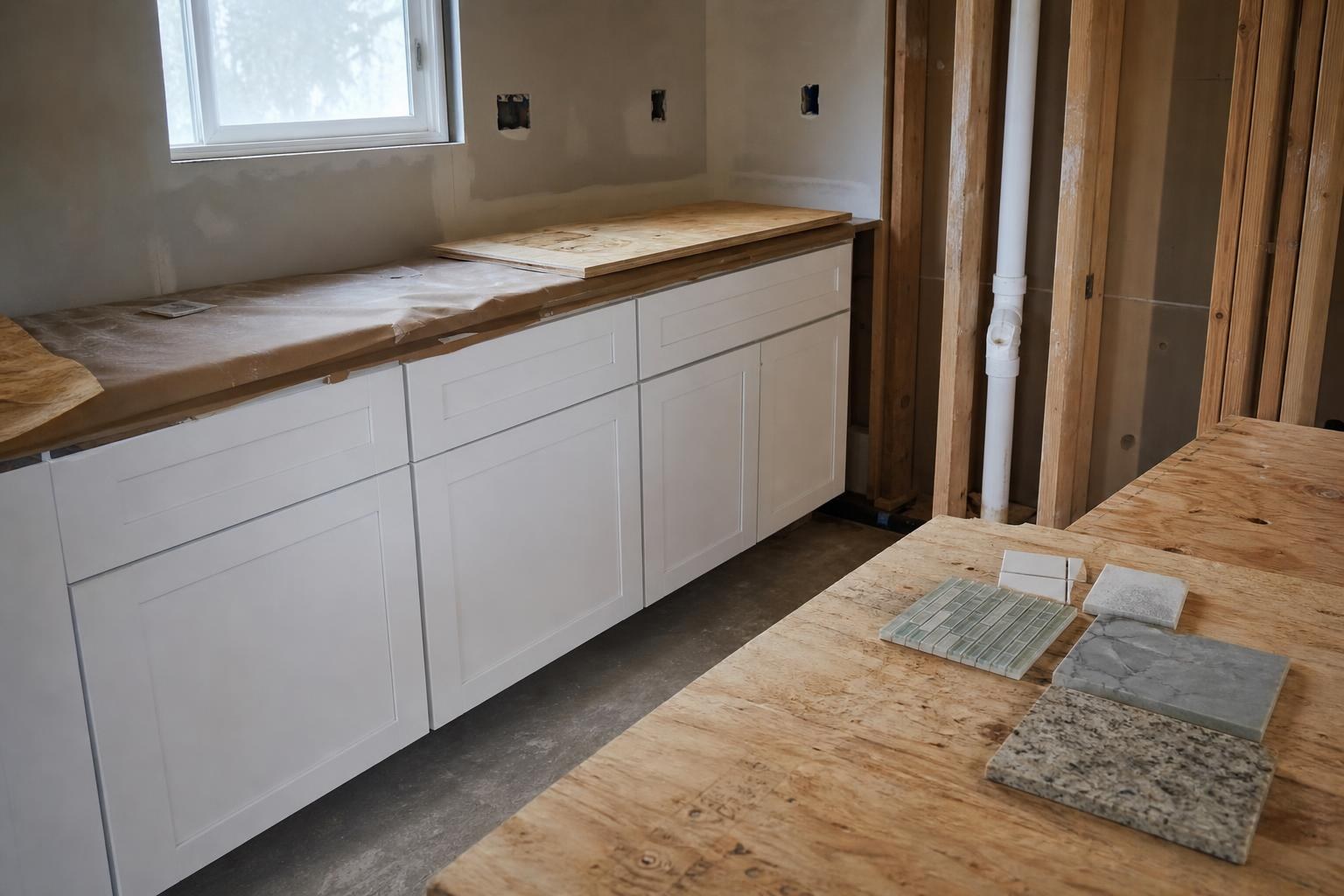
Before a remodel starts, most homeowners in Fort Myers ask us the same thing: what is a change order, and will I end up needing one? A change order is the written way a project adjusts after the contract is signed, and understanding it ahead of time is one of the best ways to keep a remodel calm, on schedule, and predictable through the final invoice.
Almost every renovation changes in some small way once walls are open and selections are final. That is normal. What matters is that every change is described, priced, and agreed on in writing before the work goes forward, so nobody is guessing about what was promised.
What triggers a change order in a Southwest Florida home, what a good one should say, and how to keep changes to a minimum are covered below, whether you live here year-round or only part of the year.
What Is a Change Order?
A change order is a written amendment to your contract that changes the scope of work, the price, the schedule, or all three. If the original agreement said you would get a new vanity, and you later decide on a larger one with a second sink, the change order records that decision, what it adds or credits to the price, and how it affects the timeline.
It is not a sign that something went wrong. It is the paperwork that keeps the contract accurate as the job evolves, and our general contracting process defines every line of the job before the contract, including what is included, what is excluded, and which decisions are still open. That upfront clarity is what makes a change order easy to read later.
What Usually Triggers a Change Order
Most change orders come from four sources: decisions you make after signing, hidden conditions found after demolition, selections or materials that change because of availability, and requirements from an inspector or the permit office. Each one is handled the same way, with a plain description and a signature before work continues.
Permit and inspection requirements are a good example. Rules differ by city and county, and a reviewer may ask for something the plans did not anticipate. If you are planning a large project in Lee County, our guide to the Lee County permit process for major remodels explains how that review works.
Hidden Conditions Behind Southwest Florida Walls and Slabs
The most common reason for a mid-project change is something nobody could see until demolition. In an older home in Cape Coral or Punta Gorda, that might be old plumbing that has to be replaced, wiring that was acceptable when the house was built but needs updating to pass inspection today, or a wall that turns out to be block instead of framing.
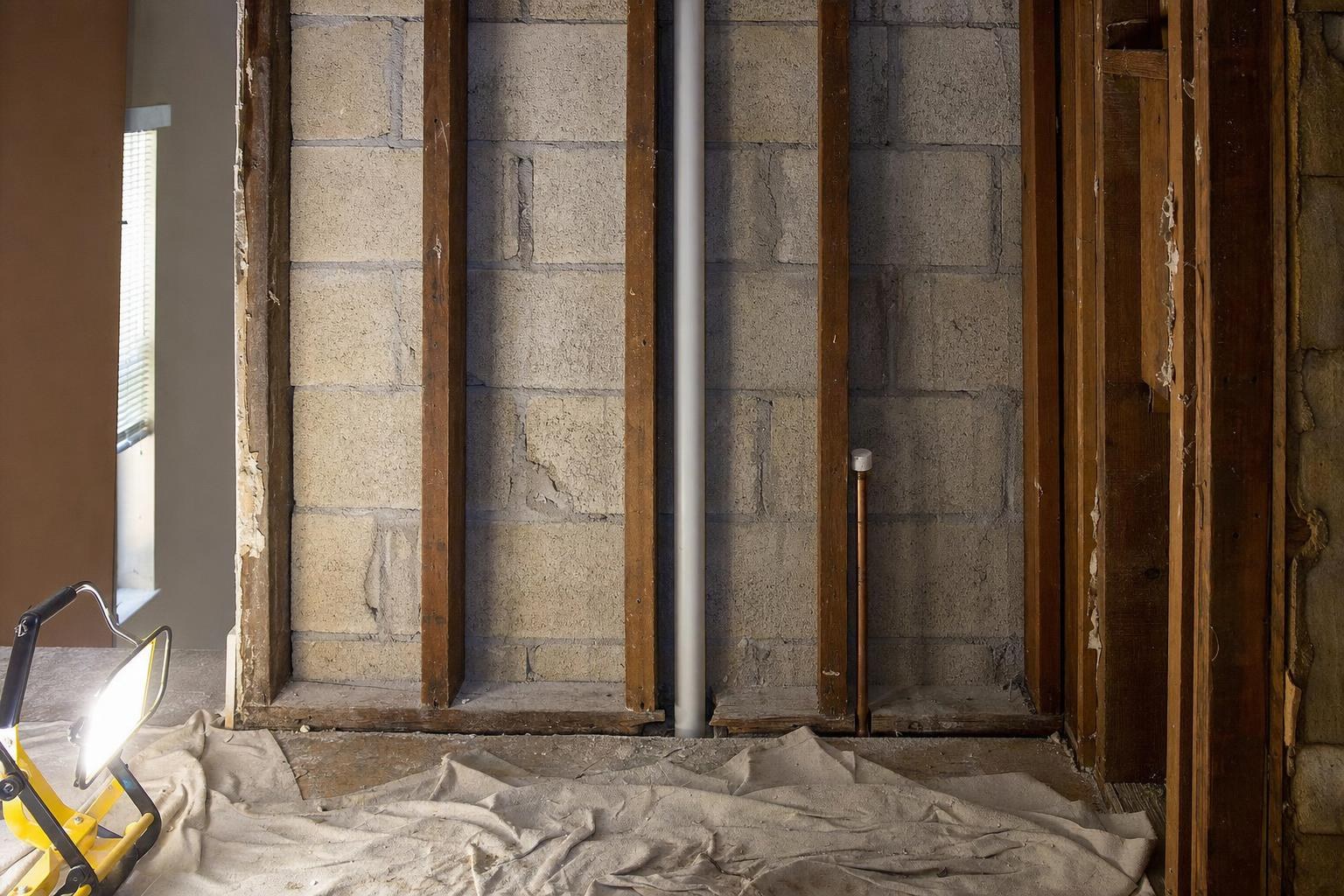
Slabs bring their own surprises. A drain may not sit where the old plans showed, or the concrete may be cracked or uneven once flooring comes up. When we find a hidden condition, we document it with photos, explain the options, and write up the change before any added work goes forward.
If you are a remote or seasonal owner, ask for those photos every time. Seeing the opened wall or the exposed pipe yourself makes it far easier to approve a change with confidence.
Owner Selections and Upgrades After Signing
The other big source of change orders is you, and that is perfectly fine. Once you see a tile sample in the room or stand in a framed space, it is natural to want a bigger niche, a different cabinet layout, or an upgraded fixture. Each of those decisions is a change to the agreed scope.
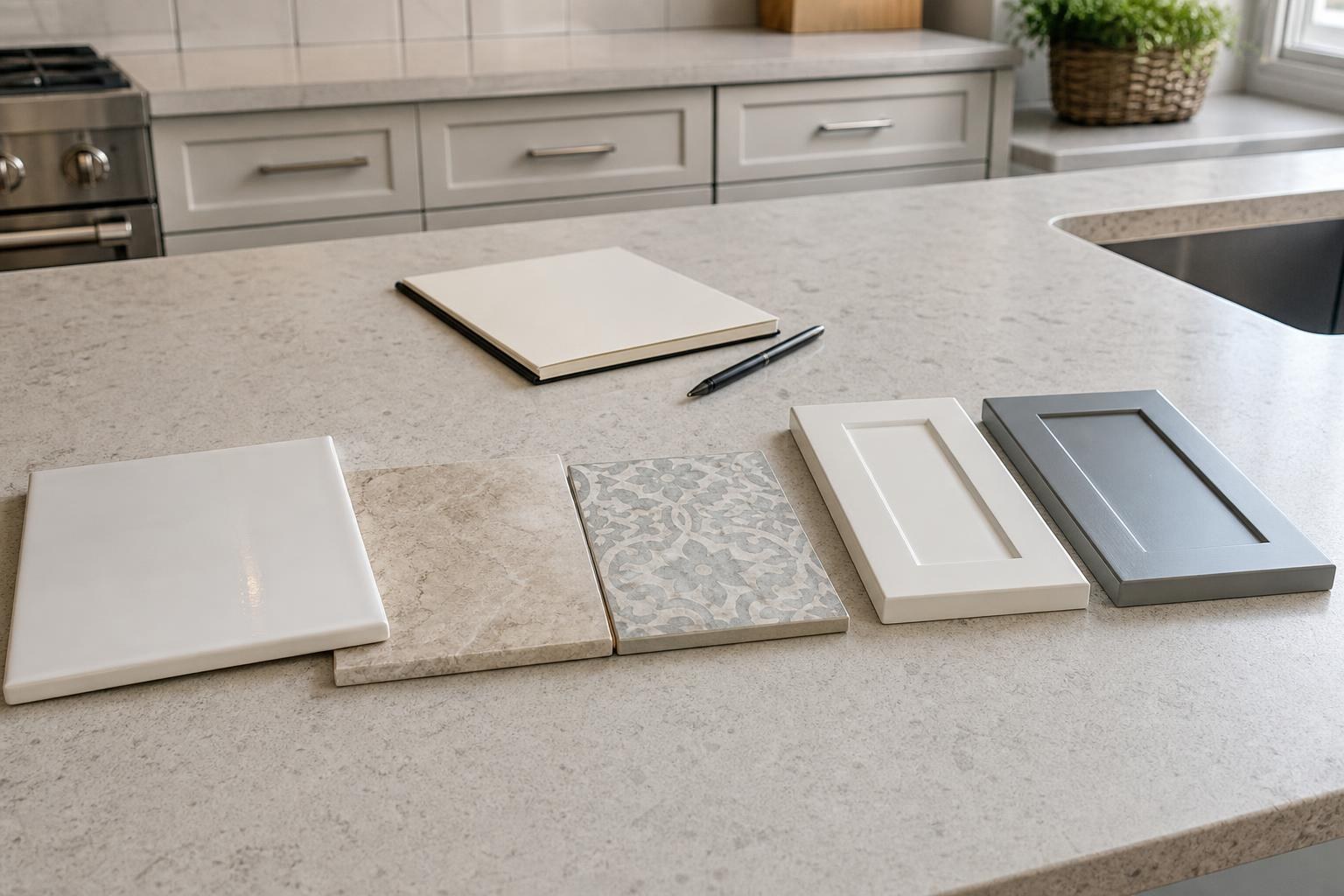
Allowances work a little differently. An allowance is a set budget amount for selections you have not made yet, such as tile or lighting, and it differs from a change order because the item is already part of the original scope. Check how your contract handles amounts above or below an allowance, and ask us to walk through it before you sign.
Material availability can also trigger a change. If a chosen product is delayed or discontinued, we bring you a substitute to review and record the decision the same way, so the final result reflects what you approved.
What a Good Change Order Should Say
So what is a change order supposed to look like on paper? A well-written one is short and specific. It should include a plain description of the change, the price added or credited, the effect on the schedule, and signatures from both you and the contractor before the work proceeds. Never approve a change verbally, even when it seems small, because a spoken agreement is easy to misremember later.
The University of Florida’s UF/IFAS guide to hiring and managing residential contractors advises handling change orders during construction separately from the original contract, and recommends tying payment draws to how much of the work is actually complete. For more on how payments should be structured, see our contractor contract and payment checklist.
This is general information, not legal advice, and your signed contract governs. If you have a question about a specific clause, ask your contractor or an attorney.
How to Keep Changes to a Minimum
The best way to avoid change orders is to finalize your selections before demolition starts. Choose tile, cabinets, fixtures, and lighting early, and confirm the layout in the 3D design visualization so you can see decisions in space before construction begins. Moving a wall on screen is a quick edit; moving it after framing is a change order.
Build a little breathing room into your planning as well. Walk the house with your contractor before demolition, ask which areas are most likely to hide a problem, and decide ahead of time how you would like to handle the most likely surprises. A homeowner who has already thought about a worst case, such as an old drain line that needs replacing, can approve a change quickly and keep the crew moving.
Also ask every contractor how they price and document changes before you sign. A clear answer tells you a lot about how the project will run. Our post on reading a contractor estimate shows what to look for in the scope, the inclusions, and the exclusions.
Approving Changes When You Are Away
Many homeowners in Naples, Bonita Springs, and Estero live elsewhere part of the year, and a remodel does not stop when they travel. A change order can often be approved by signed email, so you do not need to be on site; confirm the method in your contract. Ask for clear photos and a short written summary so you understand what you are approving.
Give the contractor a single point of contact, agree on how fast you will respond, and plan ahead for key decisions so your absence does not slow the schedule. Good communication prevents small questions from becoming large delays.
Frequently Asked Questions
Is a change order always an added cost?
No. A change order can add to the price, credit it, or simply adjust the schedule. If you choose a simpler fixture or remove an item from the scope, the change order records a credit.
Can I say no to a change order?
You decide whether to approve a change, but ask what happens to the work if you do not. Sometimes a hidden condition has to be corrected before a wall can be closed or an inspection can pass, so talk through the options with your contractor first.
What is the difference between an allowance and a change order?
An allowance is a set budget amount for a selection that is already part of the original scope, such as tile or lighting you have not chosen yet. A change order changes the scope itself, the price, or the schedule. Check how your contract treats amounts above or below an allowance.
Can I approve a change order if I live out of state?
Yes. A signed email often works for homeowners who are away, but confirm the method in your contract. Ask for photos of any hidden condition and a written summary of the change. Do not approve anything you do not understand, and never approve a change verbally.
A remodel goes more smoothly when the process for changes is settled before work starts. See how we run a project on our general contracting page. Call us at (239) 771-2855 to schedule a showroom visit or request an estimate. We are a licensed Florida general contractor (CBC1268590) with a 5.0 Google rating.