
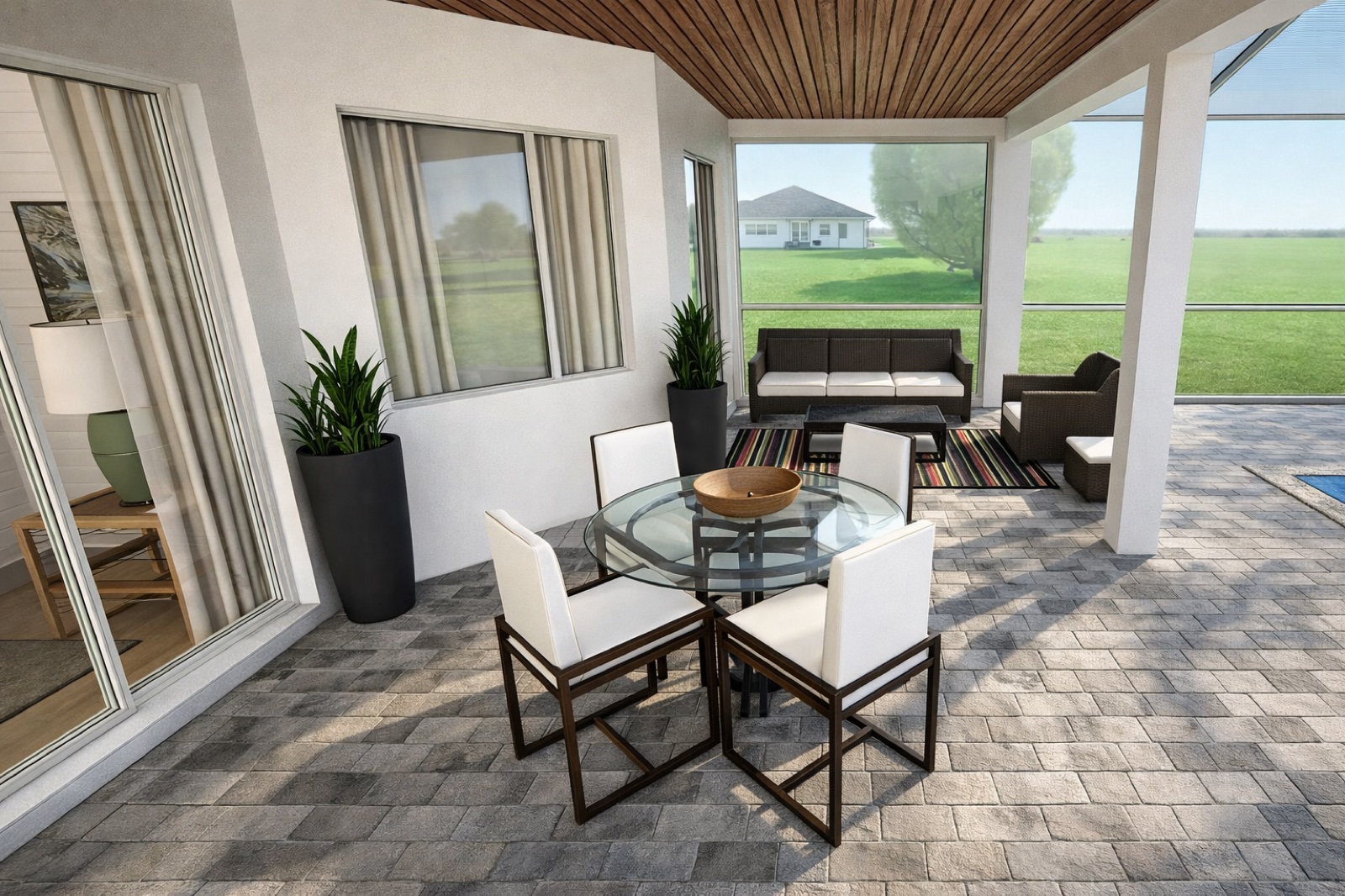
A well-built paver patio is one of the most rewarding outdoor projects a North Fort Myers homeowner can take on, and it is something our team gets asked about often. Our climate practically invites you to live outdoors most of the year, and a thoughtfully designed patio extends your usable living space well beyond the walls of the house. Below we share the paver patio ideas we find ourselves returning to with homeowners across North Fort Myers, Cape Coral, and Punta Gorda, along with the practical considerations that keep a patio looking good through years of sun, rain, and heat.
Choosing The Right Paver Material
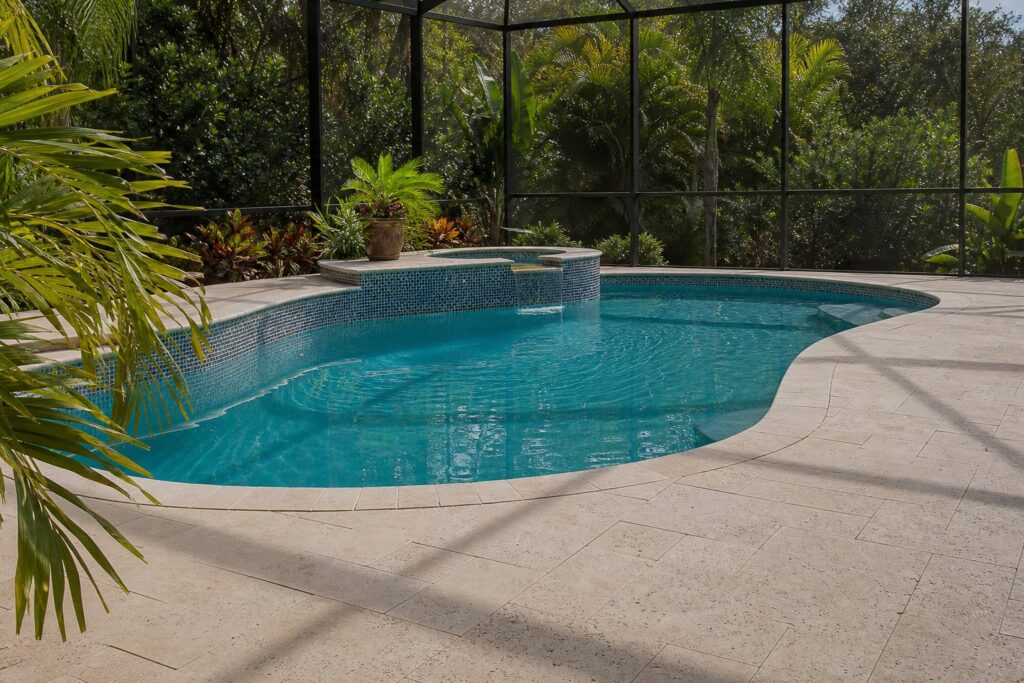
The first decision is material, and it sets the tone for everything else. Concrete pavers are the workhorse of Southwest Florida patios because they are durable, come in countless shapes and colors, and handle our heat without fading quickly when sealed. Travertine is a popular upgrade that stays noticeably cooler underfoot, which matters around a pool deck or any surface you walk on barefoot in July.
We talk through how each material handles our specific conditions before anyone falls in love with a photo online. The right choice balances the look you want with how the surface will actually feel and wear in our climate.
Patterns And Layouts That Work
Among the paver patio ideas homeowners respond to most, layout often makes the biggest visual difference. A herringbone pattern reads as classic and ties a space together, while a large-format modern paver with tight joints gives a cleaner, contemporary feel. Running a contrasting border around the perimeter frames the patio and helps it feel intentional rather than tacked on.
We also think about scale. A small courtyard behind a North Fort Myers home calls for a different paver size and pattern than a sprawling backyard, and matching the layout to the space keeps the result from feeling busy or sparse.
Building For Drainage And Our Rainy Season
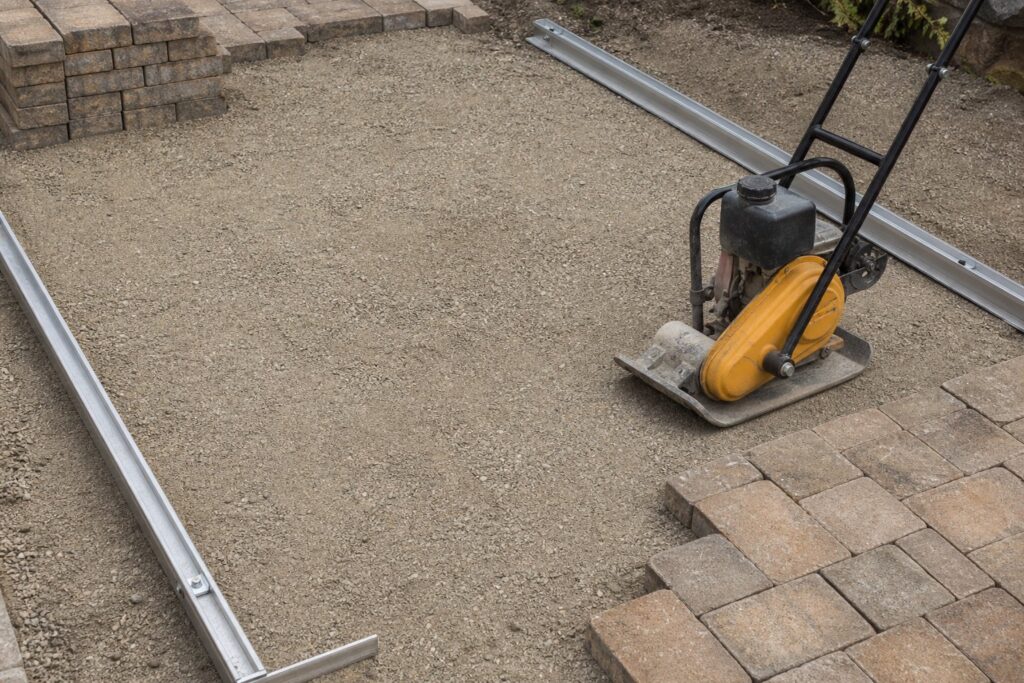
Drainage is the part of patio building nobody sees, and it is the part that separates a patio that lasts from one that heaves and pools. Our summer downpours dump water fast, so we slope every patio away from the home and build it over a properly compacted base of crushed stone and bedding sand. That base is what keeps pavers from shifting and dipping over time.
We have repaired enough sunken patios to know that skimping on base depth or compaction is where most failures start. Doing it right from the ground up is far cheaper than redoing it in a few years.
Edge restraint is another piece homeowners rarely hear about. Pavers along the perimeter want to drift outward over time, so we install proper edging that locks the field in place. Combined with a compacted base and good drainage, that edge restraint is what keeps the joints tight and the surface flat for the long haul. These hidden details are the difference between a patio that ages gracefully in our climate and one that needs constant attention.
Connecting The Patio To Your Home
The best patios feel like an extension of the house, not a separate island. We pay close attention to where the patio meets the lanai, the back door, and any existing pool deck, keeping transitions smooth and elevations consistent. A patio that flows naturally from your indoor living space gets used far more than one you have to step down into awkwardly.
When a home already has a screened lanai, we often extend the pavers right up to it so the two areas read as one continuous outdoor room. That continuity is what makes a backyard feel finished.
We pay attention to elevation here as much as appearance. A patio that sits a step too high or too low next to the lanai or the back door interrupts the flow and becomes a tripping point. By setting the finished height carefully against the existing slab and threshold, we keep the transition smooth and the whole space comfortable to move through.
Adding Shade And Comfort
A patio in North Fort Myers needs shade to be usable through the hottest months. A pergola, a pavilion, or a well-placed shade sail turns a sun-baked slab into a space your family actually enjoys at midday. We design these structures to handle our wind loads, so they stay put when summer storms roll through.
Comfort also comes from layout. Leaving room for a dining set, a lounge area, and clear walking paths means the patio works for the way you really spend time outside, rather than just looking good in photos.
Fire Features And Outdoor Kitchens
Many of the homeowners we work with want their patio to do more than hold a few chairs. A built-in fire pit gives a gathering point for cooler winter evenings, and an outdoor kitchen turns the patio into a true entertaining space. We plan the gas, electrical, and water runs during the base work so nothing has to be torn up later.
Even a simple grill station with counter space changes how a backyard functions. We size and place these features so they complement the patio rather than crowding it.
Sealing And Long-Term Maintenance
Sealing a paver patio protects the color and makes routine cleaning far easier, which is worth doing in our intense sun. A quality sealer helps resist staining, slows fading, and keeps weeds and ants out of the joints. We walk every client through a simple maintenance routine so the patio keeps looking sharp.
Maintenance is light when the patio is built and sealed correctly. An occasional rinse, the odd joint sand refresh, and resealing every few years is usually all it takes to keep things looking close to new.
Bringing Your Patio Ideas Together
The strongest paver patio ideas come from matching the design to how your family lives and to the realities of our North Fort Myers climate. We start with a conversation about how you want to use the space, then layer in the material, layout, drainage, shade, and features that fit your yard and budget. The aim is a backyard that feels like a natural extension of your home and holds up beautifully through every Southwest Florida season.
For Florida-specific guidance on permeable pavers and drainage, see UF/IFAS Extension’s technical overview of permeable pavement systems.
Frequently Asked Questions
How long does a paver patio last in our climate? Built on a proper compacted base and sealed periodically, a quality paver patio can last for decades. The base preparation and drainage are what determine longevity far more than the pavers themselves.
Are pavers too hot to walk on in the summer? Some are warmer than others. Travertine and lighter-colored pavers stay cooler underfoot, which is why we often recommend them for pool decks and patios where you walk barefoot.
Can you add a patio to a yard that floods after storms? Often yes, but drainage has to be solved as part of the design. We grade the patio and the surrounding area to move water away from the home rather than letting it collect.
Will weeds grow up between the pavers? Polymeric joint sand and a good sealer keep most weeds and ants out. Occasional upkeep handles the rest, and it is a small task compared to the look a paver patio delivers.
If you are picturing a new backyard this season, our team would be glad to walk your yard and talk through options. See the kinds of spaces we create on our outdoor living page, explore the work we do nearby on our North Fort Myers remodeling page, and reach out through our contact page or call (239) 771-2855 to get started.