
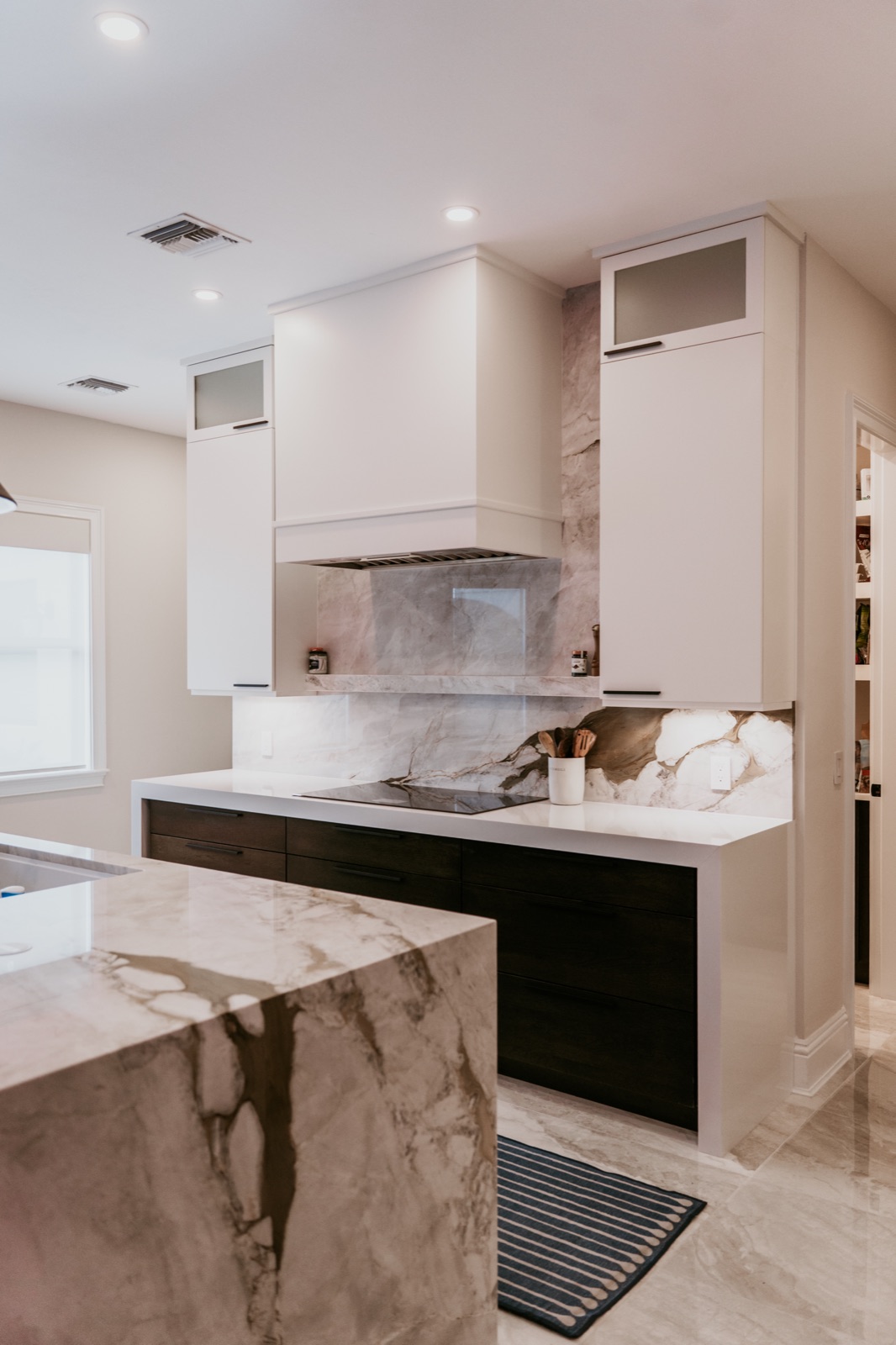
Small edge details can change how a kitchen feels every day. When homeowners compare countertop edge profiles fort myers options, they usually start with looks. That makes sense, but the edge also affects cleaning, comfort, chip resistance, and how the countertop fits the style of the room. In Fort Myers kitchens, that choice often comes up during a cabinet update, full remodel, or stone replacement. A crisp square edge can feel modern, while a softer round edge can be easier on hips, hands, and small kids. Before you choose, it helps to understand how each profile behaves on quartz, granite, and other common surfaces used in Southwest Florida homes.
Eased, pencil, and straight edges: the most practical starting point
For many kitchens, the simplest edge is also the smartest one. Eased, pencil, and straight-style edges fit a wide range of designs and do not overpower the countertop pattern.
Eased edge
An eased edge looks almost square, but the sharpness is slightly softened. This small change makes a big difference in daily use. It is one of the easiest profiles to wipe clean because crumbs do not get trapped in deep curves or carved details. It also reduces the hard, sharp feel of a true square corner.
Eased edges work especially well in transitional, modern, and coastal kitchens. In Fort Myers, many homeowners prefer this profile because it feels current without looking stark.
Pencil edge
A pencil edge has a slightly more rounded top corner than an eased edge. It still reads as clean and simple, but it feels softer to the touch. If your household leans on counters often, or if children tend to bump into corners, a pencil edge can be a comfortable middle ground.
Straight or square-look edge
Many people ask for a square edge, but fabricators often recommend a softened version instead of a truly sharp 90-degree corner. Sharp corners can be more prone to visible chips, especially near busy sink runs, prep areas, and narrow countertop overhangs. A square look with minimal easing gives you the visual style without as much risk.
If you are already planning a larger kitchen update, it helps to coordinate the edge profile with your cabinets, backsplash, and layout. You can see how countertop choices fit into a broader kitchen remodeling project before making a final selection.
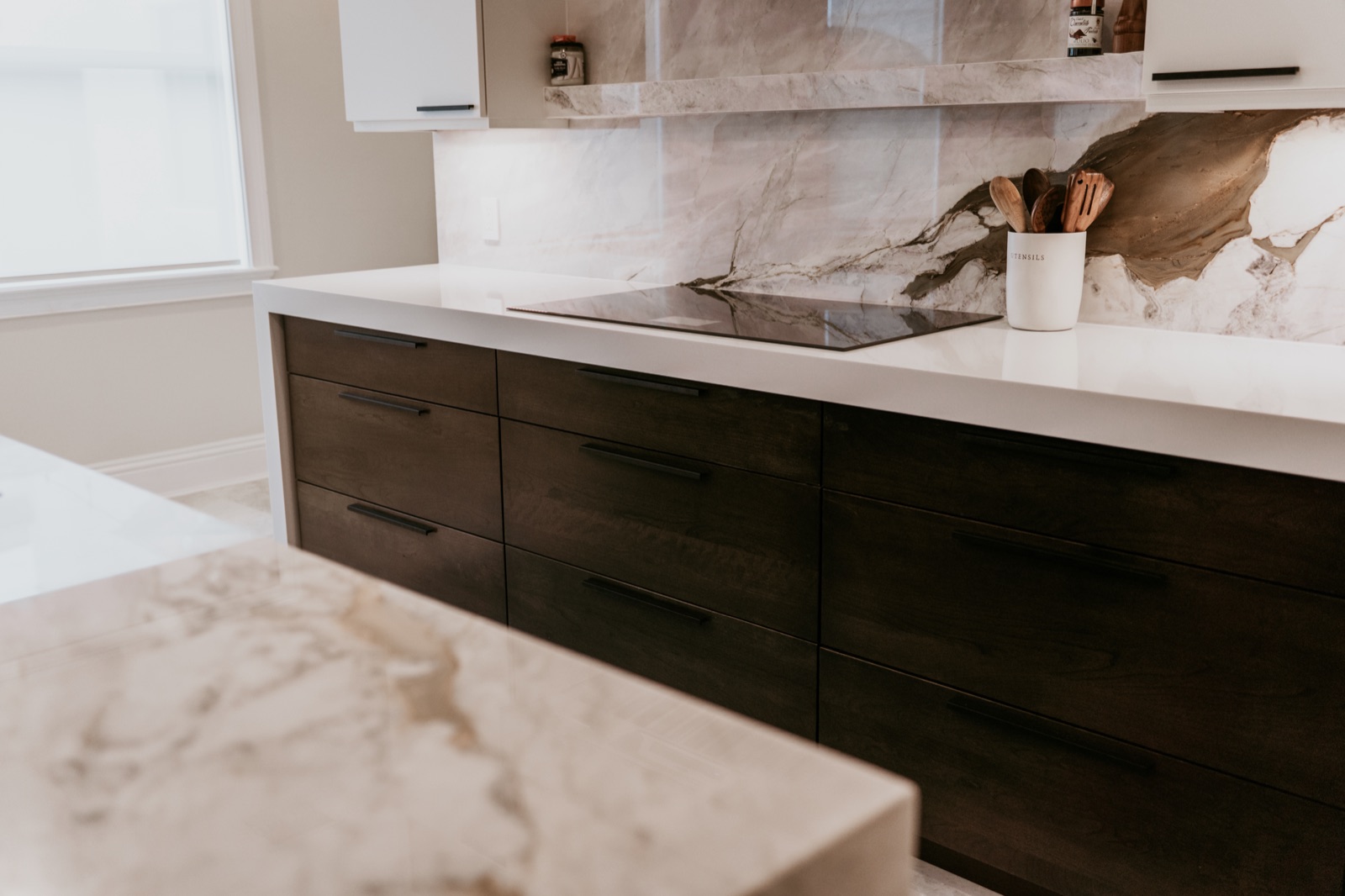
Rounded countertop edge profiles Fort Myers homeowners often choose for safety and comfort
Rounded edges are popular for good reasons. They soften the room, feel comfortable during daily use, and can be a smart fit for family kitchens.
Half bullnose
A half bullnose rounds the top edge while keeping the bottom edge more defined. This creates a softer face without becoming too traditional. It is often easier to pair with different cabinet styles than a full bullnose, and it can help minor drips roll off the top instead of sitting right on the edge.
Full bullnose
A full bullnose is rounded at both the top and bottom. This profile has a classic look and no hard front edge, which many homeowners like around breakfast bars and islands. The softer curve can reduce the sting of accidental bumps, which is useful in narrow work zones or homes with young children and older adults.
One tradeoff is maintenance. Because the edge curves under, spills can travel farther before they drip. That means you may need to wipe the underside more often, especially around seating areas where drinks are common.
Ogee edge
An ogee edge has an S-shaped curve and a more decorative appearance. It is often used in traditional kitchens, formal spaces, or islands meant to stand out. On natural stone, an ogee can look rich and detailed. On a simple slab with quiet veining, it may add just enough shape to keep the countertop from feeling flat.
Still, ornate profiles need more care. Flour, grease, and dust can settle into the curve, and a busy edge can compete with heavily patterned stone or detailed cabinet doors. If your kitchen already includes strong visual elements, a simpler edge may feel more balanced.
Bevel, mitered, and waterfall edges for stronger visual impact
Some edge profiles do less for softness and more for architecture. These options can make a countertop feel thicker, sharper, or more dramatic.
Beveled edge
A beveled edge cuts the top corner at an angle. That small line catches light and gives the countertop a more defined face. Bevels can suit contemporary and traditional kitchens, depending on how steep or subtle the cut is. They are often chosen when homeowners want more detail than an eased edge, but less ornament than an ogee.
Beveled edges still clean fairly well, though the angled cut can show dust and dried residue more than a rounded top.
Mitered edge
A mitered edge creates the look of a thicker slab by joining pieces at an angle, often at 45 degrees. This is common in modern kitchens where homeowners want a bold island or a substantial perimeter counter without using an unusually thick slab throughout.
This profile can look striking, but it depends on careful fabrication and material selection. Veining, pattern flow, and seam placement matter. On some quartz patterns, the edge can appear very consistent. On natural stone, alignment must be considered so the front face does not distract from the top surface.
Waterfall edge
A waterfall edge continues the countertop material vertically down the side of an island or cabinet run. Technically, it is more of a treatment than a simple front profile, but many homeowners compare it during the same design stage. It can make an island feel furniture-like or sculptural, especially in open-concept homes.
Waterfalls are often paired with eased or mitered top edges. They require attention to slab pattern direction, corner alignment, and protection in high-traffic areas. In seasonal homes, where the kitchen may sit unused for stretches, a waterfall can still be practical if the exposed side is not in a spot where chairs, luggage, or carts regularly strike it.
When planning a more custom kitchen, your countertop edge should work with door style, panel details, and island proportions. That is one reason many homeowners look at custom cabinetry options and countertops together.
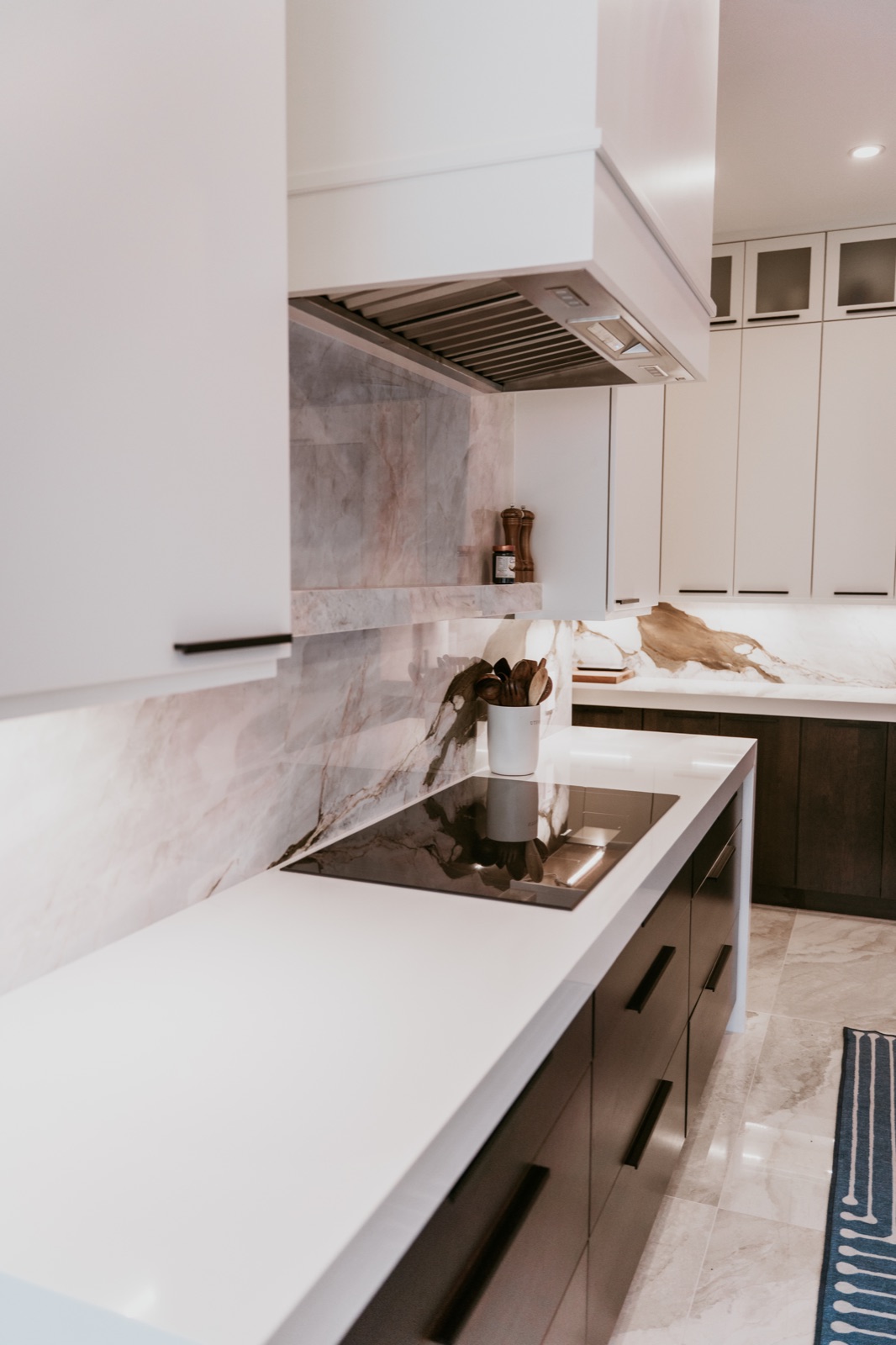
How edge profiles affect cleaning, chips, and everyday use in Fort Myers kitchens
Edge profile is not just a style choice. It changes how the countertop performs from breakfast through cleanup.
Cleaning and spill control
Simple edges are usually easier to maintain. Eased and pencil edges have fewer places for crumbs and oils to collect. Decorative curves, deep bevels, and layered profiles need more careful wiping, especially around cooktops and seating areas.
In Fort Myers, many kitchens open directly to lanais, pools, or patios. That can bring in more fine grit, salt residue, or humidity-related grime from frequent indoor-outdoor traffic. A straightforward edge profile makes routine cleanup faster.
Chip visibility
No countertop material is immune to impact damage, but edge shape affects how obvious chips look. Sharp, thin corners can show small damage more readily than slightly softened ones. This is especially true near sink corners, dishwasher landings, and island points where pots or stools may make contact.
If your kitchen is busy every day, a minimal softened edge is often a durable visual choice. It may not prevent damage, but it can make wear less noticeable.
Comfort at seating areas
If family members eat at the island often, comfort matters. A very crisp edge can feel hard against forearms. Rounded or lightly softened edges feel better during homework, laptop use, or long meals. This becomes more important on deep island overhangs where people rest their arms for longer periods.
Material changes the look of the same profile
An eased edge on quartz may look sleek and uniform. The same eased edge on granite may highlight color movement and natural variation. Marble, quartzite, and porcelain each present edges differently as well. Before approving a profile, it helps to view a sample with the actual material rather than choosing from a drawing alone.
For fabrication and care guidance on stone details, homeowners can review Natural Stone Institute technical resources. These references are useful when you want to understand edge finishing, seam considerations, and maintenance basics for natural stone surfaces.
Choosing an edge profile that matches your cabinets, slab, and remodel scope
The best edge profile usually feels consistent with the rest of the kitchen. It should not look like an afterthought.
Match the profile to the cabinet style
Shaker, slab-front, and simple panel cabinets usually pair well with eased, pencil, or restrained bevel edges. Raised-panel or more formal cabinet styles often handle ogee or fuller rounded edges better. If the cabinetry already has a lot of shape, adding a very ornate countertop edge can crowd the design.
Let the slab pattern guide the edge
Bold veining and high movement often stand out best with simpler edges. That keeps attention on the slab surface. More subtle materials can sometimes support a stronger edge profile because the detail adds interest without competing with the pattern.
Think about islands separately from perimeter counters
You do not always need one profile everywhere. Some kitchens use a more decorative island edge and a simpler perimeter edge. This approach can work well when the island is the focal point and the surrounding counters are more work-driven. The key is keeping the mix intentional, not random.
Consider the remodel sequence
If countertops are part of a broader renovation, edge decisions should happen after cabinet layout is stable but before fabrication. Overhang depth, sink placement, appliance clearances, and panel details all affect the final result. In slab-on-grade homes common across Southwest Florida, cabinet and floor conditions can also influence how countertops sit and how seams are planned, even though the edge profile itself may stay the same.
Homeowners comparing updates in the area can also look at broader Fort Myers remodeling services to see how countertops fit into the full project sequence, from layout planning through finish coordination.
Frequently asked questions about countertop edge profiles fort myers
Which countertop edge profile is easiest to keep clean?
Eased and pencil edges are usually the easiest to clean. They have soft, simple lines that wipe down quickly and do not trap as much dust, grease, or crumbs as decorative profiles. If your kitchen gets heavy daily use, especially around an island or cooktop, these profiles often offer the best balance of appearance and low maintenance.
Are rounded edges safer than square-looking edges?
Rounded edges like half bullnose and full bullnose can feel safer because they soften impact at corners and along seating areas. That can be helpful in homes with children or anyone prone to bumping into an island. A lightly eased edge is also a practical option when you want a clean look without a hard, sharp front corner.
Do fancy edge profiles make a kitchen look dated?
Not always, but they can if they fight the cabinet style or slab pattern. Ogee and heavier decorative edges usually fit better in traditional or formal kitchens. In many current Fort Myers remodels, homeowners prefer simpler edges because they work with more styles and keep the focus on the countertop material, backsplash, and overall layout.
Can I use one edge profile on the island and another on the perimeter?
Yes, that can work well when done with intention. A kitchen might use a simple eased edge on perimeter counters for easy cleaning, then a thicker mitered or more detailed edge on the island to create a focal point. The materials, cabinet design, and room style should still feel coordinated so the mix looks planned instead of mismatched.
Alliance Construction & Renovation helps homeowners compare countertop edge profiles fort myers options during kitchen updates and full remodels. If you are weighing eased, beveled, rounded, ogee, mitered, or waterfall details, call (239) 771-2855 or request an estimate.