
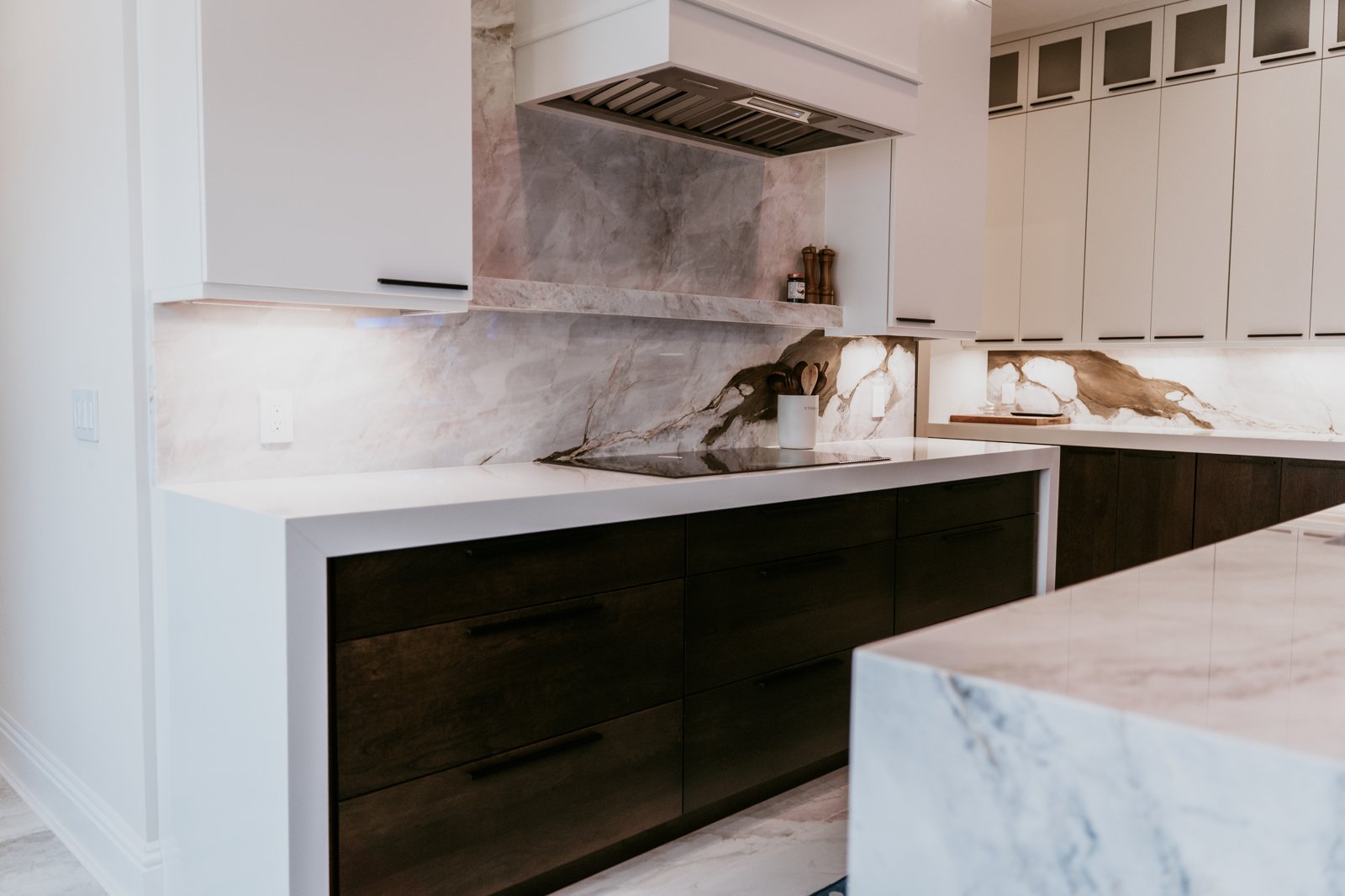
For Cape Coral homeowners, a backsplash is one of the most visible surfaces in a kitchen refresh. It sits at eye level, catches the light, and connects the cabinets with the counters. Alliance serves Cape Harbour, Burnt Store, and other Cape Coral neighborhoods, and the right material still needs to suit the specific kitchen, installation system, cleaning routine, and coastal exposure. Below are current design directions and the practical details to review before selecting one.
Why Coastal Conditions Affect the Selection
Product selection, substrate, installation, exposure, and maintenance affect tile performance in every climate; coastal humidity and salt exposure add considerations for some materials and joints. Review the tile, grout, stone, sealant, setting system, ventilation, and cleaning instructions together, with the goal of making maintenance and long-term appearance more predictable.
The backsplash also protects the wall behind your range and sink, the two spots that take the most abuse. A well-built one shrugs off grease, water, and the occasional pot that gets set down too hard. That protection is worth as much as the looks.
Zellige and Handmade-Look Tile
The biggest shift we have seen is the move toward zellige and handmade-look ceramic tile. These glazed tiles have subtle variation, a slightly uneven surface, and a depth of color that flat machine-made tile cannot match. In a Cape Coral kitchen flooded with afternoon light, that variation reads as warmth rather than imperfection.
Glazed ceramic tile can be easier to maintain than an unsealed porous surface, but performance varies by product, grout, installation, and exposure. Handmade-look tile also has intentional size and surface variation, so the installer should confirm the layout and joint width before setting the full wall.
Coastal Color Palettes That Last
Cape Coral homeowners tend to want a backsplash that feels like the water without turning the kitchen into a theme. The palettes we install most are soft sea-glass greens, warm sandy whites, and the muted blue-grays you see in the Gulf on an overcast morning. These tones bounce light around, which makes a kitchen feel larger and brighter.
We steer clients away from very dark, glossy backsplashes in rooms with big windows because they show every water spot and fingerprint under our intense sunlight. A satin or lightly textured finish hides daily wear far better and keeps the cleaning routine short.
Quartz and Porcelain Slab Backsplashes
A trend gaining real momentum is the full-height slab backsplash, where we run the same quartz or large-format porcelain from the counter all the way to the underside of the upper cabinets. There are no grout lines to scrub, which homeowners in our climate love, and the seamless look feels modern and calm. We see it most in kitchens where the client also wants a waterfall island.
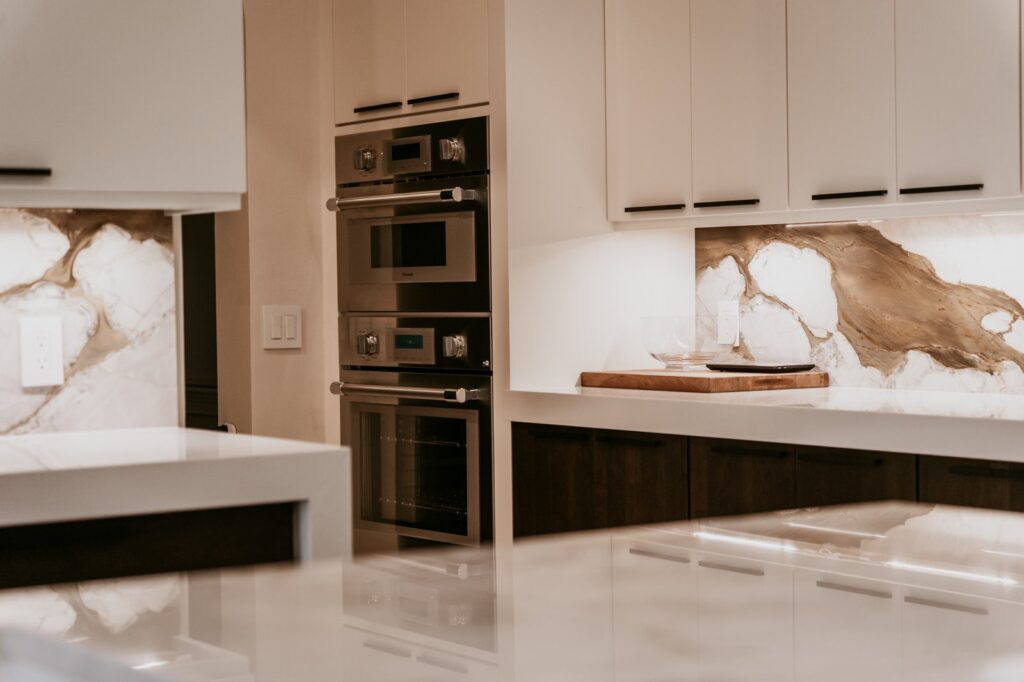
Slab work demands precise templating because a large piece must accommodate outlets, windows, and walls that may not be perfectly square. The fabricator and installer should confirm field measurements, cutouts, seam locations, substrate preparation, and dry fitting before final bonding.
Picket, Fish-Scale, and Other Coastal Shapes
Shape is doing a lot of the design work this year. Elongated picket tile and fish-scale mosaics give a clear nod to the water without leaning on literal nautical motifs. A fish-scale mosaic behind a range becomes a quiet focal point, while a vertical picket layout draws the eye up and makes a standard ceiling feel taller.
These patterns create more grout joints, so grout type, color, and manufacturer-approved maintenance deserve extra attention. Epoxy or another stain-resistant grout may be appropriate for some installations, but the tile, grout, substrate, and cleaning products must be compatible.
Grout, Sealing, and the Details That Decide Longevity
Grout selection, movement joints, substrate preparation, and sealing can all affect how a backsplash ages. Cementitious grout and natural stone may require sealing depending on the products used, while epoxy and other stain-resistant grouts have their own installation and care requirements. Follow the tile, grout, sealant, and setting-material manufacturers’ instructions as a system.
The transition where the backsplash meets the counter also deserves attention. A flexible, color-matched sealant joint specified for the installed materials can accommodate differential movement and reduce the chance of cracking. Joint design and sealant selection should follow the product and installation-system instructions.
Coordinating the Backsplash With Cabinets and Counters
A backsplash never lives alone. We always look at it next to the cabinet finish and countertop before a final selection. Warm white shaker cabinets pair beautifully with a soft green zellige and a light quartz top, while a darker island base can anchor a brighter backsplash above the perimeter run. Getting these three surfaces to talk to each other is where a remodel either feels cohesive or feels like a collection of parts.
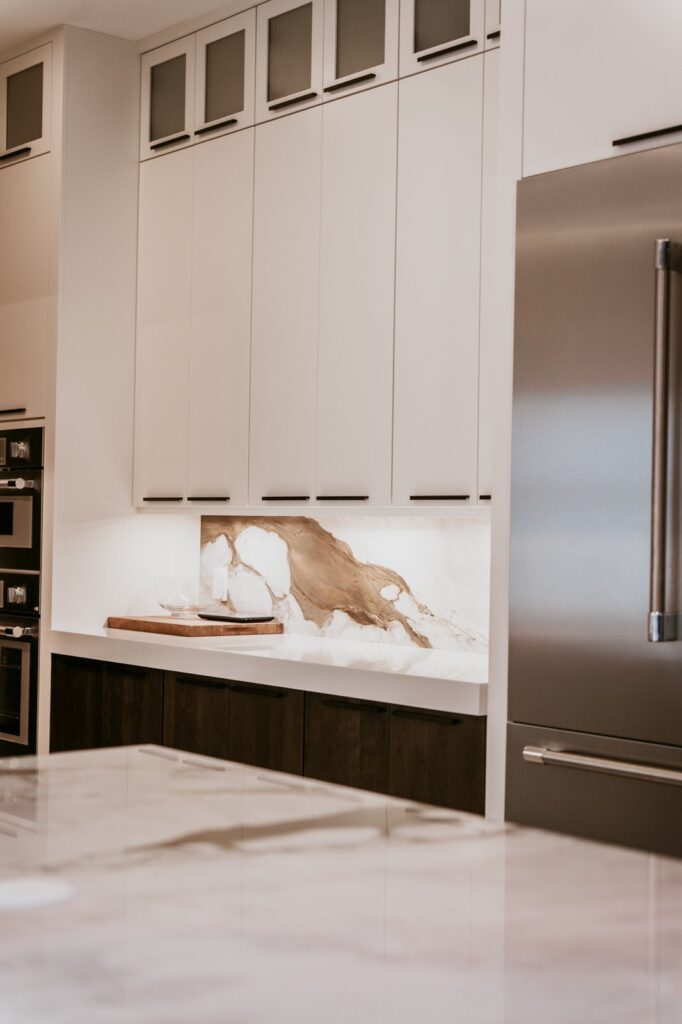
When we are also building or refacing the cabinets, we can fine-tune the upper cabinet height and the under-cabinet lighting so the backsplash is lit evenly. Good lighting brings out the variation in handmade tile and makes a slab look intentional rather than flat.
Planning Your Cape Coral Backsplash Project
The smoothest projects start with a clear sequence. We confirm the counter and cabinet selections first, then finalize the backsplash material, then schedule the install so tile goes in after the counters are set and before the final plumbing and electrical trim. Rushing that order is how outlets end up in awkward spots and grout lines land in the wrong place.
A backsplash refresh may take several working days, but demolition, wall repair, material layout, grout or sealant cure times, and product availability can change the schedule. The written project plan should identify when the sink, range, and surrounding work area will be unavailable.
For routine care, the ceramic tile cleaning guide from Why Tile recommends water for ordinary cleaning and a neutral or mild alkaline tile-and-grout cleaner when more cleaning power is needed. Always follow the installed tile and grout manufacturers’ care instructions.
Frequently Asked Questions
Will a glossy backsplash show water spots in our climate? Glossy surfaces do show spots and fingerprints more readily, especially in bright, window-heavy Cape Coral kitchens. We usually recommend a satin or lightly textured finish that hides daily wear and keeps cleaning quick.
Is natural stone a bad idea near the water? Not necessarily. Some porous natural-stone products and cementitious grouts may require sealing, while other products have different care needs. Follow the fabricator and product manufacturers’ instructions, and compare that maintenance with a porcelain alternative before deciding.
How do I keep grout from turning dark in the corners? Choose compatible grout and sealant, follow the manufacturers’ cleaning guidance, repair failed joints, and address persistent moisture. These details help manage staining and movement; grout and sealant do not make the wall assembly waterproof.
Can you match a new backsplash to cabinets we already have? Yes. We bring tile samples into your kitchen and view them against the existing cabinets and counters in your actual light before anything is ordered, so the final result feels intentional.
If you are weighing backsplash options for your home, our team is happy to walk your kitchen and talk through materials that suit your space and our coastal climate. Explore our approach to kitchen remodeling, see what we do for homeowners across Cape Coral remodeling projects, or ask about coordinating tile with new custom cabinetry. Call us at (239) 771-2855 to schedule a visit.