
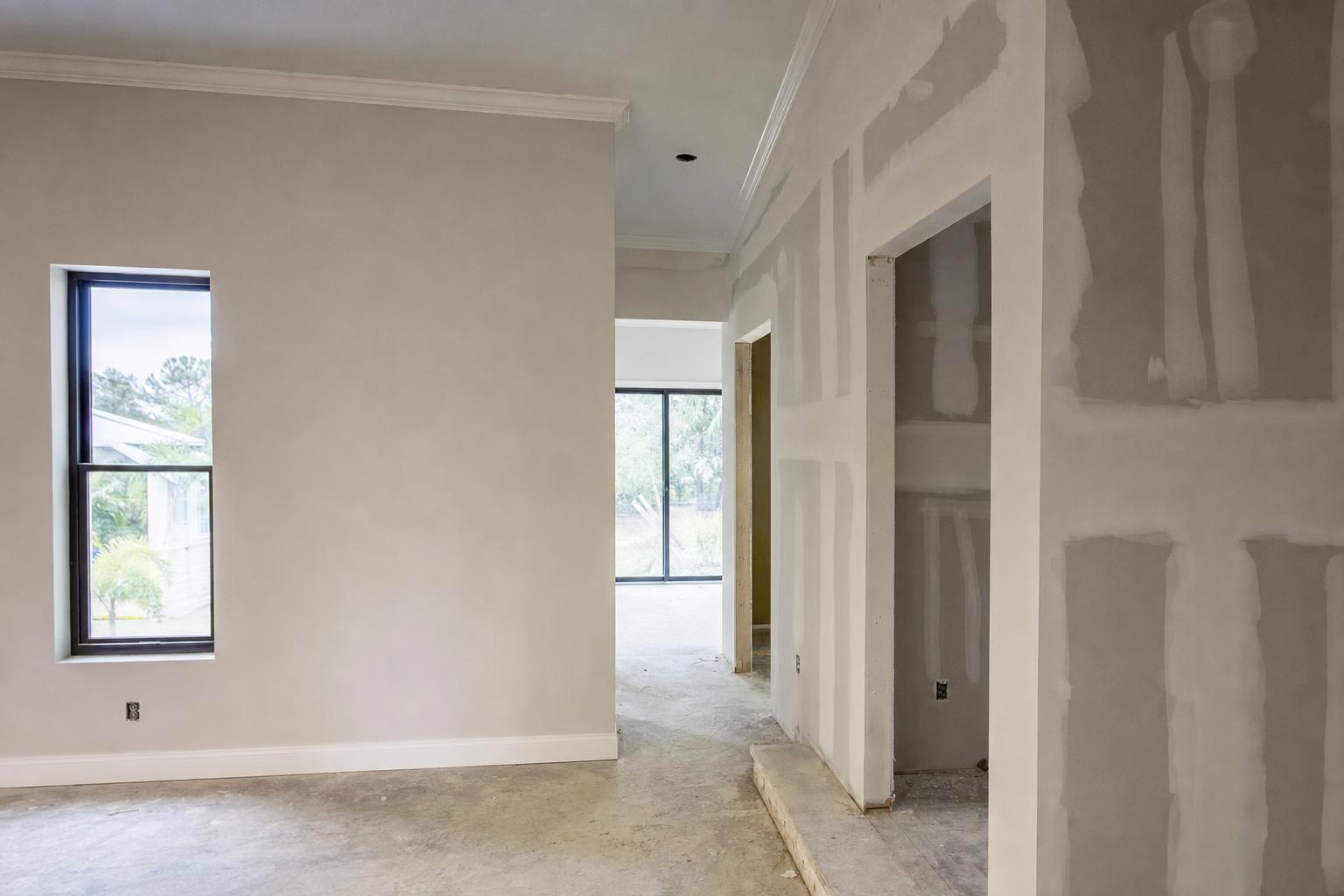
Choosing the correct drywall finish levels Fort Myers homeowners see in remodeling proposals can prevent a lot of frustration later. A wall that looks smooth in one room can show every seam and fastener in another once paint, sunlight, and overhead fixtures hit it. In Fort Myers remodels, drywall finish level affects how crisp your paint looks, how much prep your contractor includes, and whether the final surface fits the room. Before your project moves from framing to paint, it helps to know what Levels 0 through 5 mean, where each level is commonly used, and how to write the finish clearly into your scope.
What drywall finish levels mean in a Fort Myers remodel
Drywall finish levels are a standard way to describe how much taping, joint compound, sanding, and surface preparation a wall or ceiling will receive. They give homeowners, contractors, painters, and inspectors a shared language.
Level 0 through Level 2
Level 0 means the drywall is hung but not taped or finished. You may see this stage during construction before other trades complete rough work.
Level 1 includes embedded tape in joint compound, with excess compound wiped off. This is usually reserved for concealed areas such as above ceilings, in service spaces, or places not open to normal view.
Level 2 adds a thin coat of compound over joints, angles, and fasteners. This level is often used in garages, storage rooms, or areas that will receive tile or other heavy finishes.
Level 3 through Level 5
Level 3 includes additional compound over joints and fasteners. It is commonly used where a medium or heavy texture will be applied. If the final wall will have noticeable texture, Level 3 may be enough.
Level 4 is the standard most homeowners picture for painted interior walls. It includes more complete joint treatment and smoother sanding. This is common for flat paints and light textures in many living areas.
Level 5 goes a step further by adding a thin skim coat or equivalent treatment across the surface. This helps reduce visible joint lines and surface variations under critical lighting or higher-sheen paint.
The industry reference many contractors follow is the Gypsum Association finish-level guidance. That document explains the intended use of each level and why the final decoration matters.

How lighting and paint sheen change drywall finish levels Fort Myers homeowners should choose
A finish level is not only about the wall itself. It is also about how the wall will be seen after the remodel is complete. In Southwest Florida homes, strong sunlight can make small drywall flaws stand out, especially near large windows, sliders, and tall foyer walls.
Critical lighting makes imperfections easier to see
Critical lighting happens when light washes across the wall from the side instead of hitting it straight on. This often happens in Fort Myers homes with west-facing glass, open floor plans, or long hallways with recessed lighting. Under those conditions, even a decent Level 4 wall can show slight joint shadowing or sanding marks.
Ceilings are another trouble spot. A ceiling with several can lights, pendants, or a ceiling fan light kit may reveal seams more than the same finish on a bedroom wall.
Higher sheens reveal more
Flat paint hides more surface variation than eggshell, satin, semi-gloss, or gloss. If you want a more washable finish in kitchens, bathrooms, mudrooms, or kids’ spaces, your drywall prep may need to improve along with the paint sheen. This is one reason the painter and drywall finisher should not work from vague assumptions.
If you are planning smooth walls with satin or semi-gloss paint, especially in areas with strong daylight, ask whether Level 5 is a better fit. If you are using orange peel, knockdown, or another visible texture, Level 4 or even Level 3 may be suitable depending on the texture depth.
Where Level 5 often makes sense
Level 5 is often worth discussing for:
- Great rooms with large windows or pocketing sliders
- Long ceilings with recessed lights
- Smooth accent walls with darker paint colors
- Primary bathrooms with strong vanity lighting
- Open kitchens where wall surfaces stay visible from several angles
Not every room needs the highest finish. A practical remodel often mixes levels based on visibility, texture, and paint selection.
Matching finish levels to each room, ceiling, and texture choice
One of the most useful ways to control your remodel scope is to assign finish levels by room and by surface type. This keeps you from paying for premium finish work where it will not be noticed, while still protecting key spaces from disappointing results.
Smooth walls in main living areas
Living rooms, dining rooms, entryways, and open kitchen walls often look best at Level 4 or Level 5, depending on lighting and sheen. In many Fort Myers remodels, these are the areas with the biggest visual impact. If walls connect continuously across several spaces, changing finish quality from one section to another can become obvious after painting.
Textured walls and ceilings
If your remodel includes orange peel or knockdown texture, discuss that before the drywall proposal is finalized. A textured finish can help soften minor surface variation, but texture also needs consistency. Matching an existing texture during a partial remodel is often harder than homeowners expect.
On patch-and-repair jobs, the concern is not only finish level. It is blending old and new surfaces so the repaired section does not flash through the paint.
Garages, closets, and utility areas
These spaces may not need the same level of finish as highly visible rooms. Level 2 or Level 3 may be enough in some utility spaces, especially if the wall will be hidden by shelving or receive limited decoration. Still, if part of the garage is being converted to conditioned living space, that wall finish should be specified accordingly.
Ceilings deserve separate language
Do not assume the ceiling finish matches the wall finish. Ceilings often need a different specification because they catch light differently and are harder to repair invisibly. If you are remodeling a kitchen or removing soffits, write ceiling finish separately from wall finish in the scope.
When broader renovation work is involved, it helps to coordinate drywall expectations with your general contracting scope so framing, electrical, insulation, and paint all support the final look.
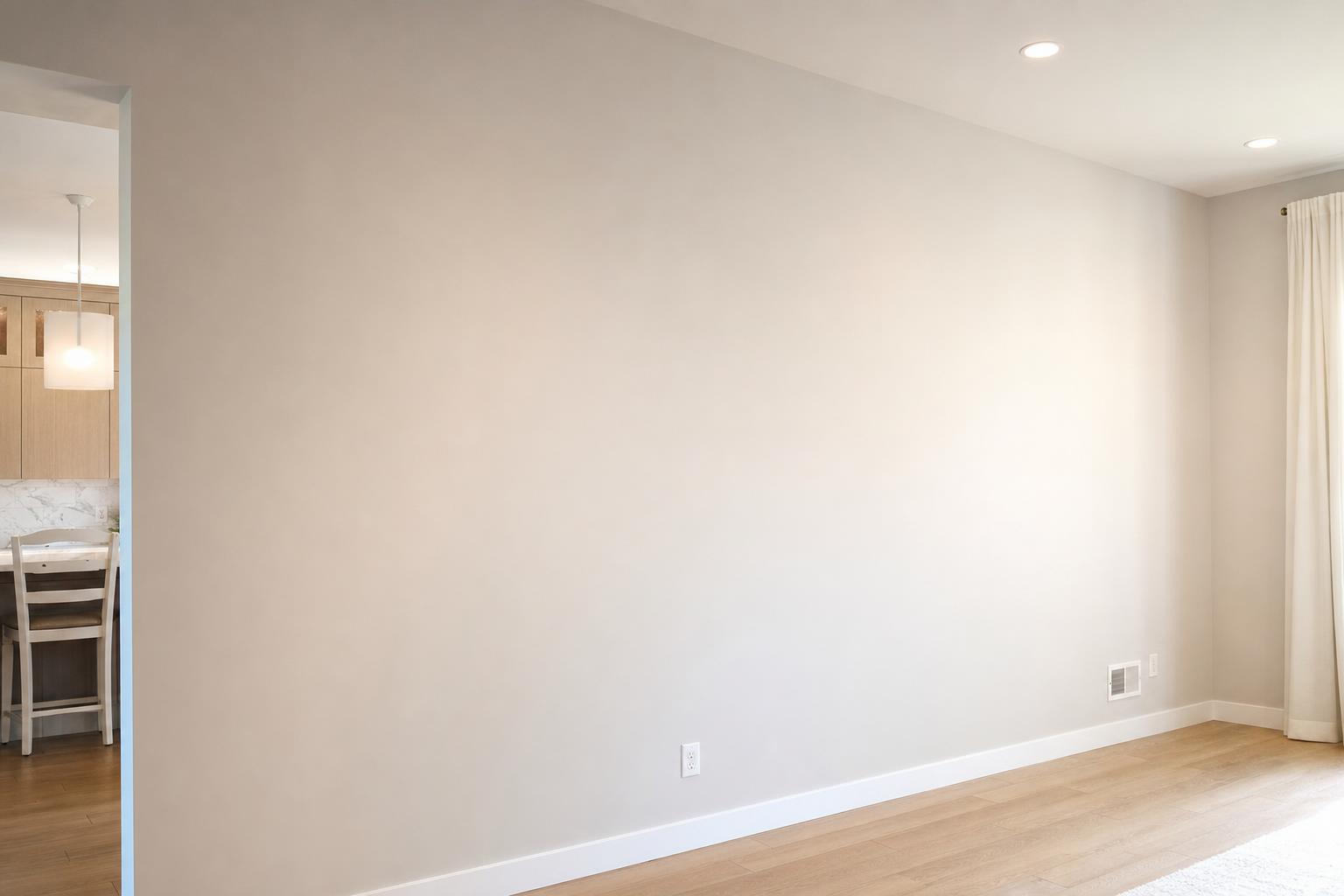
Repair work, humidity, and texture matching in Southwest Florida homes
Drywall finishing in an older home is different from finishing new board in a clean, empty room. Many Fort Myers remodels involve repairs after plumbing changes, kitchen updates, storm-related moisture issues, or ceiling cutouts from electrical work. In those cases, the real challenge is blending.
Patch areas usually need wider finishing
A small drywall opening rarely gets repaired only in the exact cutout area. The finisher often has to feather joint compound much wider so the patch disappears into the surrounding wall. This is especially true on smooth walls with side lighting.
Homeowners sometimes compare a patch price to the size of the hole, but the visible finish zone can be several times larger than the opening itself.
Humidity affects drying and scheduling
Southwest Florida humidity can slow compound drying, especially during the rainy season or in homes with limited air conditioning during a vacant period. That does not change the finish level standard, but it can affect the sequence of coats, sanding, and painting. Rushing a job before materials dry properly can lead to visible defects later.
If the home is seasonally occupied, let your contractor know who will control interior conditions during the work. Consistent indoor temperature and ventilation help achieve a more uniform finish.
Texture matching is part art, part process
If only one room or one wall is being remodeled, ask whether the contractor expects a close match or a full retexture of the affected surface. Existing orange peel, stomp, or knockdown patterns may vary due to age, previous repairs, or old application methods. A good scope should state whether the work includes spot matching, full-wall blending, or complete resurfacing.
For larger updates, such as combining rooms or reworking a kitchen layout, drywall and paint decisions are easier when they are coordinated early in the remodeling process in Fort Myers.
How to write drywall finish levels into your remodel scope
Many drywall disputes start with a simple problem: nobody defined the expected finish clearly enough before work began. A proposal that says “finish drywall and prepare for paint” leaves too much open to interpretation.
Specify the level by surface
Your scope should identify the finish level for each major area, such as:
- Kitchen walls: Level 4
- Kitchen ceiling: Level 5
- Guest bedroom walls: Level 4
- Garage walls: Level 2
- Laundry room with orange peel texture: Level 3 before texture
This language is much stronger than one blanket statement for the whole house.
Include paint and texture assumptions
Because final decoration affects the recommended level, your drywall scope should mention whether surfaces will be smooth or textured and what general paint sheen is expected. You do not need to choose every color on day one, but “smooth walls, flat paint” is different from “smooth walls, satin paint under recessed lighting.”
Clarify who handles primer, touch-up, and punch work
Drywall finishing and painting often overlap. Some contractors include primer before the final punch list because primer can reveal joint lines, pinholes, or sanding marks that are harder to see on bare compound. Make sure the scope states who is responsible for:
- Priming new drywall
- Touching up minor surface defects after primer
- Matching existing textures
- Protecting floors, cabinets, and adjacent finishes from dust
Ask for mockups in sensitive areas
If you are worried about one visible wall, a vaulted ceiling, or a patch next to a large window, ask about reviewing that area before final paint. A quick checkpoint can be more useful than arguing later after the room is furnished.
Drywall scope is also connected to final decorative work. If your project includes repainting, review the surface prep standards along with the finish level on the painting and finish services page so the wall build-up and the paint system are aligned.
Frequently asked questions about drywall finish levels
Is Level 4 good enough for most interior remodels in Fort Myers?
Yes, Level 4 is a common choice for many interior walls and ceilings, especially when using flat paint or light texture. Still, it is not automatically the best choice everywhere. Large windows, strong side lighting, dark paint, and smooth ceilings can make small surface variations easier to see, which is why some areas benefit from Level 5.
When should I ask for Level 5 instead of Level 4?
Ask about Level 5 when the surface will be smooth, highly visible, and exposed to critical lighting. This often includes open living spaces, ceilings with recessed lights, and walls with satin or semi-gloss paint. It can also be a smart choice for remodels where old and new drywall meet and visual consistency is a priority.
Can a contractor match my existing wall texture exactly?
An exact match is not always realistic, especially in older homes with patched, repainted, or sun-aged surfaces. A skilled finisher can often achieve a close visual match, but the scope should state whether the goal is spot blending, full-wall blending, or retexturing the entire surface. That avoids confusion once paint is applied.
Does new drywall always need a permit in a remodel?
Not always. Drywall itself may be part of a larger permitted remodel, especially when walls are moved or plumbing, electrical, or structural work is involved. In Fort Myers area projects, the permit question usually follows the overall scope rather than the finish level alone. It is smart to clarify permit responsibility before work starts.
Alliance Construction & Renovation helps homeowners sort through drywall finish levels Fort Myers remodels often require, from straightforward repairs to full-room renovations. If you want a clearer scope for walls, ceilings, texture, and paint prep, call (239) 771-2855 or request an estimate. Contractor License: CBC1268590.