
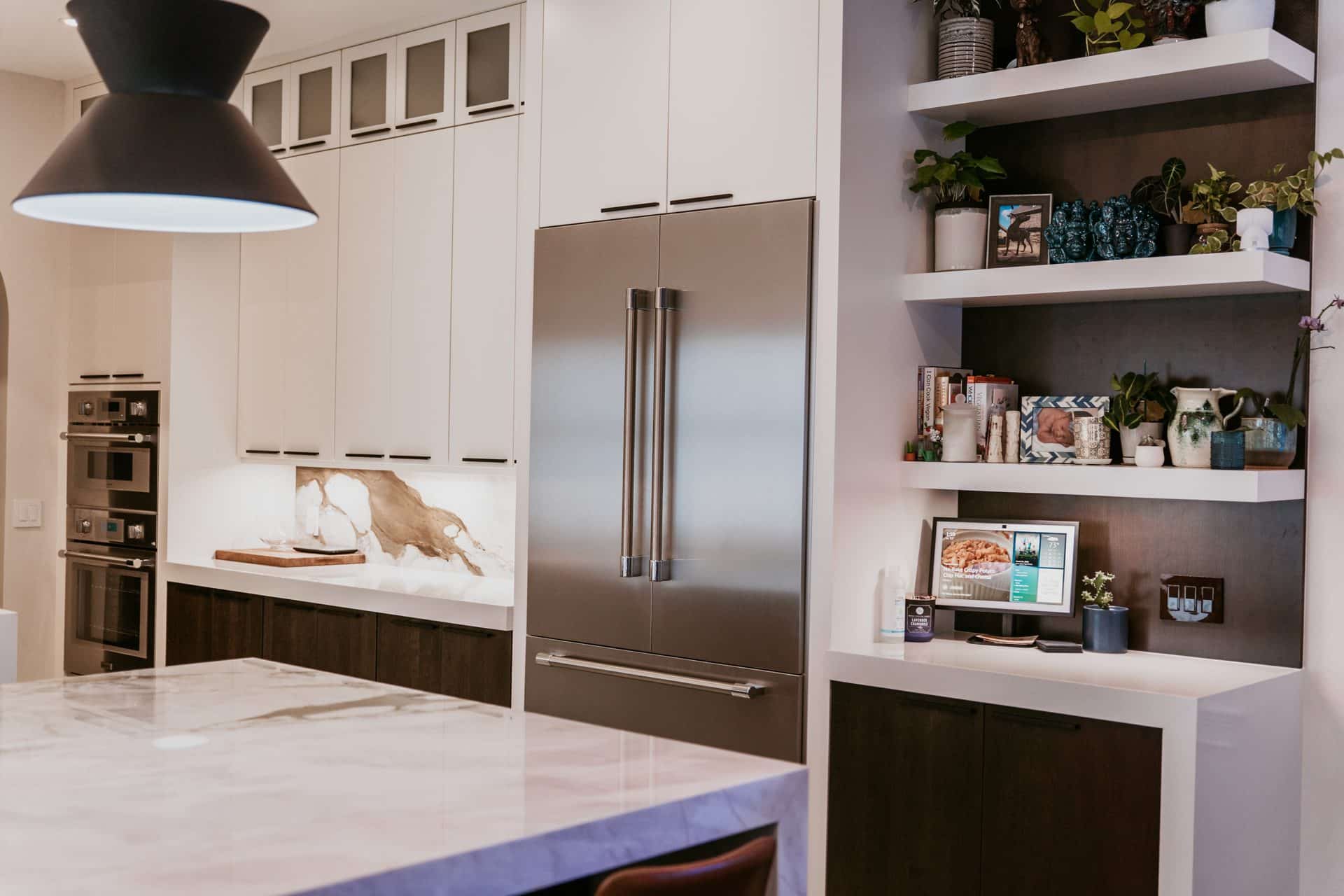
Choosing between floating kitchen shelves vs upper cabinets can change how your whole kitchen feels and functions. In Southwest Florida homes, this is not just a style choice. It affects daily cleanup, storage habits, and how open the room looks in natural light. Some homeowners love the airy look of shelves near a backsplash or window. Others want doors that hide cups, spices, and the random items that collect over time. If you are planning a kitchen update in Fort Myers, Naples, Cape Coral, Estero, Bonita Springs, Punta Gorda, or North Fort Myers, it helps to sort out display space from working storage before you finalize the layout.
How floating kitchen shelves vs upper cabinets changes daily use
The biggest difference is what you see every day. Floating shelves keep your kitchen more open, but they also keep your dishes, glasses, and pantry items visible. Upper cabinets hide visual clutter and give you more room to store mixed items without arranging everything neatly.
What shelves do well
Floating shelves work best when you use them for items that already look tidy. Think stacked white plates, matching bowls, a few glass jars, or everyday mugs. If you like quick access, shelves can make morning coffee or setting the table feel easier. They also keep a kitchen from feeling boxed in, especially if a wall of cabinetry would make the room feel heavy.
What upper cabinets do well
Upper cabinets are usually better for the items you use, but do not want on display. Plastic containers, travel cups, medicine, kids’ snack bins, small appliances, and random serving pieces all disappear behind doors. That can make the room look calmer even when life is busy.
Think about your real habits, not the photo version
If you enjoy styling and do not mind putting things back neatly, shelves may stay attractive. If your kitchen is the main drop zone for family life, cabinet doors can make cleanup faster. For many households, the best answer is not all one or all the other. It is deciding which items deserve open access and which ones are better hidden.
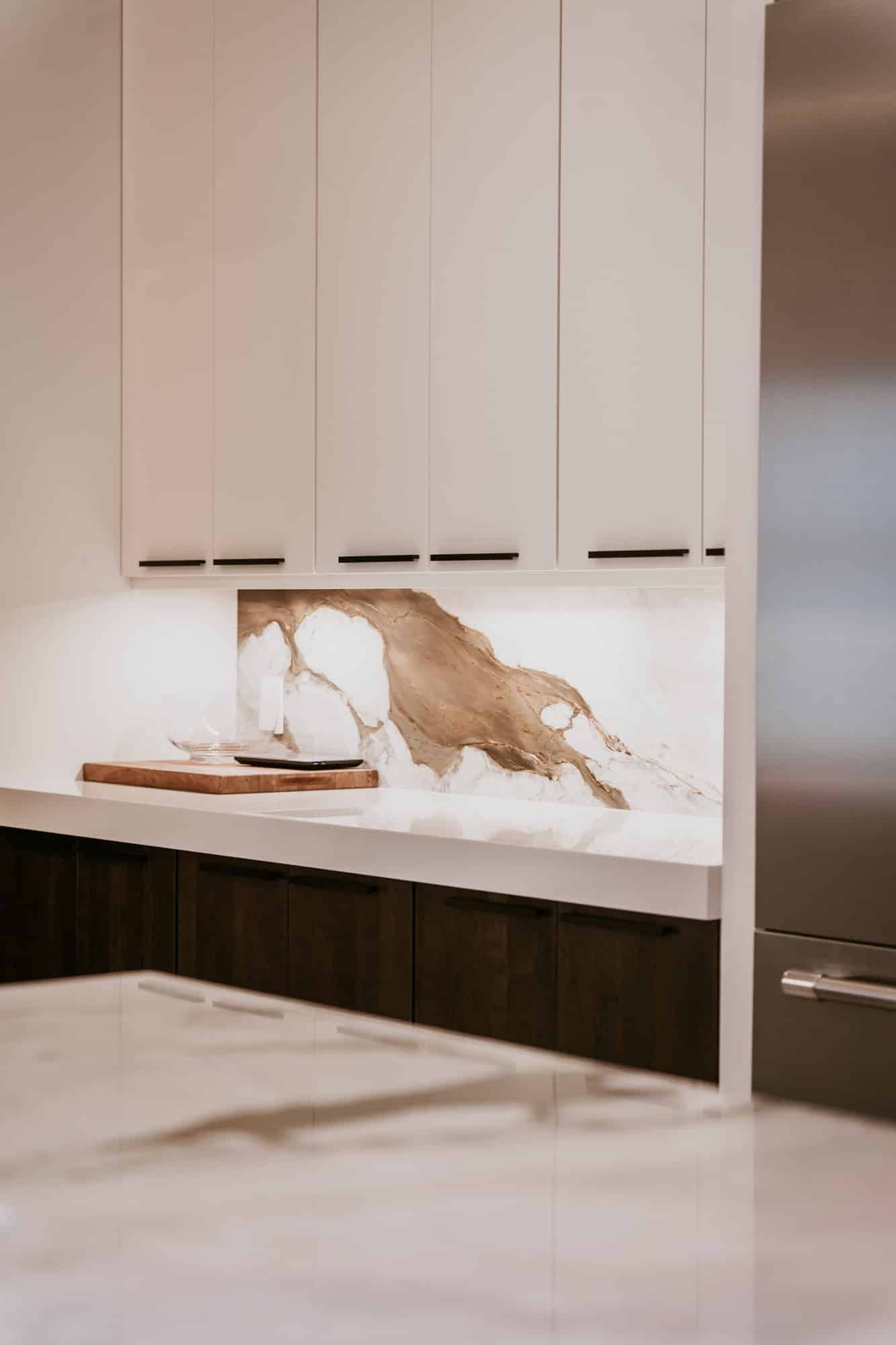
Cleaning, dust, and cooking residue in Southwest Florida kitchens
Open shelving looks simple, but it asks more from you after the remodel is done. In a working kitchen, dust settles. Grease can travel. Fine residue from cooking can land on any exposed surface, especially near the range.
Floating shelves need active upkeep
Every shelf surface is exposed, including the top of the shelf, the underside, and every item sitting on it. That means plates, glassware, and decorative pieces may need regular wiping even if they are not used every day. In Southwest Florida, humidity can also make dusty surfaces feel a little grimy faster, especially in homes that sit closed up part of the year.
Upper cabinets protect more of what you store
Cabinets are not maintenance-free, but they shield contents from most airborne grease and dust. Door fronts still need cleaning, yet the dishes inside usually stay cleaner longer. For homeowners who cook often, this can be a major practical advantage.
Where open shelving is easier to manage
Shelves tend to work better away from the main cooking zone. A coffee station, bar area, or wall used for everyday dishes is easier to maintain than shelves packed close to a busy cooktop. If you want open storage, placing it where heat and grease are lower often keeps it looking better with less effort.
During a kitchen remodeling project, this is one of the most useful conversations to have early. A layout can support the look you want, but the storage plan should still fit how you cook and clean.
Storage capacity, reach, and what should stay behind doors
When homeowners compare shelves and cabinets, they often focus on appearance first. Storage comes next, and that is where many decisions become clearer.
Cabinets usually hold more mixed-use storage
Upper cabinets make better use of wall space because they enclose the full volume. You can group taller items, stack less attractive dishware, and use the interior without worrying about the room looking messy. This matters in kitchens without a large pantry or in homes where seasonal entertaining dishes need a place to go.
Shelves work best for edited storage
Floating shelves encourage restraint. That can be a benefit if you want a cleaner kitchen and only keep your favorites within reach. But it does mean editing what stays out. If you rely on a lot of mismatched containers, backup dishes, or overflow pantry items, shelves alone may not be enough.
Reach and convenience should guide placement
Whether you choose shelves or cabinets, think about what you grab most often. Everyday plates and glasses are good candidates for accessible storage. Heavy mixing bowls, bulk goods, and awkward appliances are usually better elsewhere. The easiest kitchen to use is one where the most common items have a clear home and do not require constant reshuffling.
If storage is tight, custom design can help you balance looks and function. Well-planned custom cabinetry can include a mix of concealed storage and open display without wasting wall space.
How to mix shelves and upper cabinets without making the kitchen feel unfinished
A blended approach often works best. You do not have to choose one system for the entire room. In fact, many of the strongest kitchen layouts use both.
Use cabinets where the kitchen works hardest
Near the range, sink, and food prep zones, upper cabinets often earn their place. These areas collect the most visual clutter and usually need the most practical storage. Doors help the kitchen stay orderly even on busy days.
Use shelves where you want breathing room
Floating shelves can soften a run of cabinets or open up a small section of wall. They are especially useful where a full upper cabinet might feel bulky, such as beside a window, above a beverage station, or on a short wall where display storage is enough.
Visual balance matters more than copying a trend
Open shelving can reduce the visual weight of a kitchen, which is helpful if you are using darker cabinetry or want a more open feel. One design source, Fabuwood floating shelf design examples, notes that open shelving can help balance heavier-looking dark cabinets. That idea can be useful, but the better test is whether your actual kitchen still has enough hidden storage once the shelves go in.
A mixed layout also works well for seasonal residents in Southwest Florida. If the home sits vacant part of the year, it may be better to keep most stored items behind doors and reserve open shelving for a smaller, easier-to-maintain display area.
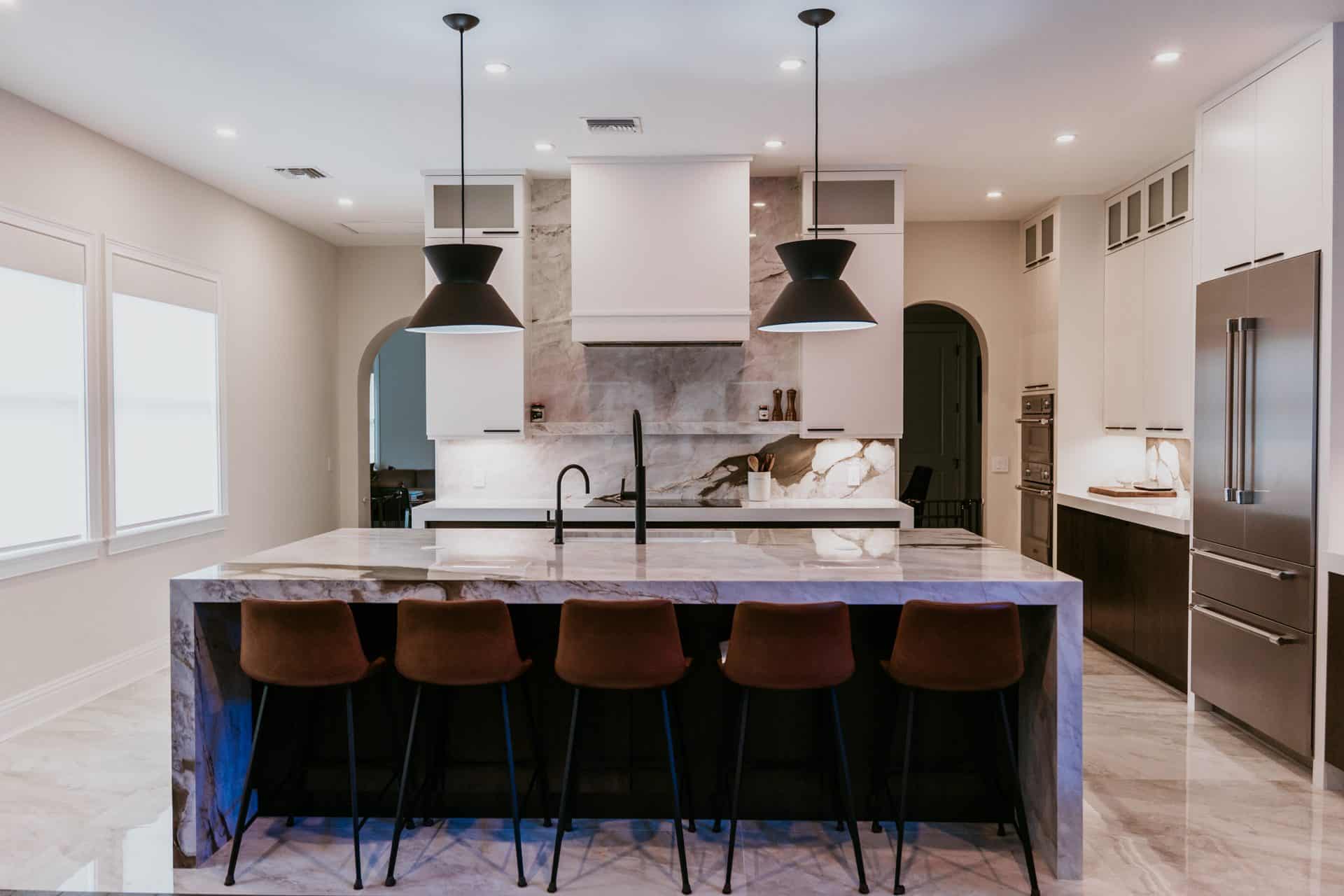
Mounting, wall conditions, and remodeling details homeowners should discuss early
Floating shelves look clean because the support is hidden or minimized. That clean look depends on good planning behind the wall finish. This is not the place for guesswork.
Shelf support should be confirmed before finishes are finalized
Different shelf styles use different mounting methods. Some require strong anchoring at specific points in the wall. Others need backing planned during the remodel so the shelf can support the intended use. If you want to store dishes, glassware, or heavier serving pieces, bring that up before tile, drywall repair, or cabinet installation is complete.
Backsplash and outlet locations can affect shelf placement
Shelves often cross areas where outlets, switches, or a full-height backsplash are part of the design. That means spacing should be coordinated so shelves do not crowd electrical devices or create awkward gaps. In a remodel, it is easier to resolve these details on paper than after finishes are installed.
Slab homes and wall layout still matter
Many Southwest Florida homes are built on slab foundations, so kitchen rework often focuses on walls, openings, and interior layout rather than major structural changes below the floor. That makes wall planning even more important. If floating shelves are part of the design, their support and location need to be considered as part of the whole wall composition, not treated like an afterthought.
Permitting and coordination are part of the bigger picture
Not every storage choice changes permitting, but a kitchen remodel can involve several linked decisions, such as electrical updates, new finishes, appliance placement, and wall modifications. When shelves and cabinetry are selected early, the work can be coordinated more smoothly with the rest of the project.
If you are comparing layouts and want input on how they would function in your space, you can request an estimate and talk through storage, wall use, and finish coordination before selections are finalized.
Choosing the better option for your Fort Myers area kitchen
The better choice is the one that fits how you live after the remodel is done. Style photos are helpful, but your own inventory and habits should lead the decision.
Floating shelves are often a good fit if you:
Use a smaller set of everyday dishes, like a lighter look, and are comfortable keeping displayed items neat. They can also work well if your kitchen already has enough pantry and base storage, so wall storage does not have to carry the full load.
Upper cabinets are often a good fit if you:
Want maximum concealed storage, cook frequently, dislike dusting display items, or prefer a more forgiving kitchen that looks tidy with less effort. They are usually the safer choice for households with many mixed-use items.
A combination is often the strongest long-term answer if you:
Want the openness of shelves without giving up too much hidden storage. One or two carefully placed shelf sections can create visual relief while cabinets handle the rest of the work. This approach often ages better than removing most of the uppers just for a trend.
In Fort Myers area homes, natural light can make open shelving look bright and appealing, but the daily reality still comes down to function. Before you remove wall cabinets, sort what you truly use every week, what you want seen, and what you would rather hide. That simple exercise usually points you toward the better layout.
Frequently asked questions about floating kitchen shelves vs upper cabinets
Are floating shelves a bad idea in a busy family kitchen?
Not necessarily, but they usually work better in smaller doses. A busy kitchen often collects cups, snack items, containers, and everyday clutter quickly. If everything is visible, the room can look messy faster. Many families do better with a mix: cabinets for high-volume storage and a limited shelf area for attractive, frequently used items.
Do upper cabinets make a small kitchen feel closed in?
They can if the layout is too heavy, but that is not always the case. Door style, color, lighting, and spacing all affect how the room feels. Sometimes a full run of thoughtfully designed uppers looks cleaner and calmer than open shelves crowded with dishes. A partial shelf section can lighten the look without giving up too much storage.
Where should floating shelves go if I want both options?
Good locations include a coffee station, a short wall near a window, or an area away from the main cooking mess. Everyday dish storage can also work if the shelves are easy to reach and simple to maintain. Most homeowners are happier when shelves are used as a feature, not as the only wall storage in the kitchen.
Can floating shelves hold everyday dishes safely?
They can, but the support method and wall preparation should match the intended use. That is why shelf style and placement should be discussed early in the remodel. If you expect the shelves to carry plates, bowls, or glassware, the installer should know that before finish materials and final wall details are completed.
Alliance Construction & Renovation helps homeowners compare floating kitchen shelves vs upper cabinets with a practical eye on storage, upkeep, and layout. If you are planning a kitchen update in Southwest Florida, Call (239) 771-2855 or request an estimate. CBC1268590.