
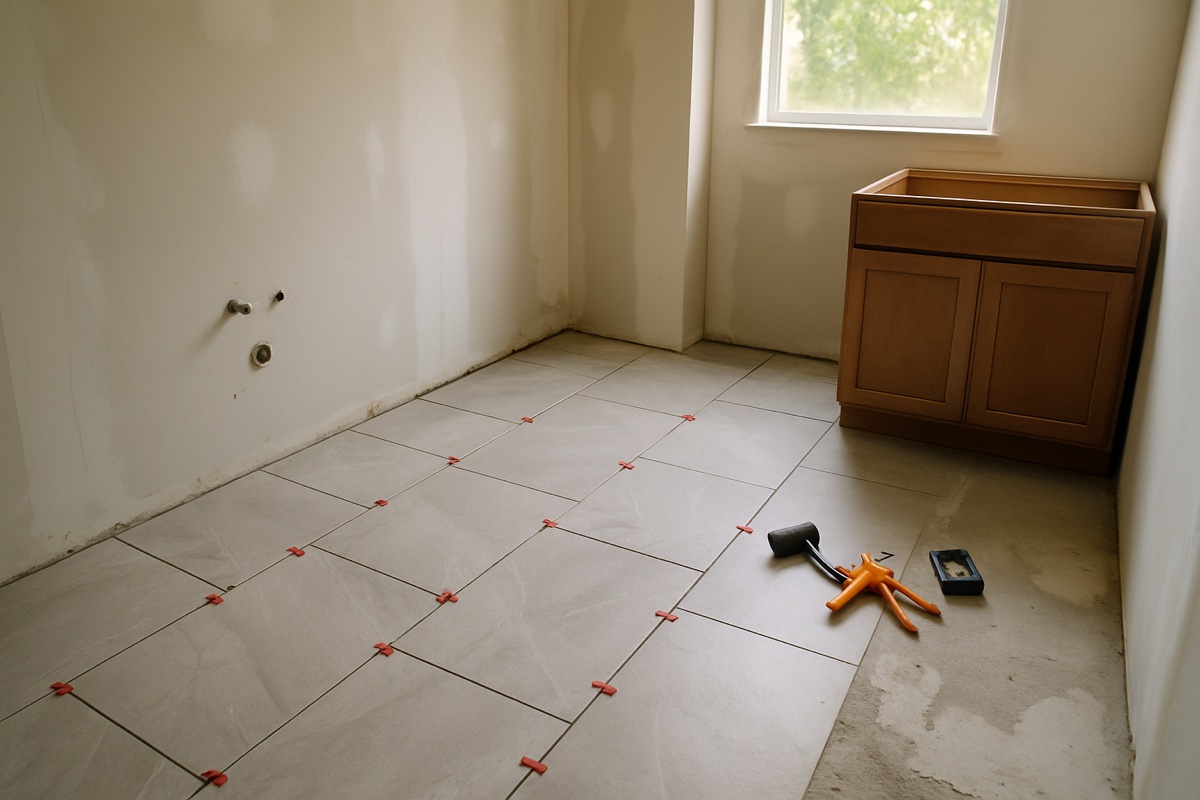
Understanding the cape coral bathroom remodel timeline before demolition begins can mean the difference between a smooth project and weeks of unexpected disruption. Cape Coral’s slab-on-grade construction, year-round humidity above 70%, and proximity to brackish water create conditions that no mainland renovation guide fully addresses. Whether you’re updating a single guest bath in a mid-century concrete-block home or gutting a primary suite in a newer canal-front property, each phase carries its own permit requirements, material lead times, and trade coordination. This guide walks you through every stage (demo through final inspection) so you can set a realistic schedule, ask the right questions, and avoid the surprises that push budgets off track.
What Drives the Cape Coral Bathroom Remodel Timeline Before a Single Tile Is Set
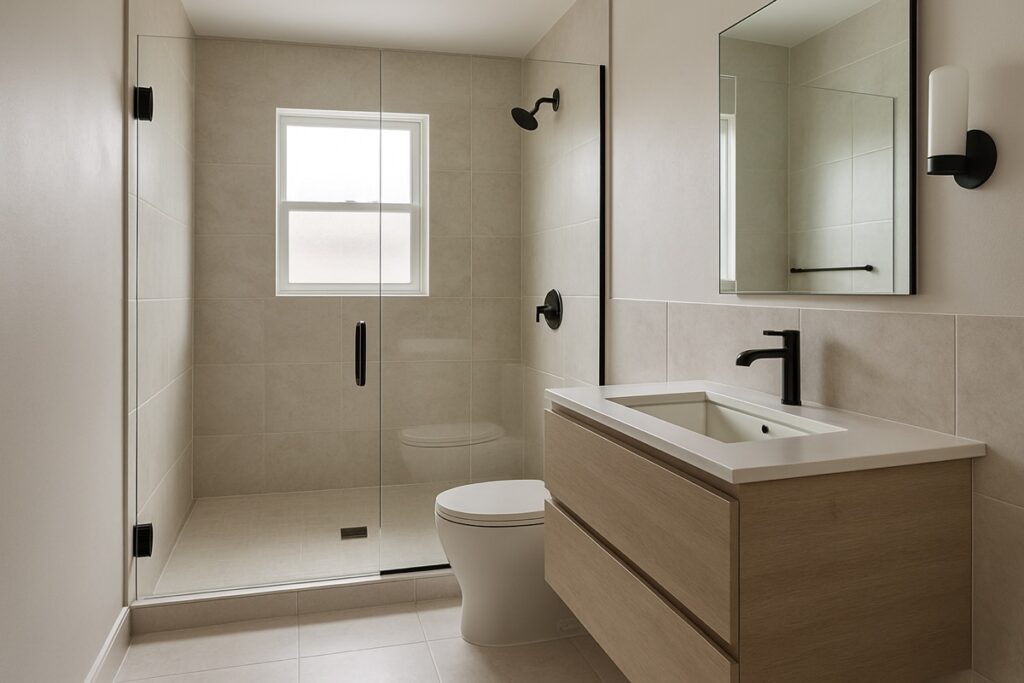
Most homeowners assume the clock starts when a sledgehammer hits drywall. In Cape Coral, it starts at the permit counter. Lee County requires a building permit for any bathroom remodel that involves moving plumbing, relocating electrical circuits, or altering structural elements. Permit review typically runs 10–21 business days for a residential bathroom, depending on plan complexity and current department workload. If your project touches a load-bearing wall (common in older CBS homes built in the 1960s and 1970s) structural drawings stamped by a Florida-licensed engineer are required, adding another 5–10 days to the review cycle.
Pre-permit work includes a detailed scope of work, plumbing riser diagrams if you’re adding a fixture, and an electrical panel schedule if a new GFCI circuit is required. A licensed Florida general contractor handles this documentation as part of normal project setup, but the timeline is real and non-negotiable. Trying to start work before permits are in hand exposes you to stop-work orders and double-fee penalties from Lee County Community Development.
Material lead times layer on top of permit timing. Semi-custom vanity cabinets run 3–6 weeks from order to delivery. Large-format porcelain tile (24×48 or 48×48) is often a special order with a 4–8 week lead time. Scheduling these orders during the permit review window prevents a project from sitting idle after demo. A well-run bathroom remodeling process sequences procurement and permitting so your materials arrive just as the rough-in work wraps up.

Demo and Rough-In: The Phase That Reveals What the Walls Are Hiding
Demolition in a Cape Coral bathroom typically takes one to two days for a standard 50–80 square foot space. The work involves removing existing tile, drywall or cement board, vanity cabinets, fixtures, and flooring down to the slab. Here is where Cape Coral’s slab-on-grade construction introduces a complication you won’t find in crawl-space markets: all supply lines and drain lines are embedded in (or running beneath) the concrete slab.
If your remodel involves moving a toilet, adding a curbless shower, or relocating the vanity drain, a concrete saw cut is required. Saw cutting and re-routing underslab plumbing adds $1,200–$3,500 to a project depending on how many lines move and how much slab must be removed and patched. This is not an optional cost; it’s a code-required reconfiguration, and the open trench requires a rough plumbing inspection before concrete is poured back.
Once plumbing rough-in passes inspection, the electrical rough-in follows: a dedicated 20-amp GFCI circuit for outlets within 6 feet of water sources, exhaust fan wiring, and any recessed lighting circuits. current Florida Building Code and the National Electrical Code require arc-fault protection on bathroom branch circuits in newer construction; retrofitting this in older Cape Coral homes occasionally requires a panel upgrade if spare breaker slots are unavailable.
Rough-in inspections (plumbing and electrical) must pass before any walls are closed. Plan for 3–7 business days to schedule these inspections after calling them in. Walls close with moisture-resistant cement board or equivalent backer in wet zones; standard drywall is never acceptable behind a shower or tub surround in Southwest Florida’s humidity environment.
Waterproofing and Tile: The Stage That Determines Long-Term Performance
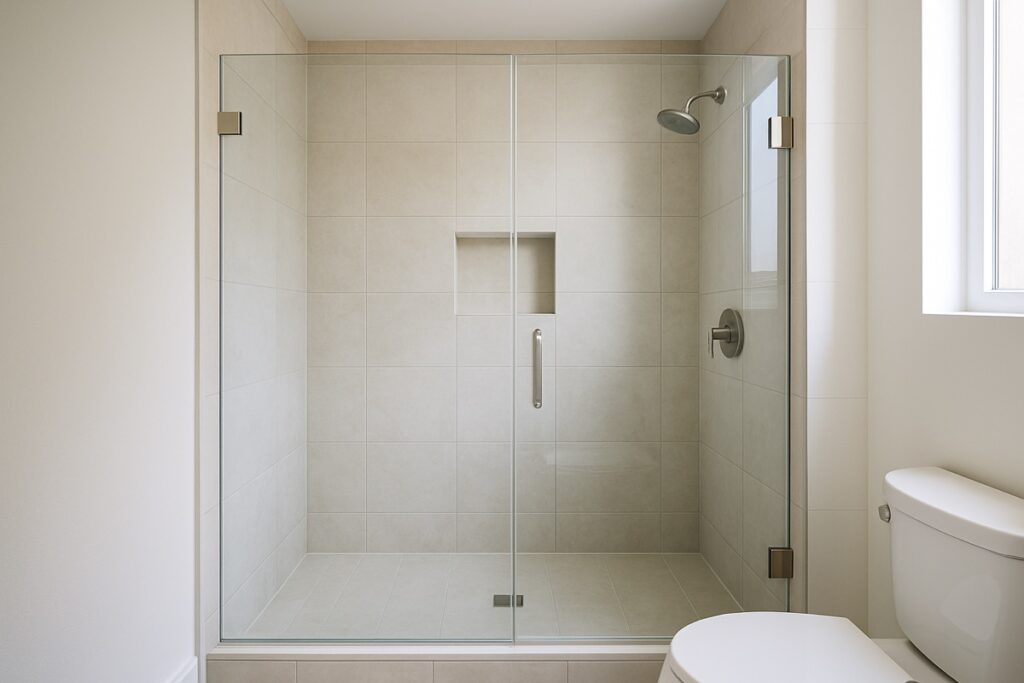
After rough-in inspections clear, waterproofing goes in before a single tile is set. In a Florida bathroom, this step is not a shortcut zone. A failed shower pan membrane in Cape Coral’s climate leads to mold colonization inside wall cavities within weeks; not months. Properly applied sheet membrane or liquid-applied waterproofing systems (such as Schluter Kerdi or a two-coat RedGard system) must cure fully before tile installation begins, typically requiring 24–48 hours depending on product and ambient humidity.
Tile selection for a Cape Coral bathroom should account for more than aesthetics. Porcelain tile with a PEI rating of 4 or higher handles foot traffic on shower floors without glazing wear. Large-format porcelain (24×24 and larger) is popular in current renovations because it minimizes grout lines and reduces moisture infiltration points: a real advantage in a humid coastal environment. Shellstone and travertine pavers are beautiful but require consistent sealing in high-humidity bathrooms; many homeowners are now choosing porcelain that replicates the natural stone look without the maintenance commitment.
Wall tile installation in a standard primary bath shower runs 3–5 days for a skilled installer working in a 60–80 square foot wet area, accounting for layout planning, back-buttering, leveling, and grout. Rectified large-format tile demands tighter subfloor flatness tolerances: any low spots in the slab must be filled with self-leveling compound before installation begins. Grouting and sealing follow tile set time, adding another full day. Total waterproofing-through-tile completion: roughly 7–12 days for a full primary bath remodel.
Choosing Grout and Caulk for a Coastal Environment
In Cape Coral, where bathrooms run air conditioning year-round and experience significant temperature differentials between tile and ambient air, grout joint movement is real. Epoxy grout is highly stain-resistant and performs well in wet zones, though it is less forgiving to install and costs more than cement-based grout. All change-of-plane joints (floor-to-wall, wall-to-wall corners) should be caulked rather than grouted: caulk flexes with movement cycles that crack rigid grout over time.
Shower Glass and Enclosures
Frameless glass enclosures are the dominant finish choice in current Cape Coral remodels. Within 5 miles of the coast, hardware should be marine-grade stainless or solid brass with a protective coating: standard chrome-plated zinc hardware corrodes visibly within 12–18 months in salt-air exposure zones. Tempered safety glass at a minimum of 3/8-inch thickness is required by Florida Building Code for enclosures; 1/2-inch glass is noticeably more rigid and is the preferred spec for a frameless door over 36 inches wide.
Vanity, Fixtures, and Finishes: Coordinating the Final Installations
Once tile is complete and inspected, finish work begins. Vanity installation involves setting the cabinet, templating and installing the countertop, plumbing connections, and mirror or medicine cabinet mounting. Quartz countertops are the dominant choice in current Cape Coral remodels; they are non-porous, require no sealing, and perform consistently in humid conditions. Granite remains popular and performs well if sealed annually. Porcelain slab countertops are gaining traction as a zero-maintenance alternative with a thinner profile.
Fixture installation (faucets, shower valve trim, towel bars, toilet, and exhaust fan) typically takes one full day for a licensed plumber working on a standard primary bath. Coordinate lighting installation with your electrician on the same day to avoid a second mobilization charge. Recessed LED fixtures rated for damp or wet locations (depending on placement relative to the shower) are required by code; a common spec mistake is installing standard recessed cans in a zone that requires a wet-rated fixture.
Exhaust fan sizing matters more than most homeowners realize. In a Southwest Florida bathroom, an undersized fan allows humidity to linger, promoting mildew on grout and caulk lines within months. The HVI recommends one CFM per square foot of bathroom floor area at minimum; for a 70-square-foot bath, a 70–80 CFM fan is the floor, not the ceiling. Humidity-sensing fans that run until relative humidity drops to a set point are a practical upgrade in a region where showers add significant moisture load even with air conditioning running.
For homeowners interested in understanding the full scope of what a Cape Coral renovation can involve beyond the bathroom, our Cape Coral remodeling services page outlines how bathroom work often connects to adjacent kitchen, flooring, and whole-home improvement projects.
Final Inspection, Punch List, and Realistic Total Timelines
After finish work is complete, a final inspection is called with Lee County. The inspector reviews fixture installations, exhaust fan operation, GFCI outlet function, shower enclosure glazing compliance, and overall work quality against the permitted scope. A well-run project passes final on the first visit. If a correction is required (a missing GFCI, a fixture installed outside the permitted location) a re-inspection is scheduled, typically adding 3–7 business days to project close-out.
The punch list phase follows final inspection: touching up grout, adjusting door hardware, installing accessories, caulking around the base of the toilet, and cleaning tile of any construction residue. Budget one to two days for a thorough punch list on a full primary bath remodel.
Putting it all together, here is a realistic cape coral bathroom remodel timeline by project scope:
- Cosmetic refresh (new fixtures, paint, no tile, no permit): 3–5 days
- Mid-range remodel (new tile, vanity, fixtures, no plumbing relocation): 4–6 weeks permit-to-final
- Full primary bath gut (plumbing relocation, new shower, custom tile, underslab work): 6–10 weeks permit-to-final
- Primary bath addition or expansion (structural wall work, square footage increase): 10–16 weeks
These timelines assume permit approval in the normal 10–21 business day window and no major hidden conditions, which is why experienced contractors build a contingency buffer into every schedule. Hidden moisture damage behind old tile, corroded copper supply lines, or out-of-level slabs are found during demo in a meaningful percentage of Cape Coral homes, particularly those built before 1990.
According to the Florida Building Code, all residential remodeling involving plumbing, electrical, or structural work requires permits pulled in the homeowner’s name or by a licensed contractor: unpermitted work affects property resale, insurance claims, and legal liability.
Frequently Asked Questions
How long does a typical Cape Coral bathroom remodel take from start to finish?
A mid-range bathroom remodel in Cape Coral (including new tile, vanity, fixtures, and shower enclosure without moving plumbing) realistically runs 4–6 weeks from permit application to final inspection. Full gut remodels with underslab plumbing work or structural changes run 6–10 weeks. Cosmetic-only updates not requiring a permit can be completed in under a week. The permit review period and material lead times are often the longest phases, not the physical construction itself.
Does a bathroom remodel in Cape Coral always require a permit?
Not always, but most meaningful remodels do. Painting, replacing a toilet or faucet in-kind, and installing a new vanity light on an existing circuit generally don’t require permits. Any work that moves a drain or supply line, adds a new electrical circuit, alters the shower footprint, or touches a wall shared with a structural element requires a Lee County building permit. Working without required permits risks stop-work orders, fines, and complications when you sell the home.
What is the biggest hidden cost in a Cape Coral bathroom remodel?
Underslab plumbing relocation is the most common unexpected cost, typically adding $1,200–$3,500 once the slab is saw-cut and re-patched. The second most common hidden cost is water damage remediation behind existing tile, especially in CBS homes where a slow leak has gone undetected for years. A third is panel upgrades for GFCI or AFCI requirements in older homes. A thorough pre-construction walkthrough and scope review by a licensed contractor reduces (though doesn’t eliminate) surprise costs.
What tile and materials hold up best in Southwest Florida bathrooms?
Porcelain tile is the top-performing choice for floors and shower walls in Cape Coral’s humidity: it is non-porous, fade-resistant, and dimensionally stable. Quartz countertops outperform granite in low-maintenance environments. For shower hardware and enclosure components, marine-grade stainless or solid brass with a protective finish is recommended within 5 miles of the coast to prevent salt-air corrosion. LVP flooring works well in the main bath area outside the wet zone; avoid hardwood in any area with direct water exposure.
If you’re ready to move forward with a bathroom remodel in Cape Coral or anywhere in Lee or Collier County, Alliance Construction & Renovation is a licensed Florida general contractor with hands-on experience in slab-on-grade plumbing, permit-pulled work, and the material choices that hold up in Southwest Florida’s coastal climate. Call us at (239) 771-2855 to schedule a consultation, or visit our bathroom remodeling page to learn more about how we approach each project from demo to done.