
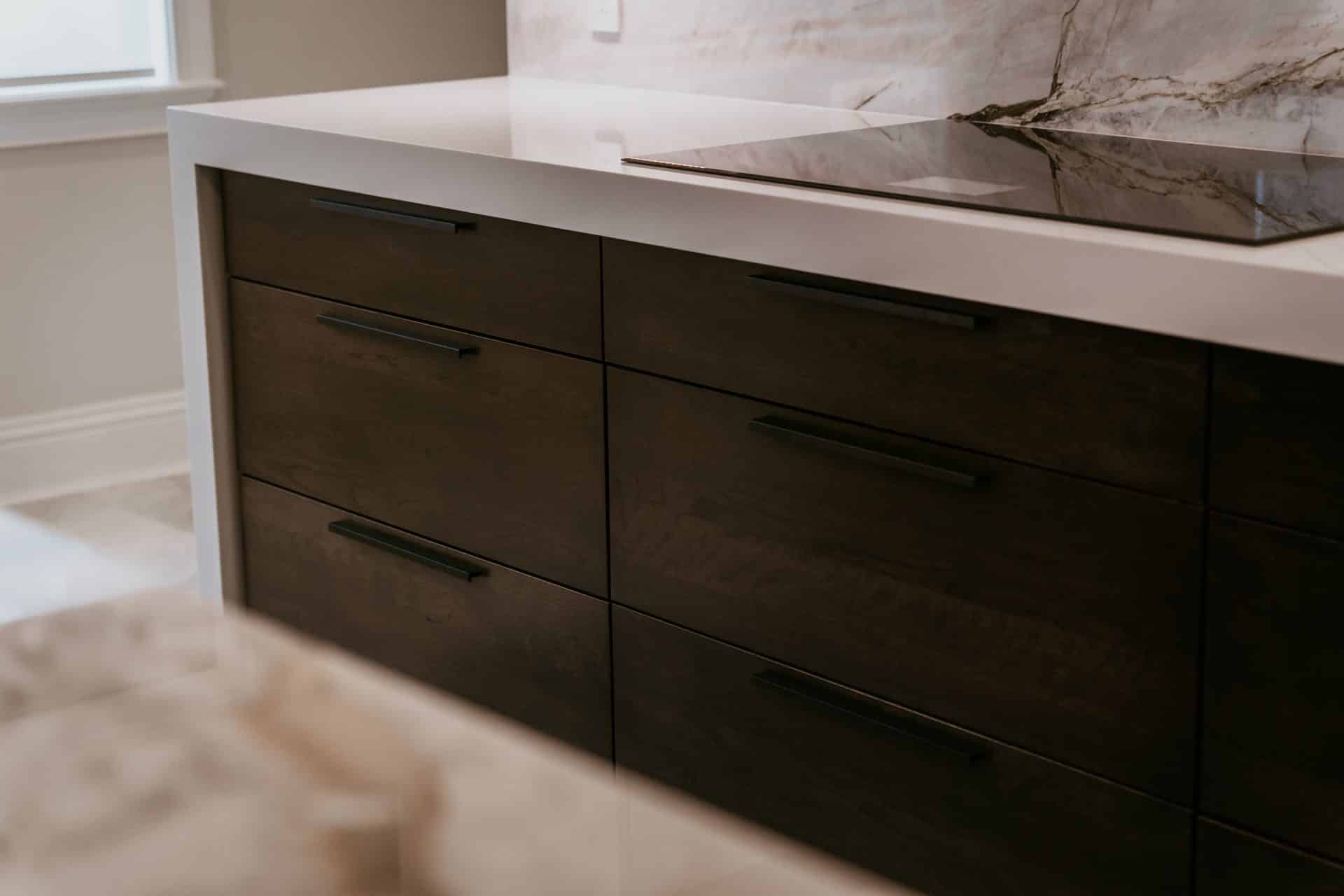
If you are planning a kitchen remodel in Fort Myers, one of the biggest layout choices is kitchen drawers vs shelves. This decision shapes how your kitchen feels every day, from unloading groceries to reaching for pans during dinner. Many homeowners focus on cabinet door styles and finishes first, but storage function deserves equal attention. In Southwest Florida homes, especially those with slab construction and open floor plans, base cabinet storage does a lot of the heavy lifting. The best plan is not drawers everywhere or shelves everywhere. It is matching each cabinet type to the items you actually use, the weight of those items, and how easily you want to see and grab them.
Plan base cabinet storage by the items you use most
A smart kitchen starts with an honest inventory. Before you choose cabinet interiors, sort your kitchen items into groups. Think about cookware, food containers, mixing bowls, plates, baking sheets, cutting boards, small appliances, and cleaning supplies. Each group behaves differently in a cabinet.
Pots, pans, and lids
Deep drawers usually work better for pots and pans than fixed shelves. A drawer lets you pull the whole group toward you instead of kneeling and reaching into the back of a cabinet. That matters even more when heavy stockpots or cast-iron pieces are involved. Lids are easier too when they can stand upright in dividers or be nested in a shallow drawer above the cookware.
Dishes and everyday serving pieces
Many homeowners assume plates belong behind doors on shelves. In practice, base drawers are often easier for stacks of dinner plates, bowls, and serving dishes. You can stand over the drawer, see everything at once, and lift items out with less twisting. That can make daily cleanup feel simpler, especially in kitchens where the dishwasher sits near a drawer bank.
Food containers and wraps
Shallow drawers are often the most organized option for plastic or glass storage containers, lids, foil, and wraps. Shelves tend to turn these items into unstable piles. If your family uses reusable containers often, dedicate a drawer or two instead of trying to squeeze them into a door cabinet.
Small appliances
Small appliances are where shelves still make sense. A stand mixer, slow cooker, blender base, or air fryer may fit well on a shelf if you do not use it every day. The cabinet opening gives you more vertical clearance, and the shelf can hold larger shapes without forcing them into a drawer box dimension. For heavy appliances used often, though, a wide drawer or pull-out tray can reduce awkward lifting.
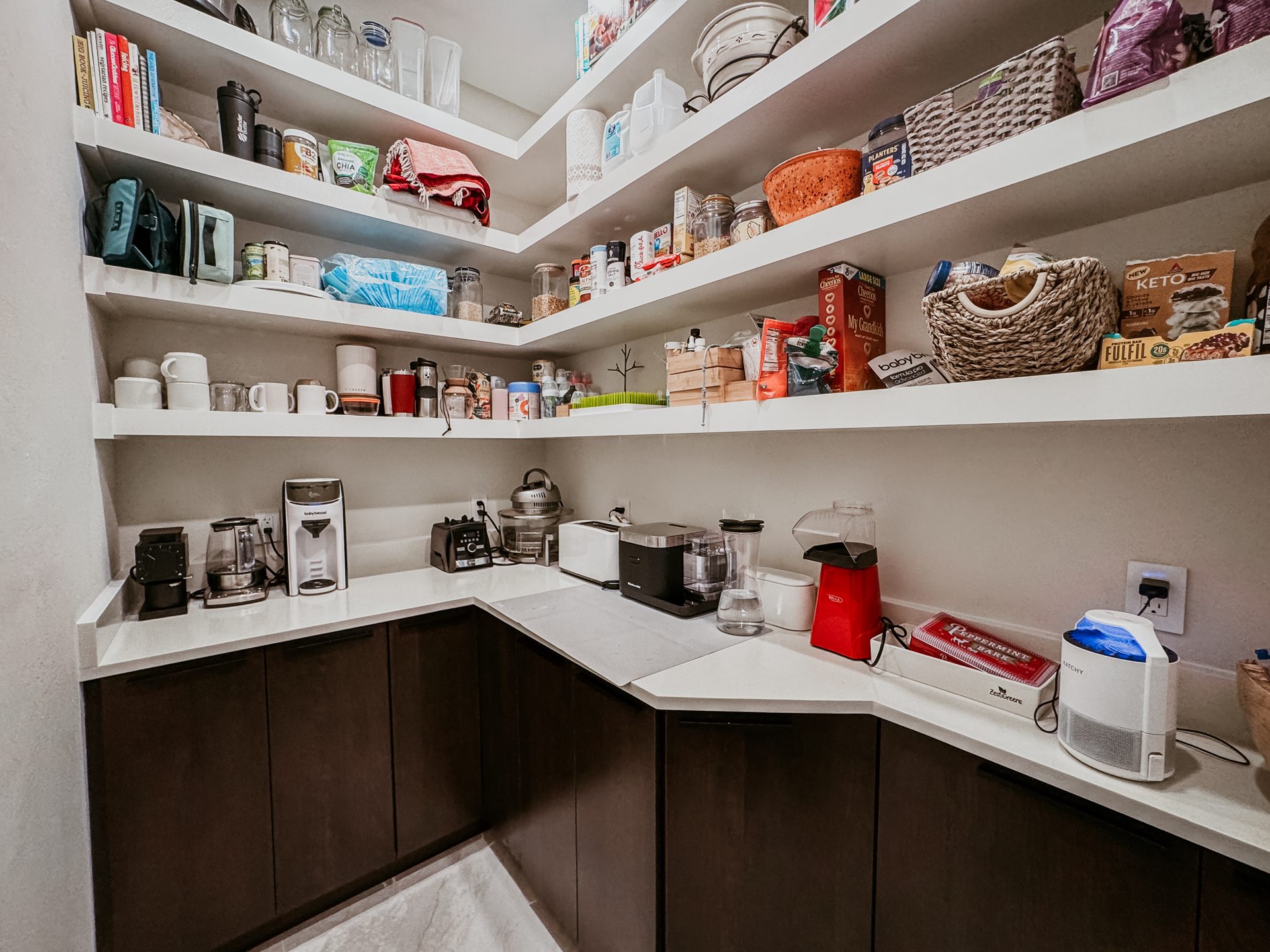
Kitchen drawers vs shelves for visibility, reach, and daily comfort
The main difference between drawers and shelves is not style. It is access. A shelf behind a door creates storage in layers. A drawer brings the contents out to you. That one difference changes how much bending, reaching, and searching you do.
Drawers show more of what you own
When a drawer opens, you can usually see the full top view of the contents. That makes it easier to keep categories separate. You know where the tongs are. You can spot the saucepan lid without moving three other things. In busy family kitchens, visibility helps prevent duplicate purchases and reduces clutter.
Shelves can waste the back half
Traditional base shelves often become storage for forgotten items. The front area fills first, then the rear becomes a hard-to-reach zone for roasting pans, backup platters, or gadgets you rarely use. This is one reason homeowners feel their kitchen has “not enough space” even when the cabinet count is decent. The issue is often access, not square footage.
Doors with pull-out trays are a middle option
There is an important middle ground between drawers and simple shelves: pull-out trays behind cabinet doors. These work well when you like the look of doors on the cabinet face but still want better access than a fixed shelf provides. Pull-out trays can be especially useful for heavier mixing bowls, pantry overflow, or small appliances.
They are not exactly the same as drawer stacks. A drawer has its own front and usually feels more direct to use. A pull-out tray requires you to open the door first, then slide the tray. Still, it is a major upgrade over reaching into a deep cabinet on hands and knees.
Seasonal occupancy can affect comfort choices
In Southwest Florida, some homes serve as seasonal residences while others are used year-round by large families. If the home is occupied full time, convenient daily access becomes even more valuable. If it is a seasonal property, easy visibility can also help you reopen the kitchen after time away without digging through every lower cabinet to remember what is inside.
Use drawers where weight and repetition make shelves frustrating
Not every kitchen item needs a drawer, but some categories almost always benefit from one. The key is to notice where repeated movement and heavier loads create friction.
Best uses for deep drawers
Deep drawers are strong candidates for:
- Pots and sauté pans
- Stacked plates and bowls
- Mixing bowls and colanders
- Food storage containers
- Large utensils and kitchen towels
- Pet bowls and feeding supplies
These items are either used often, awkward to stack on a shelf, or heavy enough that pulling them toward you feels easier than reaching into a dark cabinet box.
Best uses for shelves or tray cabinets
Shelves still have a place in a well-planned kitchen. They are often a better fit for:
- Tall small appliances
- Bulk paper goods
- Large serving platters used less often
- Cleaning products under the sink
- Items with unusual height or shape
Under-sink cabinets are a common example. Plumbing lines interrupt the space, so shelves or customized pull-outs often work better than standard drawer boxes. In other base cabinets, shelves can still earn their place when the contents are tall, occasional-use, or oversized.
Check usable interior space, not just the cabinet width
Homeowners often compare one cabinet to another by exterior width alone. That can be misleading. Drawer systems include drawer sides, slides, and clearances. Shelved cabinets may offer a different kind of usable volume. What matters is whether the chosen interior matches the shape of the item you want to store.
During design, lay out your real cookware and dishes on paper by category. Then place those groups into likely cabinet types. This is far more useful than guessing from a showroom display.
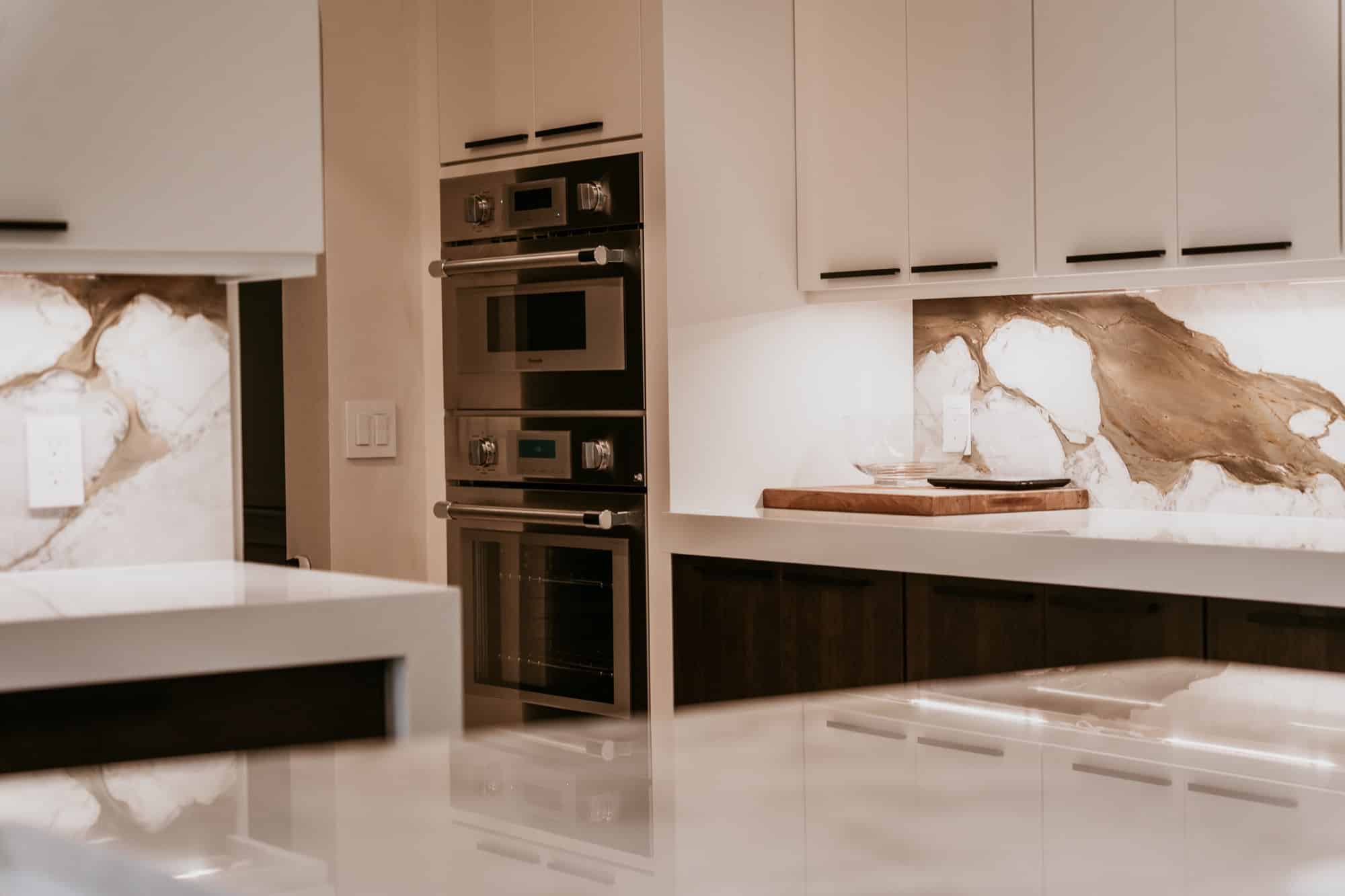
Choose drawer and shelf locations around your work zones
A kitchen works best when storage supports the tasks that happen nearby. Instead of asking whether drawers or shelves are better in general, ask which option fits each zone.
Near the cooktop
Place cookware, lids, cooking utensils, spices, and oils near the main cooking area. Deep drawers for pots and pans often make sense here, with a shallower drawer above for utensils. If you prefer cabinet doors for the lower section, pull-out trays can still improve access.
Near the dishwasher
Dish drawers near the dishwasher can speed up unloading. Plates, bowls, and everyday glasses stored in nearby lower cabinets reduce steps and simplify cleanup. This is especially helpful in homes where multiple family members help in the kitchen.
Near the prep area
Prep zones usually benefit from shallow and medium-depth drawers that hold knives, measuring tools, mixing bowls, wraps, towels, and cutting boards. When these items are in shelves, they often get stacked behind each other and are harder to grab mid-recipe.
Near the pantry edge or refrigerator run
If you keep snacks, lunch supplies, or baking ingredients in lower cabinets, shelves may still work, but pull-outs can improve visibility a lot. In open kitchens common around Cape Coral, Estero, and Bonita Springs, organized lower storage helps reduce countertop spillover and keeps the room looking calm.
If you are planning a larger update, reviewing your cabinet plan alongside a kitchen remodeling project helps you coordinate storage, appliance placement, and traffic flow at the same time rather than treating storage as an afterthought.
Cabinet accessories can refine the plan, but confirm them early
Once you know where drawers and shelves belong, accessories can make each cabinet work harder. Dividers, roll-outs, utensil inserts, and tray organizers help keep categories from drifting into each other.
Some manufacturers offer add-ons such as cutlery organizers and pull-outs. If you are exploring a specific cabinet line, review available Fabuwood cabinet accessories and confirm what fits your selected cabinet series and sizes before finalizing the plan. Availability can vary by line, so it helps to verify these details early instead of assuming every insert works in every cabinet.
Good accessory choices for drawer-heavy kitchens
If you choose more drawers, consider inserts that prevent items from sliding and mixing together. Plate pegs, utensil dividers, lid organizers, and drawer boxes for spices or wraps can keep things tidy without overcomplicating the layout.
Good accessory choices for shelf-heavy kitchens
If your design keeps more door cabinets, look at pull-out trays, vertical dividers for pans and boards, and under-sink organizers shaped around plumbing. These features can rescue awkward spaces that would otherwise become clutter traps.
Think about installation and permit sequencing
In Southwest Florida remodels, cabinet choices can affect more than storage. Appliance clearances, island dimensions, and traffic paths should be coordinated before fabrication. If your remodel changes layout, electrical, or plumbing locations, those decisions are usually easier to manage when storage planning happens early. For homeowners exploring built-ins and interior options, custom layouts through custom cabinetry can help match cabinet types to the actual items in your home instead of relying on one-size-fits-all boxes.
Frequently asked questions about kitchen drawers vs shelves
Are drawers better than shelves in lower kitchen cabinets?
Often, yes, especially for items you use every day. Drawers improve visibility and reduce bending and reaching into the back of a cabinet. They are especially practical for cookware, dishes, bowls, and food containers. Shelves still work well for taller or bulky items, so the best plan usually combines both instead of choosing only one type.
What is the difference between a drawer and a pull-out tray behind a door?
A drawer opens directly from the cabinet front and usually gives quicker access. A pull-out tray sits inside a cabinet with doors, so you open the door first and then pull the tray forward. Both improve access compared with fixed shelves, but drawer stacks feel more direct for everyday use and frequent unloading.
Should I store plates in drawers or on shelves?
Many homeowners like plates in deep drawers near the dishwasher because unloading is easier and the stacks are visible from above. Shelves can still work, but they often require more reaching and reshuffling. If your dishes are used daily, drawers are usually more comfortable. If they are occasional serving pieces, shelves may be enough.
How do I decide the best mix for my remodel?
Start with your real inventory, not a generic cabinet plan. Group items by size, weight, and how often you use them. Then map those groups to the prep, cooking, cleanup, and pantry zones in your kitchen. A remodel plan works better when the storage matches your routines, appliance locations, and the kinds of cookware and dishes you actually own.
Alliance Construction & Renovation helps homeowners in Fort Myers, North Fort Myers, Naples, Punta Gorda, Cape Coral, Estero, and Bonita Springs plan practical kitchen drawers vs shelves solutions that fit real cooking habits and cabinet layouts. To discuss your remodel, (239) 771-2855 or request an estimate.