
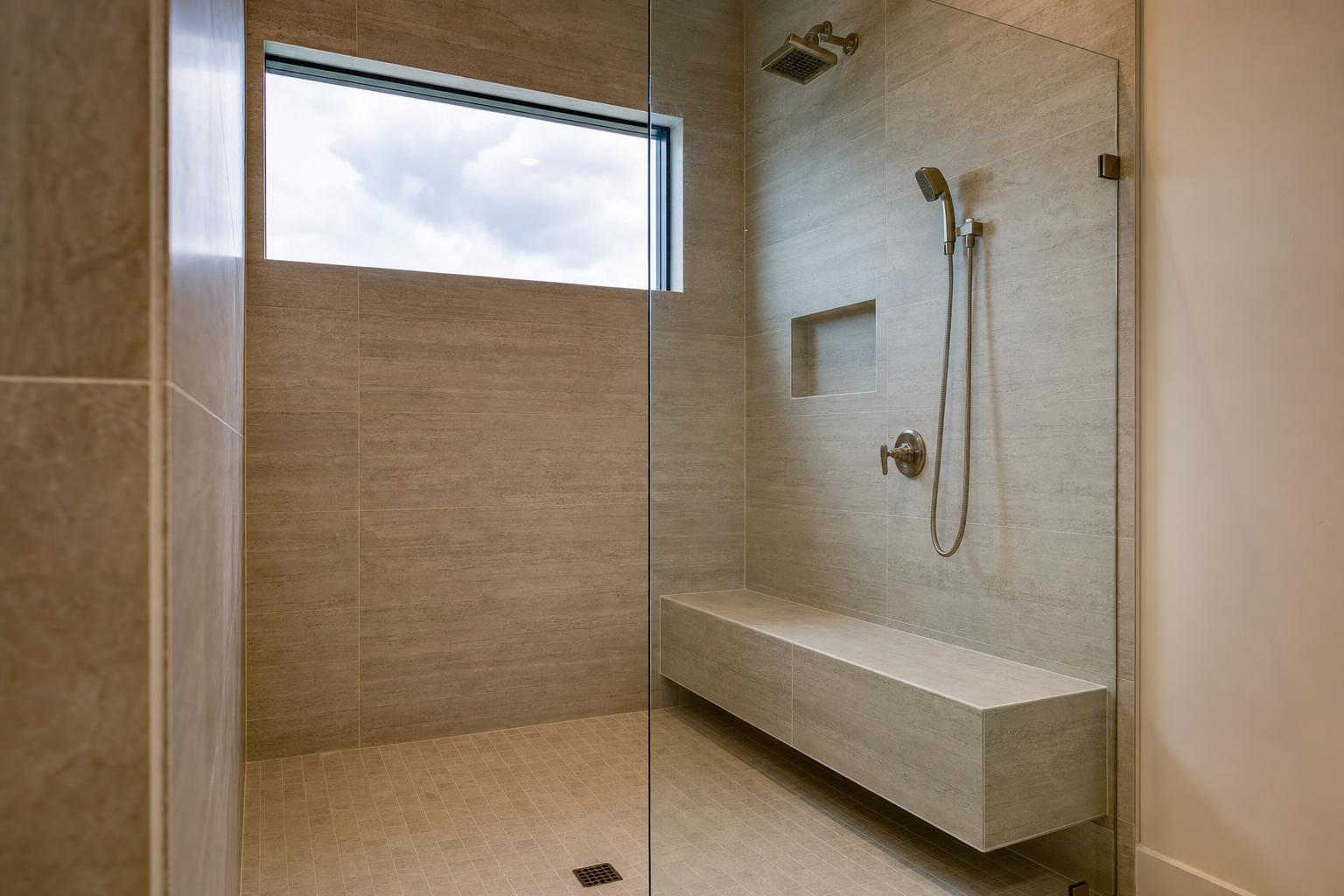
Choosing a bench sounds simple until you start comparing shapes, waterproofing details, and how the shower will actually be used every day. For homeowners searching for shower bench ideas naples, the best option is usually the one that fits the shower size, supports easy cleaning, and works with the rest of the bathroom plan. In Naples, many remodels also need to account for humid conditions, seasonal occupancy, and the fact that most bathrooms are built on slab construction, which can affect drain and layout choices. A well-planned bench can improve comfort, storage, and accessibility without making the shower feel crowded or harder to maintain.
Pick a shower bench style that fits the shower footprint
A shower bench should match the size and shape of the enclosure. In a large walk-in shower, a full bench can feel balanced and useful. In a tighter shower, a smaller corner or floating seat often works better. The main goal is to create a place to sit, shave, or set toiletries without blocking movement under the showerhead.
Built-in full-width benches
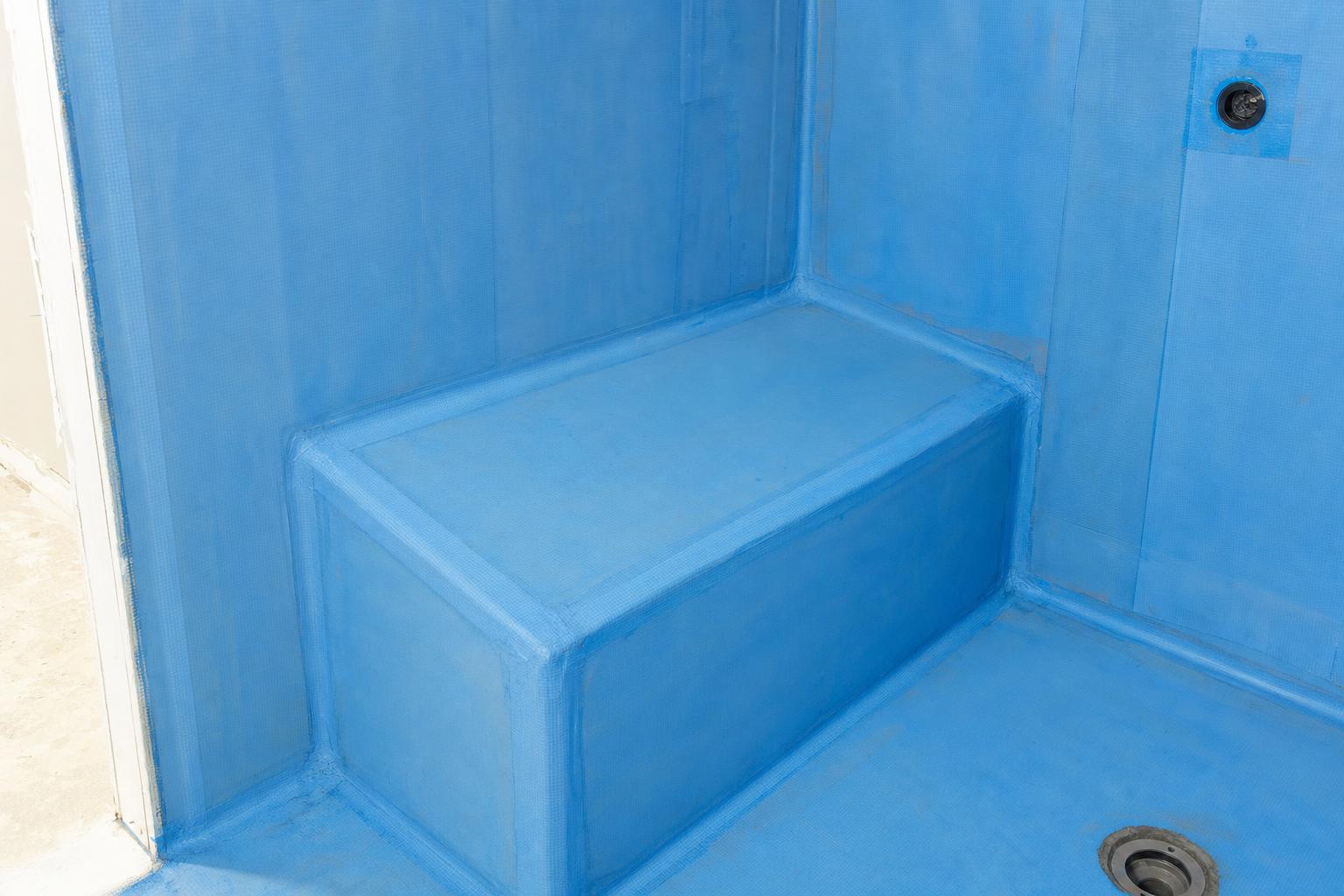
A built-in bench runs along one wall and is usually framed and waterproofed as part of the shower itself. This is a strong choice when the shower is being rebuilt from the studs and there is enough depth to spare. Full-width benches look intentional and can make a larger Naples primary bath feel more spa-like.
They also give you a generous surface for bottles and towels, but they take up the most floor area. In a modest shower, that can make the standing area feel tighter than expected.
Corner benches for smaller showers
A corner bench uses less room because it tucks into one end of the shower. It still gives a spot for leg shaving or brief seated use, but it does not dominate the layout. For many guest baths and secondary baths, this style offers a good balance between function and open floor space.
Floating benches for a cleaner look
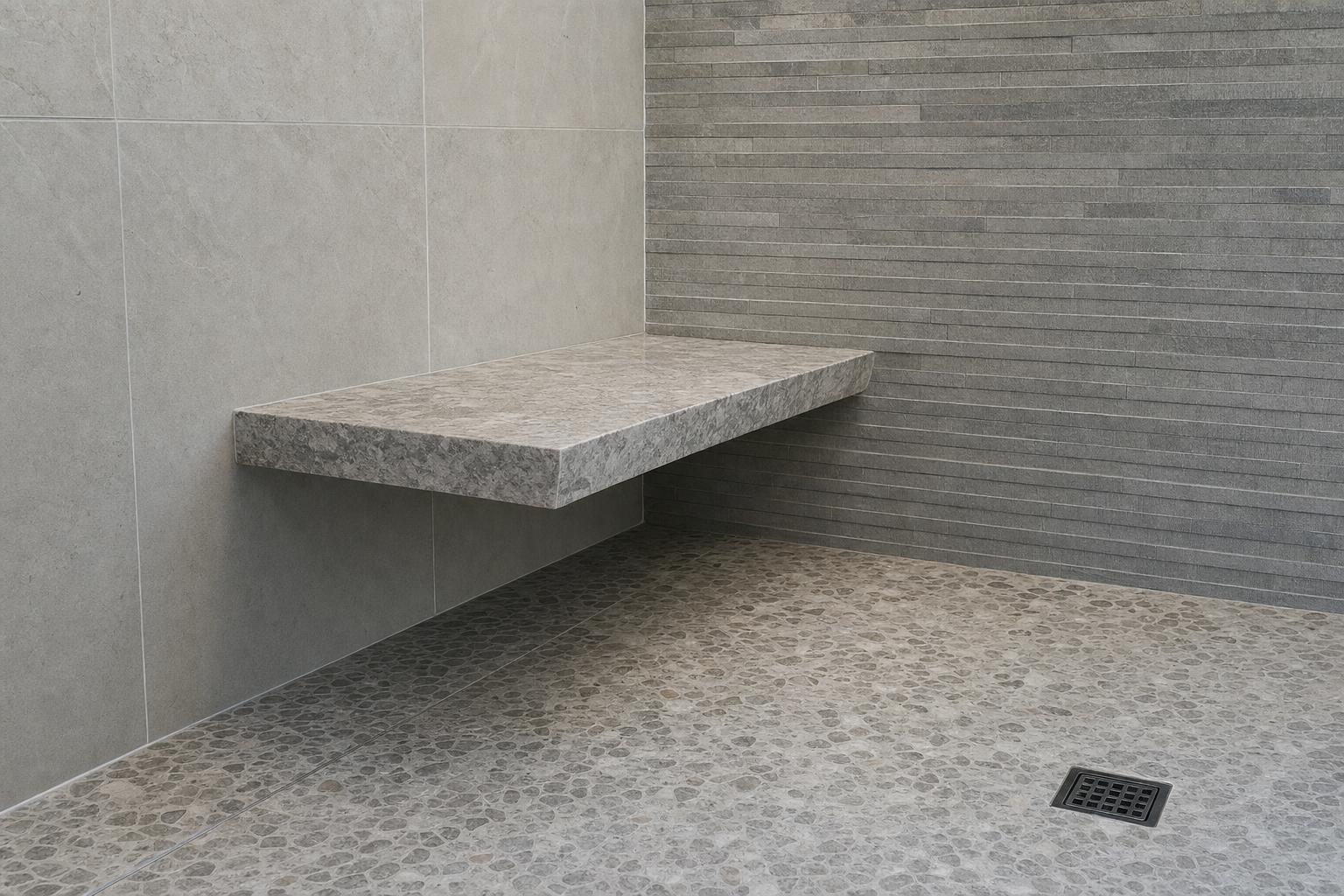
Floating benches attach to the wall and leave the floor open below. That open space can make the shower look larger and can simplify mopping or squeegeeing. Floating designs are popular in contemporary bathroom remodels, especially when homeowners want a lighter visual line with large-format tile.
Because the support is hidden, the framing and anchoring need to be planned early. This is not a last-minute add-on.
Movable benches and teak stools
A removable bench or shower stool works well if you want flexibility without committing to a permanent structure. It can be practical in a guest bath or in a shower where floor space is limited. It also lets you change the setup later. The tradeoff is that movable pieces can slide, collect soap residue underneath, and may not look as integrated as a built-in feature.
Shower bench ideas Naples homeowners should compare before rough-in
Bench decisions affect more than appearance. The size, location, and type of bench can influence plumbing rough-in, niche placement, glass layout, and drain position. That is why it helps to decide on the bench early, before tile and fixture locations are locked in.
Think about spray direction and comfort
A bench directly under the showerhead can be useful if the shower is designed for seated bathing. In many standard showers, though, homeowners prefer the bench just outside the strongest water spray. That way the seat stays useful without being constantly soaked during every shower.
Placement also affects comfort. If the bench is too close to the valve wall, reaching controls can feel awkward. If it is too far from a niche, bath products may end up on the floor.
Plan the niche and handheld at the same time
A bench often works best with a handheld shower on a slide bar and a nearby niche. This combination supports seated use, easier cleaning, and better convenience. In a remodel, it is smart to view those parts as one system instead of separate upgrades.
If you are considering a full bathroom update, a bathroom remodeling project can coordinate bench design, tile layout, lighting, and storage so the shower feels cohesive.
Keep the glass door swing in mind
Some bench locations interfere with the door opening or create a visual block from outside the shower. A corner bench may disappear neatly behind glass, while a full bench can become a focal point. Neither is wrong, but the glass design should support the bench instead of fighting it.
Use waterproof construction details that hold up in a wet Naples bathroom
A shower bench is only as good as the waterproofing behind it. In Southwest Florida, where indoor humidity can stay high and showers may sit unused for part of the year in seasonal homes, it is especially wise to focus on moisture management and easy drying.
Slope the bench top toward the drain
The bench surface should not sit flat. A slight slope helps water move off the seat instead of pooling at the back edge. Standing water can leave mineral spots, encourage mildew, and make the bench less pleasant to use. This is one of the simplest details, yet it has a big effect on long-term performance.
Choose materials made for wet areas
Built-in benches are typically finished with tile, stone, quartz, or solid-surface materials rated for wet use. The best choice depends on the style of the bathroom and how much maintenance you want. Textured tile may add traction, while a slab seat can reduce grout joints and simplify cleanup.
Natural stone can look beautiful, but it may require more routine care than porcelain or some engineered surfaces. If low maintenance is the priority, ask about finishes that limit grout lines and wipe down easily.
Protect the structure, not just the surface
Tile and grout are not the full waterproof system. The underlying membrane, seams, fastener locations, and transitions at the wall all matter. A bench built into the shower must be integrated into the overall water management plan, especially at corners and where horizontal and vertical planes meet.
For accessibility-related dimensions and bathing layout guidance, review the U.S. Access Board bathing-room guidance. Even when a bathroom is not intended as a formal accessible space, that resource can help homeowners understand clearances and seating considerations.
Balance comfort, accessibility, and cleaning in everyday use
The most attractive bench is not always the most useful one. Good bench planning should support the way the shower is actually used. That includes comfort, reach, cleanup, and who will use the bathroom now and in the coming years.
Seat depth and height affect comfort
A bench that is too shallow feels perched. One that is too deep can eat up valuable standing room. Height matters too. A comfortable seat usually feels stable and easy to stand from, while an awkward height can make the bench less appealing than homeowners expect. During design, it helps to think about who will use it most often and whether the goal is occasional convenience or regular seated bathing.
Open space underneath changes maintenance
Floating benches and wall-mounted seats leave open floor area, which can make cleaning easier. Full masonry-style benches create a more built-in look but add more corners and edges. If the shower already has multiple niches, accent bands, or pebble flooring, a simpler bench profile may reduce visual clutter and simplify maintenance.
Traction and edge shape matter
Smooth polished surfaces can look elegant, but they should still feel safe when wet. Rounded or eased edges tend to feel better against bare skin than sharp tile corners. In homes used by older adults or frequent guests, these practical details can matter more than decorative ones.
Match the bench to the bathroom style and remodeling scope
The bench should feel like part of the bathroom, not an afterthought. Its finish, shape, and placement should work with the floor tile, wall tile, niche trim, and plumbing fixtures. That is often easier to achieve when the shower bench is planned as part of the full remodel.
Modern bathrooms often favor clean lines
In many Naples remodels, homeowners choose large-format tile, frameless glass, and minimal trim. A floating bench, slab seat, or simple corner form tends to fit that look well. These designs can keep the shower open and airy, which is useful when the room has limited natural light.
Traditional bathrooms can support more substantial benches
If the bathroom includes warmer tones, classic stone looks, or more detailed cabinetry, a thicker built-in bench may feel more at home. The key is scale. A heavy bench in a compact shower can feel crowded, while the same design may look appropriate in a larger enclosure.
Remodel sequence affects what is realistic
If the shower is being fully opened, more bench options are available because framing, waterproofing, and tile backing can all be adjusted. In a smaller update that keeps much of the existing layout, some bench ideas may be less practical. That is one reason many homeowners in Naples review the entire bath plan before choosing finishes.
For local project planning, our Naples remodeling services page outlines the types of spaces commonly updated in the area. It can help you think through how a new shower bench fits into the wider remodel, from storage to fixture placement.
Seasonal homes benefit from lower-maintenance choices
Many Naples homes are occupied part of the year. In those bathrooms, easy-clean surfaces and simpler bench shapes can be especially appealing. Fewer grout joints, fewer horizontal ledges, and better drying can make the shower easier to maintain between visits.
Frequently asked questions about shower bench ideas naples
Is a built-in shower bench better than a movable bench?
A built-in bench usually looks more integrated and can feel sturdier because it is part of the shower structure. A movable bench offers flexibility and does not require major construction. The better choice depends on shower size, how often seated use is expected, and whether you want a permanent design feature or a simpler accessory.
Where should a shower bench go in a walk-in shower?
Many homeowners prefer the bench along a side or back wall where it is easy to reach but not directly in the strongest water spray. The best location should also work with the valve, niche, drain slope, and glass layout. Early planning helps prevent conflicts that can make the shower feel cramped or awkward.
What bench surface is easiest to keep clean?
Surfaces with fewer grout joints are often easier to maintain than small tile patterns. A slab-style top in a wet-rated material can simplify wiping down the bench after use. Regardless of finish, a slight slope toward the drain is important so water does not sit on the seat and leave residue.
Can a shower bench improve accessibility without making the shower look medical?
Yes. Many benches support comfort and easier use without changing the style of the room. Clean-lined built-in benches, floating seats, and well-placed handheld showers can make the space more accommodating while still looking polished. The layout, seat height, and surrounding clearances should be discussed early in the remodeling process.
Alliance Construction & Renovation helps homeowners compare shower bench ideas Naples residents can actually use, clean, and enjoy over time. If you are planning a bathroom update and want practical guidance on bench style, waterproofing, and layout, call (239) 771-2855 or request an estimate.