
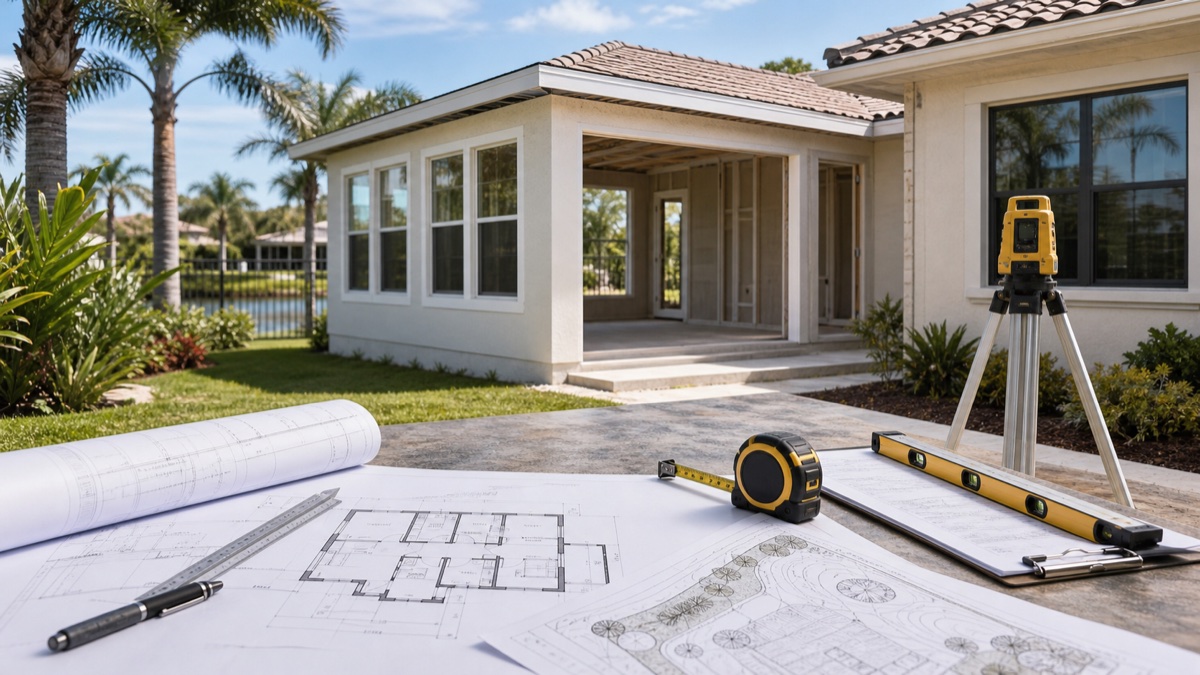
The choice between new construction and a major remodel in Fort Myers is rarely just a design preference. It affects budget planning, temporary housing, permitting, inspections, existing structural conditions, floodplain questions, and how much of the current home can realistically be reused. Alliance Construction & Renovation helps homeowners look at those construction factors before they commit to a path.
This guide is a practical starting point, not legal, engineering, insurance, or code advice. Building-code, floodplain, permit, and zoning requirements can change by property, jurisdiction, and scope. Before relying on any construction plan, confirm the current requirements with the local building department, a qualified design professional, and the authority having jurisdiction.
Start With The Existing Home
A remodel makes the most sense when the existing structure is sound, the floor plan can be improved without fighting the building, and the major systems can be upgraded in a predictable sequence. A home with a solid shell, workable ceiling heights, reliable access, and a layout that can be adapted may be a strong remodel candidate.
New construction starts to make more sense when the existing home has widespread storm damage, major layout limits, chronic moisture problems, outdated systems throughout, or structural conditions that would require opening and rebuilding much of the property anyway. In those cases, saving a portion of the existing structure may not save as much money or time as it first appears.

Compare Scope Before Comparing Price
Cost comparisons can be misleading if the scopes are not equal. A remodel estimate may look lower because it excludes hidden conditions, system upgrades, finish selections, or work that cannot be seen until demolition begins. A new construction estimate may look higher because it includes a more complete reset of the site, structure, systems, windows, roof, finishes, and inspections.
Before comparing proposals, ask what is included, what is excluded, what assumptions were made, and what could change once work begins. The estimate should make clear whether the project includes roofing, windows and doors, electrical, plumbing, HVAC, insulation, drywall, flooring, cabinets, site work, engineering, design coordination, permit support, and cleanup.
A good contractor conversation should also cover allowances and change orders. Older homes can reveal outdated wiring, plumbing, framing, window openings, moisture damage, or previous unpermitted work. Those discoveries do not automatically mean the project is a bad idea, but they should be part of the risk discussion before the homeowner signs a large contract.
Understand The Permit And Review Process
Both major remodels and new construction can require permits, inspections, and documentation. The exact process depends on the property, the scope, and the local authority reviewing the work. Homeowners can start by reviewing current resources from Lee County building services, then confirming what applies to their specific address and project.
Floodplain considerations may also affect some properties in Southwest Florida. If the home is in or near a mapped flood hazard area, ask early how the proposed scope will be reviewed. Official resources such as the FEMA flood map tools can help homeowners understand why location, elevation, and substantial-improvement review may matter, but local officials should make the project-specific determination.
Think About Timeline And Daily Disruption
A remodel can sometimes be phased, but phasing is not always easier. Living through construction can mean dust, noise, temporary kitchen or bathroom changes, material staging, and limited access to parts of the home. If the work affects major systems or large portions of the house, temporary relocation may be more realistic than trying to live around the project.
New construction usually requires a longer planning runway and a larger commitment, but it can be cleaner from a lifestyle standpoint because the work is not happening around occupied rooms. The homeowner may also get a more efficient layout, coordinated systems, and fewer compromises caused by existing walls or outdated construction details.
Know What You Want The Finished Home To Do
The right choice depends on the final goal. If the homeowner wants a better kitchen, updated bathrooms, improved flooring, and a more comfortable interior while preserving the original home, a major remodel may be the right fit. If the goal is a completely different floor plan, higher ceilings, more square footage, modern storm-resistant openings, and a full reset of every system, new construction may deserve a serious look.
It also helps to think about long-term use. A seasonal home, rental property, forever home, or resale-focused investment may lead to different construction decisions. The same improvement can be smart in one situation and excessive in another.
Questions To Ask Before Choosing

Before deciding between a remodel and new construction, ask whether the existing structure is worth preserving, what hidden conditions are most likely, which systems need replacement, how the permit review will be handled, and how much disruption the household can tolerate. Those questions make the decision more grounded than comparing two broad price ranges.
Ask the contractor to walk through the sequence of work. For a remodel, that may include demolition, discovery, structural changes, rough trades, inspections, drywall, finishes, and final punch list. For new construction, it may include design coordination, site preparation, foundation, framing, exterior envelope, rough trades, inspections, finishes, and closeout documentation.
Frequently Asked Questions
Is remodeling always cheaper than building new?
No. A remodel can be more economical when the existing structure is sound and the scope is well defined. It can become less predictable when major systems, hidden damage, structural changes, or extensive exterior work are involved.
Can a contractor decide whether my project meets local code or floodplain requirements?
A contractor can help prepare the construction scope and coordinate documentation, but the local authority having jurisdiction makes permit and compliance determinations. For sensitive questions, involve the building department, floodplain administrator, engineer, or design professional early.
What should I prepare before a consultation?
Bring photos, a rough wish list, known repair history, prior permits if available, survey or elevation documents if you have them, and a clear explanation of what is not working in the current home. That information helps the contractor compare remodel and rebuild options more realistically.
Talk With Alliance Construction & Renovation
If you are comparing new construction and a major remodel in Fort Myers, call Alliance Construction & Renovation at (239) 771-2855 or visit the contact page. A project conversation can help clarify the scope, likely construction sequence, and next steps before you commit to a remodel or rebuild.