
North Fort Myers outdoor living lanai projects are among the most requested additions we see across Lee County, and for good reason. With roughly 265 sunny days a year, screened lanais and covered decks turn your backyard into functional square footage you can actually use nine or ten months out of the year. But building right here in North Fort Myers means navigating 140–150 mph design wind speeds, year-round humidity above 70%, and Lee County permit requirements that catch many homeowners off guard. This guide walks you through roof types, decking materials, screen systems, and realistic budget tiers so you can make an informed decision before the first shovel breaks ground.
Why North Fort Myers Outdoor Spaces Require Hurricane-Rated Construction
Lee County sits inside a High-Velocity Hurricane Zone by many engineering standards, and the current Florida Building Code requires lanai and patio cover structures to meet the same wind load criteria as the main dwelling: typically ASCE 7-22 wind speed maps showing 140 to 150 mph design loads for most of unincorporated North Fort Myers. That is not a suggestion; it is a code minimum enforced at permit inspection.
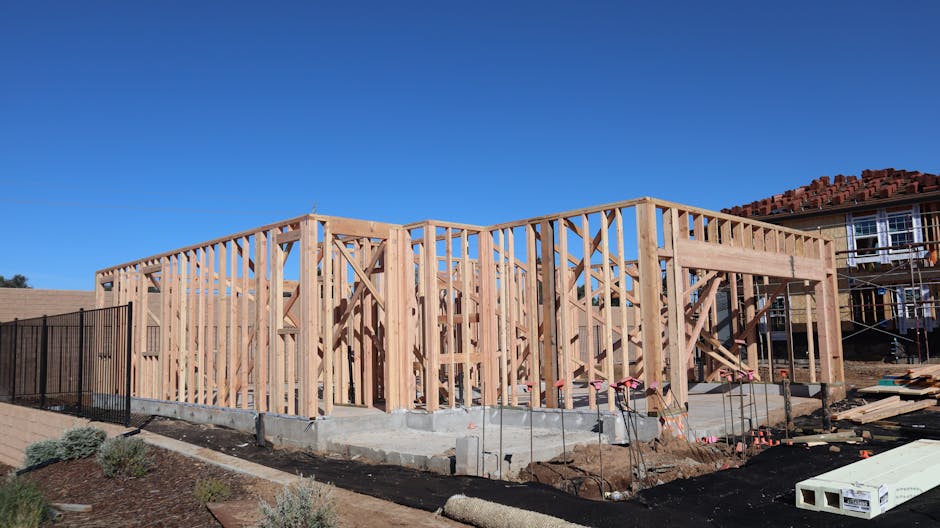
What does that mean in practice? Any new lanai addition must use engineered aluminum framing or steel-reinforced lumber connections rated for those loads. Roof panels (whether polycarbonate, insulated aluminum, or a true hip-and-ridge tile extension) need to be anchored with code-compliant hardware: Simpson Strong-Tie or equivalent hurricane ties at every rafter seat, anchor bolts into the existing slab or new footings, and a signed and sealed engineer’s letter if the span exceeds certain thresholds. Your Lee County permit will trigger a structural review, and plan review timelines currently run three to six weeks for residential additions in the county, so factor that into your project schedule.
Salt-air corrosion is a secondary concern. Homes within five miles of the coast (and much of North Fort Myers sits close to the Caloosahatchee and its tidal tributaries) experience accelerated oxidation on carbon steel fasteners, galvanized hardware, and even aluminum extrusions with low alloy content. Specify 6000-series aluminum framing, Type 316 stainless fasteners in exposed locations, and powder-coated rather than painted finishes wherever possible. These upgrades add five to ten percent to material cost but easily double fastener lifespan in a salt-humid environment.
Working with a licensed North Fort Myers remodeling contractor who pulls permits and submits engineered drawings takes the guesswork out of code compliance. Unpermitted lanai additions regularly show up as deal-killers in real estate transactions and can trigger fines from the Lee County Code Enforcement division.
Lanai Roof Types: Solid, Screen-Only, and Insulated Panel
The roof system you choose shapes every other decision: budget, comfort, maintenance schedule, and the permit category your project falls into. There are three primary options for North Fort Myers outdoor living lanai builds.
Screen Enclosures with an Open or Screen Roof
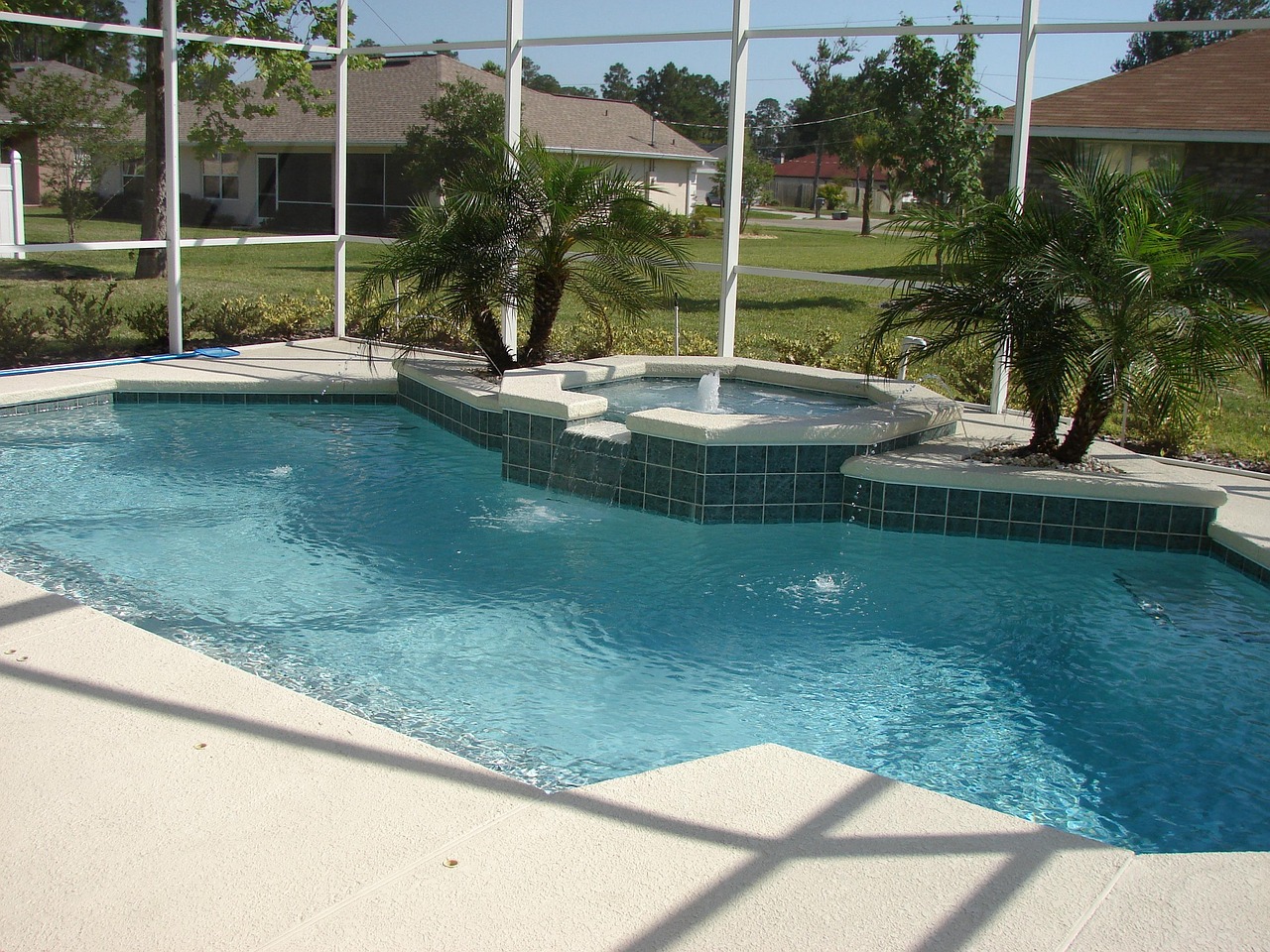
A screen-only enclosure uses an aluminum frame and fiberglass or aluminum mesh to create a bug-free outdoor room without adding a solid overhead cover. These are the most common structures on mid-century concrete-block (CBS) homes throughout North Fort Myers and surrounding areas. Costs run $12–$22 per square foot installed, depending on cage height, door count, and screen grade. Standard 18×16 mesh keeps out mosquitoes and no-see-ums but offers no shade or rain protection. Upgrade to a 20×20 mesh or a shade screen (like a 60% or 80% shade cloth top panel) for meaningful UV reduction. Expect an aluminum screen enclosure rated for 130–140 mph to carry a 10–15 year life on the screen material before re-screening is needed; the frame itself can last 30-plus years with periodic cleaning and re-caulking at base connections.
Solid Patio Covers and Roof Extensions
A solid insulated-panel roof (typically a 2-inch or 3-inch foam-core aluminum panel system) provides full rain and sun protection and is the go-to for Florida homeowners who want a true outdoor kitchen or living room setup. Panel systems from manufacturers like Acrylite or Duralum install over the existing screen cage frame or as a standalone structure. Installed cost ranges from $28–$50 per square foot depending on span, insulation value, and whether gutters and downspouts are included. A true tile or metal roof extension that matches the home’s existing roof profile carries a higher price ($45–$75 per square foot) but delivers the most seamless architectural look and can increase appraised value more meaningfully.
Pergolas and Louvered Roof Systems
Motorized louvered roof systems from brands like Struxure or Equinox have become popular in North Fort Myers and Estero for homeowners who want adjustable shade without committing to a fully enclosed structure. Aluminum louvers rotate to manage sun angle and close to shed rain. These systems start around $15,000–$25,000 for a 12×16 footprint and require engineering documentation for wind uplift in Lee County. They are not typically combined with a screen cage below, so mosquito control becomes a separate conversation.
Decking Materials for Southwest Florida’s Climate
If your outdoor project includes a raised deck, a pool deck, or a ground-level patio surface, material selection matters enormously in SWFL’s year-round heat and humidity. The wrong product fades, warps, or becomes a slip hazard within three to five years.
Shellstone and travertine pavers remain the dominant choice for pool decks and ground-level lanai floors in Lee and Collier counties. Natural travertine stays cooler underfoot than concrete in direct sun (surface temperatures run 15–20°F lower than dark concrete) and the filled-and-honed finish provides reasonable slip resistance. Budget $12–$18 per square foot installed on a properly compacted base. Note that travertine is porous and requires sealing every two to three years in Florida’s rainy season to prevent organic staining.
Porcelain pavers (20mm thickness) have gained ground as a lower-maintenance alternative. They are non-porous, frost-resistant (less relevant here, but it signals density), and available in wood-grain or natural stone formats. Installed cost is slightly higher at $15–$22 per square foot, but the no-seal maintenance profile appeals to snowbird owners who close the home for several months each year.
Trex composite decking and competing PVC boards work well on elevated decks attached to the home, where a wood substructure must also be detailed for moisture drainage. In North Fort Myers, pressure-treated pine subframes should use .40 ACQ-rated lumber and stainless ring-shank fasteners; standard galvanized hardware corrodes within three to five years at this humidity level. Trex composite boards carry a 25-year fade and stain warranty and perform well in Florida UV without the annual sealing hardwood requires. Budget $18–$30 per square foot for composite deck boards plus a treated subframe.
Avoid untreated or poorly sealed natural hardwoods like Ipe or Brazilian cherry for exposed SWFL applications unless you are committed to a rigorous annual maintenance schedule. Year-round AC operation in the adjacent conditioned space creates condensation cycles at the threshold that accelerate wood movement and splitting at door transitions.
Outdoor Kitchens, Lighting, and Living-Room Finishes Under the Lanai
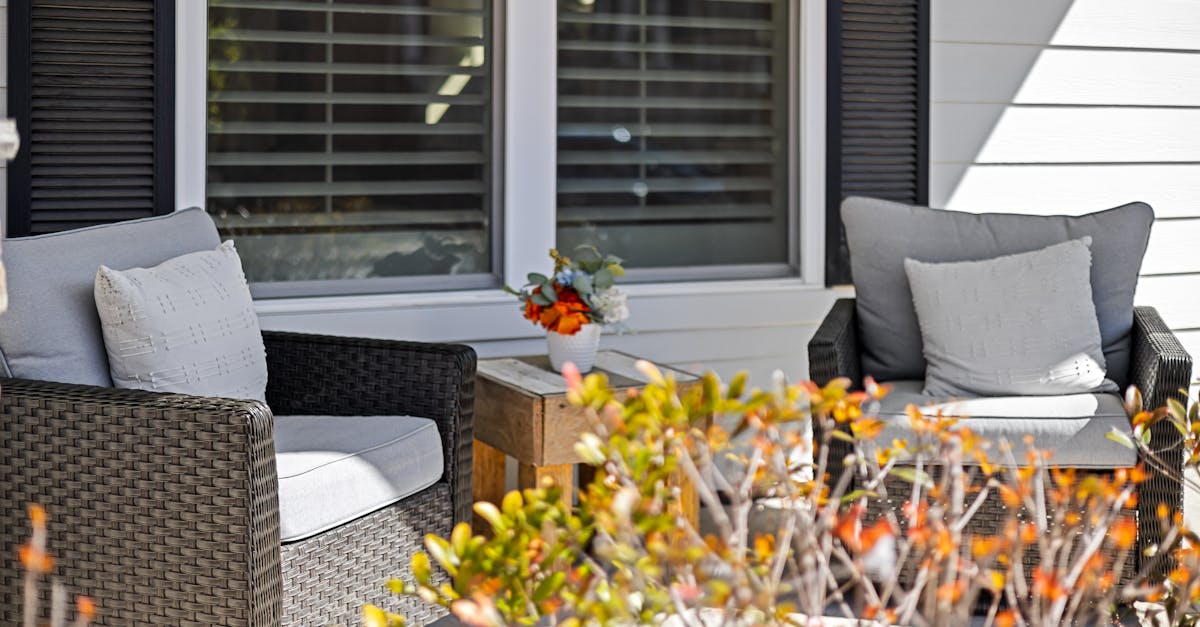
Once your structure and floor are resolved, the finish work inside the lanai envelope is where you customize for how you actually live. North Fort Myers outdoor living lanai projects increasingly include built-in kitchens, overhead fans, and weather-resistant furniture walls: features that add real resale appeal in a market where buyers frequently prioritize outdoor living space.
Outdoor kitchens in Southwest Florida should be built from marine-grade or polymer cabinetry, not wood-based materials. Stainless steel cabinet boxes or concrete block bases wrapped in porcelain or natural stone veneers are standard here. A basic outdoor kitchen (two-burner grill, side burner, small refrigerator, and eight linear feet of counter) runs $8,000–$15,000 installed. Full outdoor kitchen suites with a gas grill, pizza oven, sink, refrigerator, and 12–16 linear feet of quartz or granite countertop reach $20,000–$40,000 and require a licensed plumber for gas line extension and a licensed electrician for dedicated circuits. Both trades need separate permits pulled through Lee County.
Ceiling fans under a covered lanai must be UL-rated for damp or wet locations depending on how exposed the installation is. In a fully screened and covered enclosure, damp-location rating is sufficient. An open pergola requires wet-location-rated fixtures. Minka-Aire, Hunter, and Big Ass Fans all offer products designed for this application. Plan for one fan per 150–200 square feet of covered area to move air effectively in SWFL’s humid conditions.
Exterior-grade lighting (particularly LED strip lighting under soffits and in step risers) draws dramatically less power than incandescent equivalents, which matters when the outdoor zone is running fans, a refrigerator, and kitchen appliances simultaneously. A dedicated 20-amp outdoor circuit should be treated as a minimum for any meaningful outdoor kitchen or entertainment setup. Energy Star-certified outdoor lighting fixtures reduce operating costs noticeably over a Florida outdoor season that stretches ten to eleven months of meaningful use.
For flooring inside the covered area, large-format porcelain tile (24×24 or 24×48) in a matte or textured finish is practical and durable. LVP is gaining traction for covered lanai areas that are not fully weather-exposed, though the product must be rated for outdoor/wet applications; not all residential LVP is.
Budget Tiers and Project Timelines for North Fort Myers Outdoor Living Builds
Setting realistic expectations on cost and schedule is essential before you commit to a contractor. Outdoor living projects across Lee County vary significantly in scope, but the following tiers provide a working framework for a typical North Fort Myers property with a slab-on-grade foundation.
Entry-level screen enclosure (400–600 sq ft): $6,000–$12,000 total. Aluminum frame, standard screen, concrete slab extension if needed. Permit-pulled. Timeline: six to ten weeks from contract to completion, including permit review.
Mid-range covered lanai with insulated panel roof (400–600 sq ft): $18,000–$35,000. Includes insulated roof panels, upgraded screening or glass panels on the lower course, ceiling fans, and basic electrical. Timeline: eight to fourteen weeks.
Full outdoor living room with kitchen (600–900 sq ft): $45,000–$85,000+. Insulated or tile roof extension, travertine or porcelain pavers, built-in outdoor kitchen with gas, dedicated electrical circuits, landscape lighting, and ceiling fans. Timeline: twelve to twenty weeks, depending on permit review speed and material lead times.
Lee County permit review currently averages three to six weeks for residential addition permits. Material lead times for custom insulated panel systems, motorized louvers, and engineered aluminum extrusions can add two to four additional weeks. Plan for a total project window of three to five months for a comprehensive outdoor living build from permit submittal to final inspection sign-off.
Slab-on-grade construction in North Fort Myers typically means you are adding to an existing concrete pad or pouring a new extension. New pours require compacted fill, vapor barrier, and reinforcing per Lee County standards. If the new slab connects to a screened enclosure, the perimeter beam must also meet structural tie-down requirements per the Florida Building Code. A licensed Florida general contractor will detail these connections correctly at the design stage rather than correcting them at inspection.
Frequently Asked Questions
Do I need a permit for a screen enclosure in North Fort Myers?
Yes. Any new screen enclosure or patio cover addition in Lee County requires a building permit, structural engineering documents for spans over a certain threshold, and inspections at foundation, framing, and final stages. Unpermitted enclosures can create issues during home sales and insurance claims. Lee County permit applications are submitted through the Lee County Online Permitting Portal, and current plan review times run approximately three to six weeks for residential additions.
What screen mesh holds up best in Southwest Florida’s humidity and UV?
Standard 18×16 fiberglass mesh is common and affordable but can sag and fade in five to eight years under Florida UV. Aluminum mesh lasts longer but is stiffer and harder to repair. For pool cages, a 20×20 “no-see-um” mesh keeps out smaller insects. SuperScreen and similar reinforced polyester products resist tears better than fiberglass and carry longer manufacturer warranties. In high-salt-air zones close to the Caloosahatchee, aluminum mesh with a factory coating performs best long-term.
Can I add an outdoor kitchen to an existing screened lanai?
Yes, with the right approach. Gas line extensions require a licensed plumber and separate permit. Electrical circuits for refrigerators, lighting, and outlets require a licensed electrician and electrical permit. The outdoor kitchen structure itself (whether concrete block or polymer cabinet) needs to be anchored so it does not become a projectile in hurricane-force winds. A general contractor can coordinate all trades and permits so the work progresses without gaps or re-inspection delays.
How long does a typical lanai addition take from start to finish in North Fort Myers?
For a screened enclosure alone, expect six to ten weeks from contract execution to final inspection, with permit review accounting for three to six weeks of that window. A mid-range covered lanai with an insulated panel roof and basic finishes typically runs eight to fourteen weeks. Complex projects with outdoor kitchens, tile roof extensions, and full electrical and plumbing work can run twelve to twenty weeks. Lead times on engineered aluminum systems and specialty pavers have stretched in recent years, so ordering materials early after permit approval is standard practice.
Alliance Construction & Renovation is a licensed Florida general contractor serving North Fort Myers, Cape Coral, Fort Myers, and communities throughout Lee, Collier, and Charlotte counties. Our team handles permit-pulled outdoor living builds from initial design through final inspection, including engineered lanai structures, outdoor kitchens, and pool deck work that meets Lee County code. If you are ready to talk through your project, call us at (239) 771-2855 or visit our North Fort Myers remodeling page to schedule a consultation. We will walk your property, review your goals and budget, and give you a clear picture of what the project actually involves before you commit to anything.