
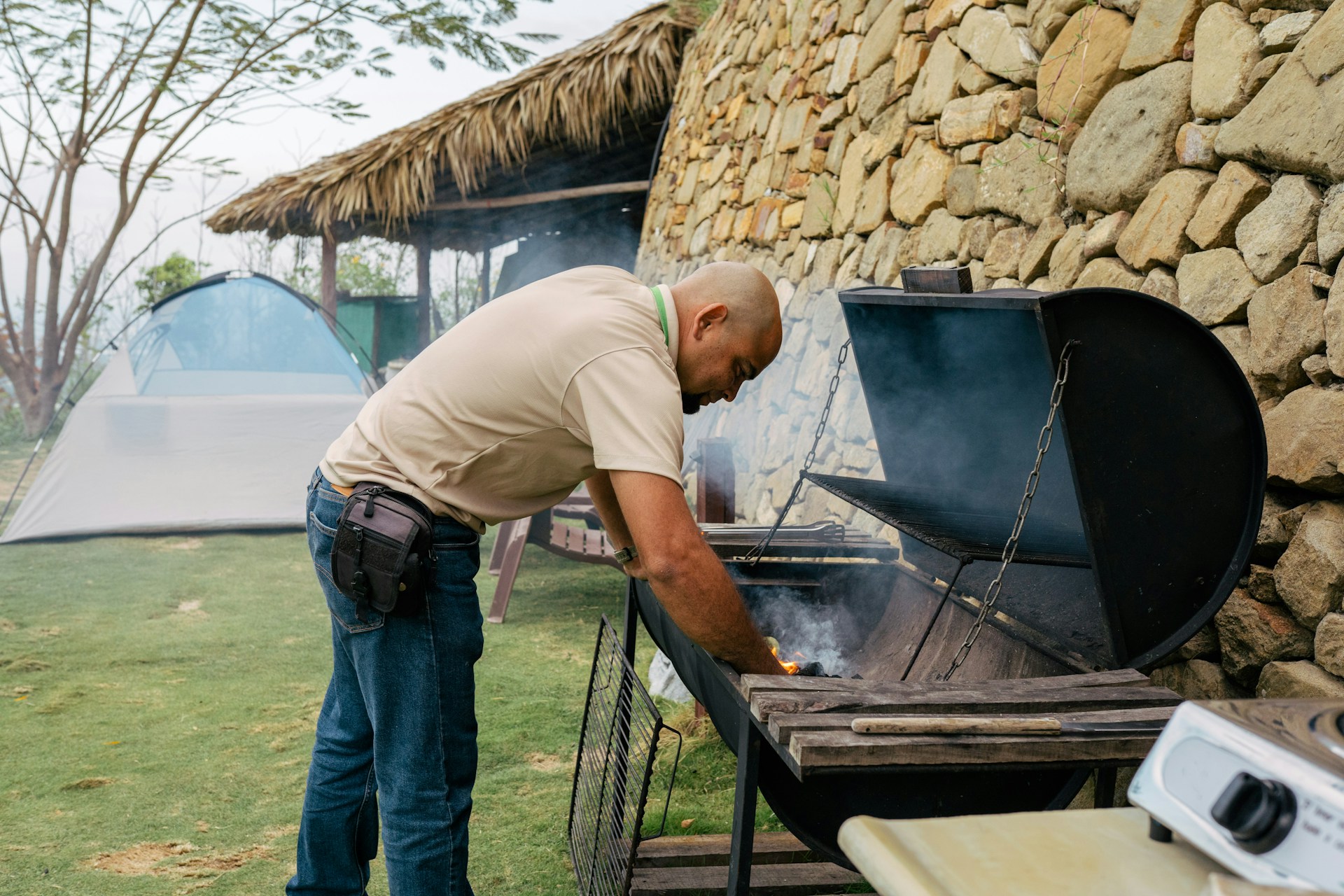
You’re ready to fire up the grill in your outdoor kitchen, maybe to cook for family or get started on a relaxing weekend. But then nothing happens. You turn the knobs, you press the ignition, and still no flame. A grill that won’t ignite can quickly take the fun out of cookouts, especially in a place like Fort Myers where outdoor kitchens are part of the lifestyle nearly year-round.
When a built-in grill doesn’t turn on, it’s more than just annoying. It’s a sign that something in the system isn’t working the way it should. It might be fuel-related, an issue with the ignition, or something else buried a little deeper. Knowing where to start can save time and frustration, and it also helps limit wear on your grill before a bigger breakdown happens. Let’s take a look at the key places you should check first when your outdoor kitchen grill isn’t cooperating.
Check The Fuel Source
Many ignition problems start with the most basic part of the system: the fuel. If your grill’s fuel source is disrupted even slightly, it can prevent the burners from lighting. Whether your outdoor kitchen uses a propane tank or is hooked into a natural gas line, it’s worth double-checking the setup before digging into anything more technical.
Here’s what to look at first:
– Make sure the fuel valve is fully open. Sometimes the knob can be accidentally turned just enough to restrict gas flow.
– If you’re using a propane tank, check the gauge to confirm there’s still gas left in the tank. It’s easy to forget how many uses are left.
– Inspect the hose or gas line for bends or kinks. Even a slight blockage can affect flow.
– Look for signs of leaks. If you smell gas or hear a hissing sound, shut everything off immediately and leave the area. Do not attempt to relight the grill.
– If your outdoor kitchen runs on a built-in natural gas line, verify that the shut-off valve hasn’t been closed during cleaning or maintenance.
Sometimes the issue has less to do with gas levels and more to do with the connection between the tank and the grill. The fittings may become loose or dirty, causing an inconsistent fuel supply. Always check that the connections are tight and clean, but don’t overtighten. If you’ve confirmed the tank has fuel and the lines appear secure but it still won’t light, that could be the sign of a deeper problem.
When anything related to the gas line feels off, it’s best to take caution and reach out to someone experienced. Gas issues can be serious, and trying to patch something up without the right tools can make things worse.
Inspect The Ignition System
Everything may be connected just fine, but if your grill uses an electric ignition and the spark won’t fire, that’s your next spot to check. Over time, grime or wear can mess with how well the igniter does its job. Some igniters use a battery, and if it’s dead or corroded, you might not be getting any spark at all.
To go through your ignition system step by step:
- Open the battery compartment on the igniter (usually a small cap near the ignition button). Replace the battery, even if it looks okay.
- Press the igniter with the gas off and listen for a clicking noise. No sound usually means a dead igniter or a loose connection.
- Use a flashlight to inspect the ignition port right by the burners. Grease or debris can block the path for the spark.
- If safe, clean the port with a soft brush or compressed air. Be gentle to avoid damaging anything.
- After cleaning and reassembling, try igniting again once you’ve confirmed everything is dry and in place.
One common example we’ve seen is a grill that sat through a few heavy storms without being used. Moisture got inside the igniter housing, leading to corrosion on the terminals. Even though the battery was new, it couldn’t finish the circuit, so the spark never traveled. If your grill has been exposed to the elements without a cover, this kind of issue can happen.
If replacing the battery and cleaning doesn’t fix the problem, or the ignition button feels loose or stuck, it’s time to stop fiddling and call for help. Ignition systems may seem simple, but there’s a mix of wires, switches, and parts that should be handled by someone who knows how they’re built. Trying to rebuild or rewire on your own might not only be confusing, it could be dangerous if done wrong.
Clean The Grill Components
After checking the ignition system, the next place to look is your grill’s physical condition. Grease, grime, and old food particles can lead to more than just foul smells. They can obstruct the burners, clog up air vents, and even prevent the spark from catching at all. You don’t have to be grilling every day for buildup to become a problem.
Start with a full inspection of your grill surfaces and internal parts:
– Remove the grates and give them a deep clean using a grill brush and warm soapy water.
– Check the burner covers and tubes for debris, spider webs, or rust. Any blockage there can stop gas flow or misdirect the flames.
– Clear out the drip trays and grease traps. These areas can accumulate a lot more than you think.
– Brush away ash or residue that may have fallen into hard-to-reach areas inside the firebox.
One helpful habit is to inspect your grill after each cookout, especially during the summer when it gets used more often. A regular wipe-down makes bigger buildups less likely and spotting early issues much easier. If your grill’s flame seems weak or uneven even after cleaning, there may be hidden damage to the burners. Don’t ignore this. Internal cracks or corrosion can be a sign that a replacement part or professional servicing is needed.
Skipping routine cleaning can lead to long-term wear, which adds up quickly in Fort Myers’ humid climate. Outdoor kitchens in this area deal with salt-heavy air, heat, and moisture nearly all year. It’s worth being proactive about maintenance so your space doesn’t suffer.
Troubleshoot Grill Electrical Problems
Modern outdoor grills come with more electrical elements than they used to. LED lights, digital temperature controls, or power-assisted ignitions all require working connections to function properly. If any of these features have stopped working, or the grill flat-out won’t power on, there might be an electrical issue behind it.
Here’s what to check:
– Look at the outlet or power source. Confirm the outlet is working by plugging in another device.
– Examine the power cord for any signs of fraying or loose attachment points on both ends.
– Check for a tripped GFCI at the outlet. Reset it if it’s popped.
– Look over fuses and circuit breakers tied to your outdoor kitchen area, especially if you’ve been experiencing moisture issues or power fluctuations.
– If your grill panel has a reset feature, try holding the button down for several seconds to reboot the system.
Electrical issues sometimes show up after rain or heavy humidity causes moisture to sneak into the panel or wires. If there’s any standing water near your outdoor kitchen, don’t use power until the area is completely dry. Damage to wiring, especially underground or behind built-in cabinetry, is something that should be repaired by someone qualified.
Tinkering with the electrical connections on your own not knowing where the wires lead or whether everything’s up to code can be risky. Everything from accidental shocks to long-term appliance damage can occur when electrical problems get pushed off or handled incorrectly.
Know When It’s Time To Call For Help
At a certain point, it’s better to stop troubleshooting and get a fresh set of eyes on the issue. Grills that consistently fail to ignite, stay lit unevenly, or show signs of deeper wear often need a professional evaluation, especially when more than one system seems affected.
These are signs you shouldn’t ignore:
– Fuel is flowing but none of the burners ignite or stay lit
– You hear the igniter click, but the flame doesn’t appear
– The grill heats unevenly, creating hot zones in just one area
– You smell gas around the unit even after checking for leaks
– Wires or control panels look damaged or wet
Outdoor kitchens that are custom-built may have integrations that increase the risk of hidden problems, everything from heat damage around the cabinetry to gas lines running under stonework. Instead of guessing at fixes, hiring an experienced professional helps you catch the exact cause without risking your setup.
In Fort Myers, where outdoor entertaining is part of everyday life, a reliable grill isn’t a bonus, it’s expected. Keeping yours in working condition saves you time, lowers the chance of injuries, and helps protect the investment you’ve made in your space.
Keep Grilling Hassles From Taking Over Your Backyard
A grill that won’t start doesn’t have to be a major setback, but ignoring the signs or forcing a workaround usually leads to bigger problems. Whether it turns out to be a simple connection issue or a mix of clogged burners and electrical glitches, catching it early helps get your grilling back on track with less hassle.
Regular inspections, cleaning, and maintenance go a long way, but there are plenty of issues that can hide beneath the surface of a custom outdoor kitchen. And when fuel systems, wiring, and built-ins work together, it takes someone who understands the whole setup to handle repairs safely and correctly.
If your grill has stopped working, or if you’ve tried restarting it over and over with no luck, it’s time to bring in someone with the right experience. Keeping your Fort Myers outdoor space in peak condition starts by making sure the features you rely on are ready when you are.
If your outdoor kitchen feels more frustrating than functional, it might be time to consider a solution that brings joy back to your backyard. Our team at Alliance Construction is ready to help upgrade your space through our custom construction services, designed to create long-lasting and personalized outdoor setups. Stop by our showroom for more ideas and see how we can turn your grilling area into something truly enjoyable.
We Serve Southwest Florida
Alliance Construction provides remodeling services in Cape Coral, Naples, Bonita Springs, Estero, North Fort Myers, and Punta Gorda. View all services →