
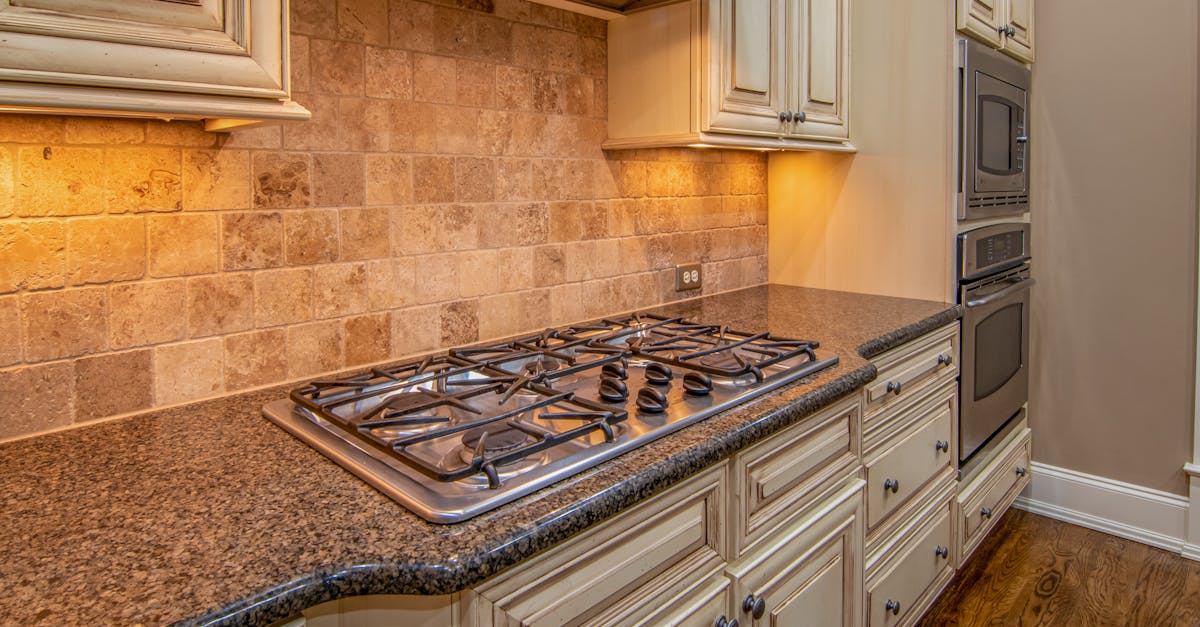
Choosing between quartz vs granite for a Florida kitchen is one of the most common decisions homeowners face during a remodel in Fort Myers, Cape Coral, and across Southwest Florida. On paper, both materials look great in a showroom. In practice, your kitchen countertop has to survive year-round humidity that rarely dips below 70%, salt-air infiltration if you live within a few miles of the coast, and the thermal cycling that comes with running your AC twelve months a year. This guide breaks down how each material performs under real SWFL conditions (covering durability, sealing requirements, cost per square foot, and how each integrates with cabinet and tile choices common to the region) so you can make a confident, code-aware decision before your contractor pulls a single permit.
How Florida’s Climate Affects Countertop Materials
Southwest Florida’s climate is genuinely different from the national average, and it matters for countertop selection in ways that showroom salespeople rarely discuss. Lee County averages around 54 inches of rainfall per year, and indoor relative humidity stays at 65–75% even in air-conditioned spaces. Coastal homes within five miles of the Gulf deal with salt-laden air that accelerates oxidation of metalite inclusions in natural stone and degrades unsealed porous surfaces faster than in drier climates.
Granite is a natural igneous rock with a crystalline structure that includes feldspar, mica, and quartz minerals in varying concentrations. That heterogeneous composition means porosity varies significantly: lighter granites like Colonial White tend to be more porous than denser, darker varieties like Absolute Black. In a humid Florida kitchen, a porous granite that hasn’t been properly sealed can absorb moisture vapor over time, potentially harboring bacteria and causing staining from cooking oils, citrus juice, and the iron-rich well water common in parts of Lehigh Acres and eastern Lee County.
Quartz engineered stone, by contrast, is approximately 90–94% ground quartz crystals bound with polymer resins and pigments. That manufacturing process produces a non-porous surface rated to less than 0.1% water absorption. In practical terms, Florida’s humidity cannot penetrate the surface, and you don’t need to worry about annual sealing cycles. The polymer binders do have a thermal threshold (sustained heat above roughly 300°F can cause discoloration or warping) so you’ll still want to use trivets near your range.
Understanding these material-level differences is the foundation for every comparison that follows. A countertop that performs beautifully in a dry Phoenix kitchen may behave quite differently in a Bonita Springs home where the air conditioning runs from February through November and the air never fully dries out.
Durability, Sealing, and Long-Term Maintenance in SWFL Conditions
Durability in a Florida kitchen is about more than scratch resistance. It also means resistance to moisture intrusion, UV exposure from large impact-rated glass doors and windows common in post-2002 construction, and the occasional impact from a cast-iron skillet or ceramic tile dropped during renovation.
Granite Sealing Requirements
Granite requires periodic sealing: typically once every one to three years depending on the stone’s density and how heavily the kitchen is used. In a high-humidity SWFL home, that maintenance interval is meaningful. An unsealed or under-sealed granite surface can develop dark water rings near the sink, and iron-bearing stones can show rust-like discoloration when exposed to moisture over time. Professional sealing costs roughly $75–$150 per application for an average kitchen. When you factor that in over a 20-year ownership period, it adds $500–$1,500 to the total lifecycle cost; not a deal-breaker, but worth budgeting honestly.
Quartz Maintenance Profile
Quartz requires no sealing and resists staining from citrus, wine, and cooking oil without any special treatment. Cleaning with a mild dish soap and warm water is generally all you need. The tradeoff is UV sensitivity: some quartz lines, particularly lighter-colored resin-heavy slabs, can yellow or fade near windows over years of direct Florida sun exposure. If your kitchen has a large south- or west-facing window (common in mid-century CBS (concrete block and stucco) homes that were laid out before energy efficiency was prioritized) ask your supplier specifically about UV inhibitors in the resin blend.
Impact and Chip Resistance
Granite, being a natural stone, can chip at edges if struck by a heavy object, particularly at the vulnerable corners of square-edge profiles. Eased or ogee edge profiles resist chipping better than a sharp 90-degree edge. Quartz engineered stone is somewhat more flexible due to its resin content and tends to resist chipping slightly better at edges, though it is not chip-proof. Both materials rate 6–7 on the Mohs hardness scale, meaning a steel knife won’t scratch either surface under normal use.
Cost Comparison: Installed Price in Fort Myers and Cape Coral
Material and installation costs vary by slab color, complexity, edge profile, and contractor, but you can expect realistic installed ranges in the Fort Myers and Cape Coral market to look like this:
- Granite (installed): $55–$110 per square foot, with entry-level domestic stones near the lower end and imported exotics (Brazilian quartzite, leathered finishes) pushing toward $130+.
- Quartz (installed): $70–$130 per square foot for mid-range engineered brands. Budget-tier quartz from offshore manufacturers can come in near $55–$65, but slab consistency and color matching on future replacement pieces are common concerns.
For a typical Southwest Florida kitchen with 45–55 square feet of countertop area, expect a total installed cost of $2,500–$5,000 for granite and $3,200–$6,500 for quartz using mid-grade materials. Those numbers assume standard sink cutouts, a single radius corner, and an eased edge. Waterfall edges, full-height backsplash slabs, or custom island overhangs will add material and labor.
One cost variable specific to Florida: granite and quartz slabs are heavy, and slab delivery to barrier islands like Sanibel or Pine Island can involve ferry or restricted-access routing that adds $150–$400 to freight costs. Discuss delivery logistics with your contractor and fabricator before finalizing the estimate.
Labor costs in Lee County have trended upward since Hurricane Ian, as skilled trades remain in high demand. Budget for countertop fabrication and installation as a line item separate from your general contractor markup, typically $10–$18 per square foot for templating, cutting, and setting. Permit requirements vary: countertop replacement alone typically doesn’t require a standalone permit in Lee County, but if it’s part of a full kitchen remodeling project, a building permit through Lee County’s Development Services will cover the full scope of work.
Aesthetics, Design Compatibility, and Cabinet Pairings
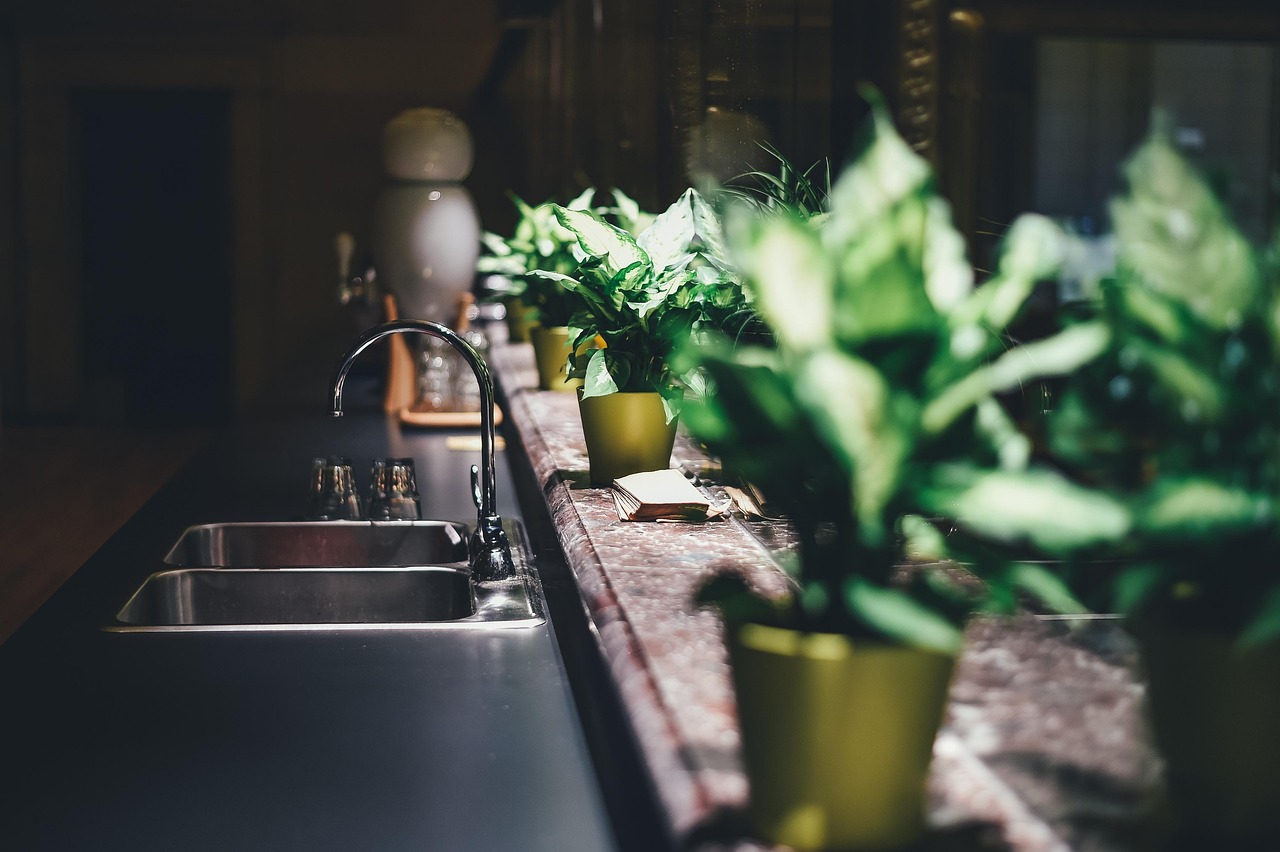
Both materials integrate well with the cabinet and tile choices most common in Southwest Florida kitchens, but they serve different design intentions. Granite offers genuine geological variation: no two slabs are identical, and the movement in stones like Calacatta Gold-look granite or Blue Bahia adds organic complexity that engineered stone can approximate but rarely fully replicate. If your kitchen design is leaning toward warm wood tones, shaker-style custom cabinetry, or a tropical-modern aesthetic popular in Naples and Estero waterfront homes, granite’s natural character often integrates beautifully.
Quartz dominates the contemporary and transitional kitchen market in part because its consistency is a design asset. When you need a clean white surface with no dramatic veining (think a crisp Silestone Iconic White or Caesarstone Pebble) quartz delivers uniformity that granite cannot. That predictability is also valuable when matching backsplash tile. Large-format porcelain tile backsplashes in 12×24 or 24×48 formats, increasingly popular in SWFL new construction and remodels, tend to coordinate more cleanly with the controlled palette of engineered quartz.
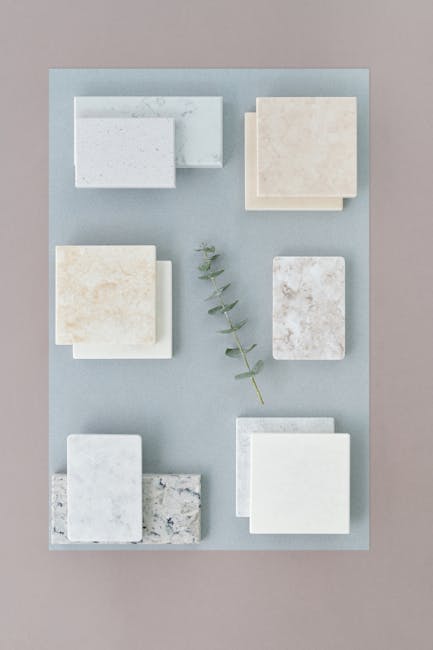
For semi-custom or stock cabinets in painted white or light gray (the most common cabinet finish in Fort Myers kitchens built or renovated after 2015) both materials work. For stained wood cabinets, consider that quartz veining patterns are typically linear and manufactured, while granite’s natural movement may complement the organic grain of the wood more naturally. Your fabricator should be able to show you full slab images, not just small samples, before you commit. The color and pattern you see in a 4×4 sample can look dramatically different across a 10-foot island slab.
Countertop thickness also matters aesthetically and structurally. Standard slabs come in ¾-inch (2cm) and 1¼-inch (3cm) thicknesses. In Florida kitchens, 3cm is generally preferred for its visual weight and because it doesn’t require plywood substrate support, reducing one potential moisture-exposure point in a high-humidity environment.
Resale Value and Buyer Expectations in the SWFL Market
Southwest Florida’s real estate market includes a significant proportion of snowbird buyers and seasonal residents evaluating homes for investment durability, not just immediate livability. Both granite and quartz are considered premium finishes that support above-average resale positioning, but buyer preferences have shifted. In the current Punta Gorda, Bonita Springs, and Naples market, quartz is increasingly viewed as the baseline expectation in a renovated kitchen, while distinctive granite (particularly high-movement exotics or leathered-finish slabs) can still differentiate a listing positively.
According to industry data from the National Association of Home Builders (NAHB), kitchen renovations consistently rank among the highest ROI home improvements. In the SWFL context, that return is amplified when finishes align with what coastal buyers are seeing in model homes and new construction, which currently means quartz-forward kitchens with undermount sinks, integrated USB outlets, and soft-close cabinet hardware.
That said, if your home is a mid-century CBS house in Fort Myers or North Fort Myers (the kind built between 1960 and 1985 with terrazzo floors and jalousie windows that have since been retrofitted with hurricane impact glass) a dramatic granite slab can honor the home’s character while signaling a quality renovation. Context matters. The right countertop is the one that fits the home’s architecture, the owner’s maintenance tolerance, and the realistic buyer pool in your specific neighborhood.
From a practical standpoint, either material installed professionally by a licensed Florida general contractor, with permit-pulled work where applicable, will serve a SWFL kitchen well for 20 to 30 years or more under normal use conditions.
Frequently Asked Questions
Does granite need to be sealed more often in Florida’s humidity than in other states?
Yes, in practical terms. High ambient humidity in Southwest Florida means moisture vapor is more consistently present in your kitchen environment, and a compromised seal allows that moisture to penetrate porous granite surfaces more readily than in drier climates. Most fabricators recommend sealing every one to two years for kitchens in Fort Myers, Cape Coral, and coastal Lee County, compared to every two to three years in drier parts of the country. A simple water bead test tells you when resealing is needed.
Can quartz countertops yellow near sunny Florida windows?
Some quartz products are more UV-stable than others. Resin-heavy blends or products without UV inhibitors can show gradual yellowing or color shift with prolonged direct sun exposure: a real concern in south- and west-facing SWFL kitchens. Ask your supplier for the manufacturer’s UV stability rating and look for products with UV-resistant resins. Pairing quartz with impact-rated low-e glass helps reduce UV transmission into the kitchen while also meeting Florida Building Code 7th Edition wind requirements.
Which countertop material handles cast-iron and ceramic cookware impact better?
Both granite and quartz rate similarly on hardness, but quartz engineered stone has a slight advantage in chip resistance at edges due to its polymer binder content. Natural granite, especially at sharpened edge profiles, can chip if struck by a heavy pan at the right angle. For active cooking households (particularly those using cast-iron, heavy ceramic, or stone mortars common in Latin-influenced SWFL cooking styles) an eased or beveled edge profile on either material reduces chip risk compared to a sharp 90-degree edge.
What’s a realistic total budget for countertop replacement in a Fort Myers kitchen?
For a typical 45–55 square foot Fort Myers kitchen, expect $2,500–$5,000 installed for mid-grade granite and $3,200–$6,500 for mid-grade quartz. Exotic slabs, waterfall island edges, or unusual site conditions (such as barrier island delivery or working around existing tile in an older CBS home) push costs higher. These figures assume no cabinet modification; if your renovation includes new cabinetry, plan for a full kitchen project budget starting around $18,000–$35,000 depending on scope and finish level.
When you’re ready to move forward with a kitchen renovation in Lee, Collier, or Charlotte County, the team at Alliance Construction & Renovation is here to help you navigate material selection, code-compliant permitting, and professional installation from start to finish. As a licensed Florida general contractor, we manage countertop projects as part of full kitchen remodeling scopes: coordinating fabricators, plumbers, and electricians so your project runs on schedule. Call us at (239) 771-2855 to schedule a consultation and get an accurate, detailed estimate for your Fort Myers or Cape Coral kitchen.