
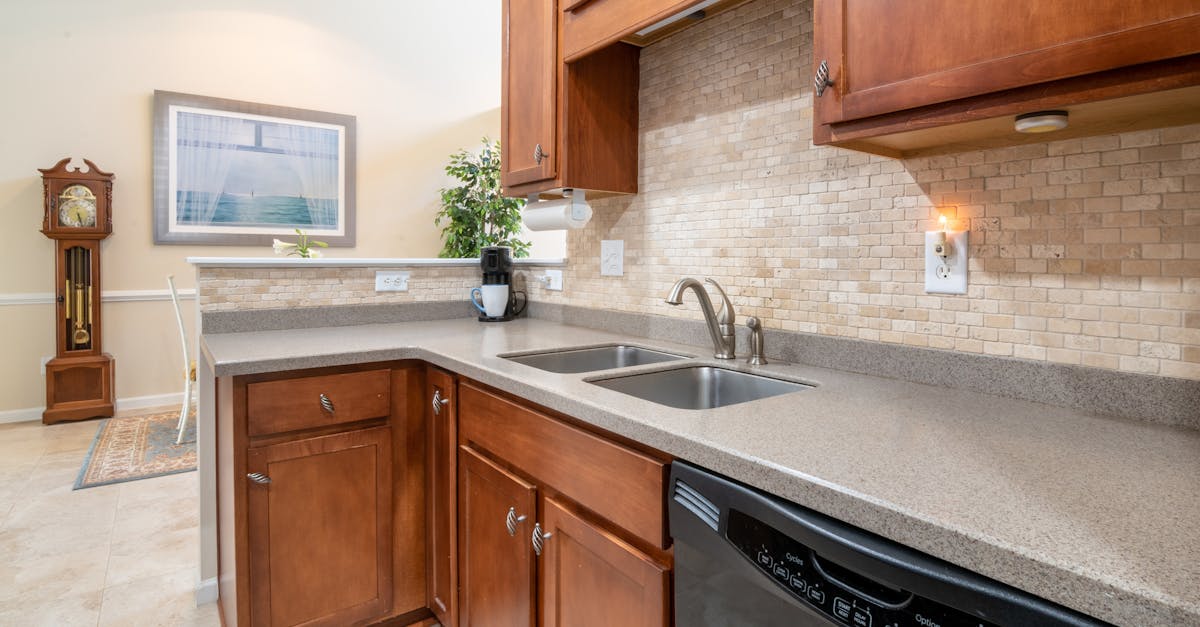
Planning a Punta Gorda kitchen remodel timeline before the first cabinet is pulled saves you from the most common frustration homeowners face: discovering mid-project that decisions weren’t made early enough to keep the schedule moving. Charlotte County kitchens carry a few wrinkles that don’t show up in generic remodeling guides: slab-on-grade plumbing reroutes, year-round humidity above 70 percent, and permit processing through the Charlotte County Building Division that can add days or weeks if submittals are incomplete. Whether your home is a mid-century concrete-block structure near the Peace River or a newer CBS build in Burnt Store Marina, this week-by-week breakdown gives you a realistic picture of what happens, when, and why delays occur; so you can plan meals, travel, and occupancy around an actual construction sequence.
Pre-Construction Phase: Design, Permits, and Material Lead Times
The work that happens before demo day is the single biggest variable in any Punta Gorda kitchen remodel timeline. Skipping or rushing this phase is what turns a six-week project into a four-month ordeal. Expect to spend two to six weeks in design and permitting before a single cabinet comes off the wall.
Start with a full set of drawings. A licensed Florida general contractor will produce permitted drawings that address structural changes; if you’re removing a load-bearing wall, those plans need an engineer’s stamp under the current Florida Building Code. Charlotte County typically reviews residential kitchen permits in five to fifteen business days for straightforward projects; add another week if your plans include plumbing or electrical panel work.
Material lead times are where snowbird schedules get derailed. Semi-custom cabinet lines average four to six weeks from order to delivery. Custom cabinetry often runs eight to twelve weeks. Quartz countertop slabs need templating after cabinet installation, then fabrication adds one to two weeks. Order cabinets the day you finalize your layout (not after the permit is approved) so the two timelines run in parallel rather than in sequence.
Your pre-construction checklist should include:
- Finalized floor plan and elevation drawings
- Cabinet order placed with confirmed lead time
- Appliance delivery date confirmed (wide ranges can sit in a garage)
- Countertop material selected and slab reserved
- Plumbing and electrical subcontractors scheduled
- Permit application submitted
A realistic pre-construction window is three to five weeks for a standard kitchen scope. Budget $500–$1,500 for permit fees in Charlotte County depending on project valuation.

Week 1–2: Demolition and Rough-In Work
Once the permit is posted, the physical project begins. Demolition on a typical 150–250 square foot Punta Gorda kitchen runs one to three days depending on whether you’re stripping to studs or doing a partial gut. Cabinets, drywall, flooring, and the existing countertops come out. If your home was built before 1980, expect an asbestos or lead-paint test to be completed before demo; this is standard practice in older CBS homes near the harbor and can add a day for lab results.
After demo, rough-in work begins immediately. This covers three trades running simultaneously when properly scheduled:
- Plumbing rough-in: Slab-on-grade construction means any drain relocation requires cutting the concrete slab: a jackhammer operation that adds $800–$2,500 depending on how far the drain moves. This is one of the most common budget surprises in SWFL kitchen remodels. If your layout doesn’t change the sink location, you avoid this cost entirely.
- Electrical rough-in: Modern kitchens require 20-amp dedicated circuits for countertop appliances under Florida Building Code. If your panel is already at capacity, a sub-panel or service upgrade adds time and cost: typically $1,200–$3,000.
- HVAC rough-in: Duct extensions or new return-air grilles to serve the remodeled layout get roughed in at this stage.
Rough-in inspections from Charlotte County must pass before walls close. Scheduling the inspector promptly (typically within 24–48 hours of calling in) keeps you from losing days waiting. A competent general contractor tracks inspection windows and coordinates trades to avoid idle time.
By the end of Week 2, walls should be insulated, drywall hung, and the kitchen should be taped and primed. Ceramic tile or LVP flooring installation can begin on the subfloor at this point in some sequences, though many contractors prefer to set flooring after cabinets to reduce cut-and-chip risk.
Week 3–4: Cabinet Installation and Mechanical Trim-Out
Cabinet installation is the visual turning point of any kitchen remodel: the moment the space starts looking like a kitchen again. For a standard 200-square-foot Punta Gorda kitchen, a two-person cabinet crew typically needs three to five days to hang, level, and secure base and wall cabinets on slab-on-grade construction where floors are rarely perfectly level.
Punta Gorda’s year-round humidity (averaging above 70 percent) makes material selection critical at this stage. Solid wood face-frame cabinets can swell and rack in a kitchen that loses air conditioning for extended periods, which matters in homes with snowbird occupancy patterns where HVAC may be set back aggressively. Plywood-box construction with a thermofoil or painted MDF door profile performs better in these conditions than particleboard-core boxes. Discuss moisture-resistance ratings with your contractor before ordering.
While cabinets are going in, plumbing and electrical trim-out begins on the rough-in work completed in Week 1–2. This includes:
Plumbing Trim-Out
Sink base, disposal rough-in connection, dishwasher supply and drain stubs, and any pot-filler rough-in get set to finished positions. Don’t finalize the faucet hole size until you’ve confirmed your faucet brand: 1-hole vs. 3-hole configurations differ.
Electrical Trim-Out
Outlet boxes, switch boxes, and under-cabinet lighting rough-in wiring get positioned. Recessed lighting cans in the ceiling should be installed before drywall texture if they weren’t already: a commonly missed sequencing step that forces patch work later.
Countertop Templating
Once base cabinets are level and secured, the countertop fabricator sends a templating crew; usually one day after cabinet completion. Quartz and granite slabs then go into fabrication, typically returning for installation in seven to ten business days. This built-in wait is where most kitchen timelines extend. Plan your occupancy around this gap.
Week 5–6: Countertops, Backsplash, Fixtures, and Appliances
Countertop installation day is typically a two- to four-hour operation for a standard kitchen. Quartz slabs (currently the most popular countertop surface in Southwest Florida remodels due to their resistance to UV discoloration, heat, and staining) arrive pre-cut and are secured with silicone adhesive. Porcelain slab countertops are gaining traction as a durable alternative, particularly in coastal Punta Gorda homes where salt-air corrosion within five miles of Charlotte Harbor can degrade certain finishes over time.
Once countertops are set and silicone has cured for 24 hours, the backsplash tile work begins. Ceramic tile, porcelain mosaic, and large-format porcelain slabs are common choices. A standard kitchen backsplash of 30–50 square feet takes one to two days for a tile setter, plus a day for grout cure before sealing. If you’ve selected a kitchen design with a full-height slab backsplash to the upper cabinets, budget an extra day of labor and confirm slab remnant availability with your fabricator before finalizing the design.
Appliance installation follows countertop completion. Slide-in ranges drop into position; dishwashers connect to the plumbing stubs set in Week 3; over-the-range microwaves or range hoods mount to the wall or cabinet above the range. Built-in refrigerators have their own delivery and installation sequence: confirm clearances before delivery day or you risk damaged door frames.
Lighting fixtures, switch plates, outlet covers, cabinet hardware, and sink/faucet installation all happen in this window. Each item takes less than an hour individually, but the combined punch list is longer than most homeowners expect: budget two to three full days for finish-out details.
Final plumbing and electrical inspections are called in at this stage. In Charlotte County, final inspections for kitchen remodels are typically scheduled within two to five business days of the call-in. A passed final inspection results in a Certificate of Completion, which is important documentation for Punta Gorda home remodeling projects if you sell the property or make an insurance claim.
Week 6–7: Flooring, Paint, Punch List, and Turnover
If flooring was deferred to post-cabinet installation (the sequence many experienced contractors prefer) it goes down in the final week. LVP (luxury vinyl plank) is the dominant flooring choice in SWFL kitchens for good reason: it handles the humidity swings, resists water intrusion from appliance leaks, and installs over slab-on-grade without the height complications that hardwood brings. Porcelain tile remains a strong option, particularly in homes where the kitchen flows into a tile-floored living area, though grout maintenance in a busy kitchen can be a drawback some homeowners underestimate.
Paint touch-up, crown molding, and base trim installation close out the visual finish work. If you’ve added new drywall or skim-coat patches, confirm that texture is matched to the adjacent walls: in Charlotte County homes with knockdown or orange-peel finishes, a poorly matched patch reads as amateur work from ten feet away.
The punch list walkthrough with your contractor should be structured, not casual. Walk the space with the project manager and physically test every item: open and close every drawer and door, run water at every fixture, cycle the dishwasher, check that every outlet is live, confirm that every light switch operates the correct fixture. According to NAHB remodeling guidelines, a formal punch list process reduces post-project callbacks by a significant margin: don’t skip it.
A realistic total timeline for a complete Punta Gorda kitchen remodel runs six to eight weeks of active construction, plus three to five weeks of pre-construction. Total project duration from first consultation to move-in: nine to thirteen weeks for most scopes. Larger kitchens with structural changes, custom cabinetry, or high-complexity tile work can extend to sixteen weeks. Costs in 2024–2025 range from $28,000–$55,000 for a mid-range remodel and $60,000–$100,000+ for a full custom renovation in Charlotte County.
Frequently Asked Questions
Do I need a permit for a kitchen remodel in Punta Gorda?
Yes, in most cases. Any kitchen remodel that involves moving or adding plumbing, modifying electrical circuits, or altering walls requires a permit through the Charlotte County Building Division. Cosmetic work (painting, replacing cabinet doors, swapping out a faucet) typically does not. Pulling permits protects you at resale and ensures inspections catch code deficiencies before they become costly problems. A licensed Florida general contractor handles permit applications as part of the project scope.
What causes the most delays in a kitchen remodel timeline?
Late material delivery is the leading cause: particularly cabinets ordered after permit approval rather than simultaneously. Slab-on-grade plumbing surprises during demo (unexpected pipe locations, failed cast-iron drains in older homes) add unplanned days. Inspection scheduling and countertop fabrication turnaround are built-in waits that cannot be compressed. Having all selections finalized before demolition starts is the single most effective way to stay on schedule.
How disruptive is a kitchen remodel for full-time Punta Gorda residents?
Plan for four to six weeks without a functional kitchen. Set up a temporary cooking area with a microwave, electric skillet, and mini-fridge. Dust migration is real: seal off adjacent rooms with plastic sheeting, especially if you have asthma or allergies. A reputable contractor establishes daily cleanup protocols and protective floor covering throughout the project. If you have flexibility to travel during the countertop fabrication wait, Weeks 4–5 are the lowest-disruption window to be away.
What is the biggest budget surprise in a Punta Gorda kitchen remodel?
Slab cutting for drain relocation is the most common unexpected cost: $800–$2,500 depending on distance moved. Electrical panel upgrades when existing panels are at capacity run $1,200–$3,000. Water damage found behind existing cabinets, particularly in homes within five miles of Charlotte Harbor where salt-air humidity accelerates wood rot, can add $500–$5,000 in remediation depending on extent. A thorough pre-demo inspection by your general contractor reduces, but cannot eliminate, these discoveries.
If you’re ready to move from rough schedule to a real project plan, the team at Alliance Construction & Renovation is ready to help. We’re a licensed Florida general contractor serving Punta Gorda, Port Charlotte, and throughout Charlotte County. Our permit-pulled, code-compliant work comes with a structured timeline and clear communication at every phase. Call us at (239) 771-2855 to schedule a consultation, or visit our Punta Gorda remodeling page to learn more about our full scope of services in your area.