
Installing a mini split for a garage or lanai in Florida is one of the more practical upgrades Southwest Florida homeowners make, and one of the most frequently mishandled. Whether you’re converting a three-car garage in Cape Coral into a workshop, finishing a bonus room above a Bonita Springs home, or enclosing a lanai in Fort Myers to gain year-round living space, the decision to add ductless cooling instead of extending your central HVAC system has real consequences for comfort, energy costs, and permitting. This guide covers how to size a unit correctly for SWFL’s year-round heat load, how to route refrigerant lines through CBS walls, what Florida Building Code requires, and how to avoid the three most common installation mistakes contractors see in Lee and Collier counties.
Why Extending Central HVAC to a Garage or Lanai Rarely Works in SWFL
Most Fort Myers and Cape Coral homes were built with central air systems sized precisely for the conditioned square footage inside the thermal envelope: nothing more. Tapping a supply trunk to push conditioned air into a garage or open lanai creates two problems: it starves the rooms already on that branch, and the new space typically isn’t insulated or sealed well enough to hold the setpoint. In Florida’s Climate Zone 2, where outdoor temperatures sit above 90°F for five to six months and humidity runs above 70% year-round, an undersized or improperly zoned system fights a losing battle.
The ductwork run itself creates a second complication. Garage ceilings in mid-century concrete block (CBS) homes common throughout Lee County are often uninsulated slabs with steel trusses, and routing flex duct through unconditioned attic space (where radiant temperatures can exceed 140°F in August) introduces heat gain that wipes out efficiency before the air reaches the register. A sealed lanai presents the same issue from a different angle: glass or screen enclosures facing southwest collect intense afternoon solar load, and a single poorly placed supply duct simply cannot overcome that heat without overcooling the rest of the house.
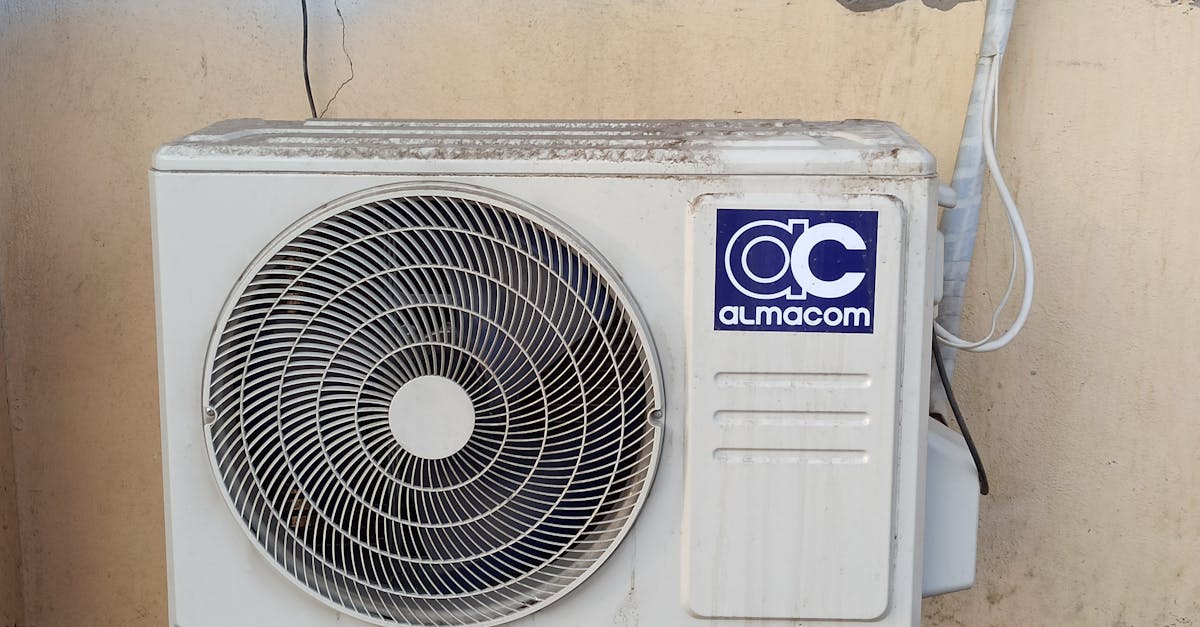
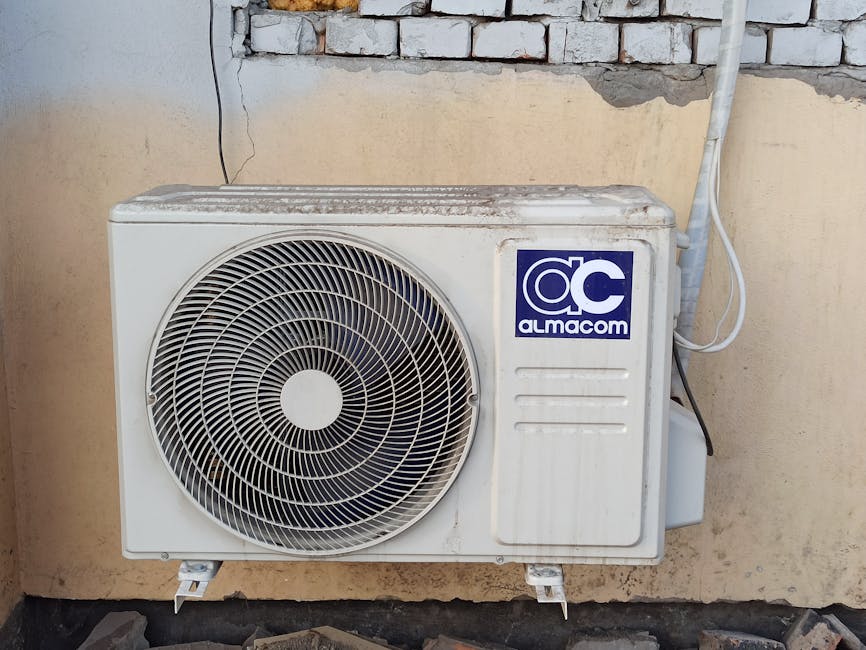
A ductless mini-split addresses both problems. The indoor air handler mounts directly in the target space; the compressor sits outside on a concrete pad or wall bracket; refrigerant lines connect through a small core-drilled penetration, typically 2.5 to 3 inches in diameter. There is no duct heat gain, no branch-circuit starvation, and the inverter-driven compressor modulates output rather than cycling on and off at full capacity. The result is stable temperature and humidity control tuned specifically to that one zone.
Sizing a Mini-Split Correctly for Florida’s Heat Load
The most common mistake in mini-split sizing is using a generic rule of thumb (“600 square feet per ton”) without accounting for Florida’s specific conditions. A Manual J load calculation is the correct method, and the Florida Building Code requires one for permitted HVAC work. For garages and lanais, several factors push the load higher than a standard living room of the same square footage.
Garage Heat Load Factors
An uninsulated or minimally insulated garage in Lee County accumulates heat from multiple surfaces simultaneously: the roof deck above, the concrete slab below (which absorbs solar energy through the day and releases it at night), metal garage doors, and any west- or south-facing walls. A 500-square-foot, two-car garage with a standard 9-foot ceiling and a single insulated steel door often requires a 12,000–18,000 BTU (1–1.5 ton) unit. Add a workshop, woodworking equipment, or a chest freezer generating waste heat, and that load climbs further. If you plan to use the space regularly during July and August, budget for the higher end of the range.
Lanai and Enclosed Porch Load Factors
A screened or glass-enclosed lanai presents a different challenge. Glass or low-e polycarbonate panels transmit more solar radiation than a framed wall, and a southwest-facing lanai in Naples or Estero can accumulate 30–40 BTU per square foot per hour at peak insolation. A 300-square-foot enclosed lanai may require a 9,000–12,000 BTU unit just to maintain 78°F on a clear afternoon in June. If the lanai connects to the main living area through wide doorways, you’ll also need to consider spillover load. Ceiling height matters too: vaulted lanai ceilings over 10 feet add volume that requires additional capacity beyond the floor area calculation.
Dehumidification as a Primary Goal
In SWFL, humidity control is often as important as temperature. A mini-split operating in dry-mode or at a low-speed setting removes moisture from the air at a higher rate relative to sensible cooling, which is exactly what you need during the rainy season. Oversizing a unit (buying a 2-ton system for a space that needs 1.5 tons) is counterproductive in humid climates because a larger unit short-cycles, cooling the air quickly without running long enough to wring out the moisture. Proper sizing, not bigger sizing, delivers comfort.
Line Set Routing Through CBS Walls and Slab-on-Grade Construction
Southwest Florida’s housing stock is dominated by CBS (concrete block and stucco) construction, and routing refrigerant lines through or around those walls requires planning that differs significantly from wood-frame homes. The line set (the pair of copper refrigerant lines connecting the indoor head to the outdoor compressor) typically needs to pass through an exterior wall. On a CBS home, that means core drilling through 8-inch masonry, threading the lines through conduit or line-set cover, and sealing the penetration with an approved weatherproof compound to prevent air, water, and pest infiltration.
For garages, the compressor pad location matters more than most homeowners realize. Florida’s salt air environment (particularly within five miles of the coast in areas like Sanibel, Cape Coral, or Naples’ waterfront neighborhoods) accelerates corrosion on outdoor condensing units. Specify a unit with a factory-applied salt-spray coating or a coated coil (sometimes called a “Blue Fin” or “Gold Fin” coating), and mount the pad away from direct spray or pooling water. The pad itself should sit at least 4 inches above finished grade, both to satisfy Lee County code and to prevent flooding intrusion during heavy rain events. In FEMA AE flood zones common along the Gulf Coast, base flood elevation rules may require the compressor to be mounted higher (sometimes wall-bracketed) rather than pad-mounted at grade.
Line set length also affects system efficiency and refrigerant charge. Most residential mini-splits are pre-charged for a 25-foot line set. Runs beyond 25 feet require a refrigerant charge adjustment, and runs beyond 50 feet may require a larger-diameter line set or a different system architecture entirely. Keep the routing as short and direct as possible, avoid kinking the copper lines during installation, and insulate the suction line fully to prevent condensation: a real concern in SWFL’s humid air even inside a conditioned garage.

Permits, Electrical, and Florida Building Code Requirements
Mini-split installs require both a mechanical permit and an electrical permit in Lee County and throughout SWFL. A licensed Florida general contractor or a licensed HVAC contractor pulls the mechanical permit; a licensed electrical contractor pulls the electrical permit. Permit-pulled work protects you legally and financially: unpermitted HVAC work can complicate homeowner’s insurance claims and create problems at resale, particularly in the active real estate market across Fort Myers and Naples.
The electrical side is often where DIY or unlicensed installs fall short. Most mini-splits in the 9,000–18,000 BTU range require a dedicated 240-volt circuit with a 15–30 amp breaker and appropriately sized wire: typically 12 AWG for a 15-amp circuit or 10 AWG for a 20-amp circuit running in conduit. current Florida Building Code requires electrical work in garages to comply with NFPA 70 (the National Electrical Code), and a new circuit almost always requires a panel inspection. If the existing panel is at or near capacity (a common situation in older Cape Coral or Lehigh Acres homes) a sub-panel or panel upgrade may be necessary, adding to the project cost.
Expect Lee County permit approval timelines of three to ten business days for straightforward residential mechanical permits, though that can vary by reviewer workload. Plan your installation window accordingly, especially if you’re on a seasonal schedule and need the space ready before summer. For our outdoor living projects, we coordinate mechanical, electrical, and structural permits together to avoid separate inspection delays.
Wind-load requirements can also affect outdoor condenser mounting. Pad anchors, wall brackets, roof stands, elevation, and exposure should be reviewed for the project location before the mounting strategy is finalized. Discuss this with your contractor because it affects the structural connection detail, permit documentation, and cost.
Costs, Equipment Selection, and What to Expect During Installation
Material and labor costs for a single-zone mini-split install in SWFL currently run between $2,500 and $5,500 for most residential applications, depending on the unit capacity, brand tier, line set complexity, and electrical work required. A basic 12,000 BTU install with a short line set run, an existing panel circuit, and straightforward wall mounting sits toward the lower end. A 24,000 BTU system with a long line set, a new dedicated circuit, condenser wall-bracketing for flood elevation compliance, and a finished line-set cover trim along CBS exterior walls can reach the upper range or beyond.
For equipment, inverter-driven units from established manufacturers (Daikin, Mitsubishi, LG, Fujitsu, and similar) carry better reliability records and stronger parts availability than budget imported units. In a state where HVAC systems run twelve months a year, component longevity matters. Look for units with SEER2 ratings of 18 or higher; many current models qualify for federal energy efficiency tax credits. Energy Star–certified mini-splits may also qualify for utility rebates through FPL or LCEC, which can offset $100–$300 of equipment cost.
The installation itself typically takes one to two days for a single-zone system. Day one involves core drilling, line set routing, outdoor pad or bracket work, and indoor head mounting. Day two (sometimes the same afternoon) covers electrical rough-in, refrigerant line connection, system commissioning, and the mandatory pressure test. You’ll need the unit inspected before the wall chase or line-set cover is permanently closed. As part of our general contracting services, we schedule inspections and coordinate all trades so the job moves without unnecessary gaps between permit, rough-in, and final inspection.
Frequently Asked Questions
Can I install a mini-split in a screened lanai that isn’t fully enclosed?
A screened-only lanai without a solid roof panel or glazed enclosure is not an appropriate application for a mini-split. The system requires a conditioned or at least semi-enclosed space to maintain any meaningful temperature differential. If you’re considering enclosing the lanai before adding cooling, that structural and framing work should be completed, permitted, and inspected first. In Fort Myers and Cape Coral, screened enclosure additions require their own building permits separate from the HVAC permit.
How long will a mini-split last in the SWFL salt-air environment?
A properly specified, coated-coil outdoor unit in a coastal SWFL location can be expected to last 12–18 years with routine maintenance: annual coil cleaning, condensate drain flushing, and filter service. Without corrosion-resistant coatings and regular maintenance, expect 8–12 years. Units sited within a mile of saltwater without protective coatings often show significant coil degradation within five to seven years. This is one area where specifying the right equipment from the start pays for itself over the life of the system.
Does a mini-split require a condensate drain line?
Yes. The indoor air handler removes moisture from the air and generates condensate that must drain away. Most wall-mounted heads connect to a gravity drain line routed through the wall and terminated outside, typically near the outdoor condenser. In Florida’s humidity, a blocked or improperly sloped condensate line will overflow quickly and can cause water damage to the wall or ceiling. A properly installed condensate line includes a trap, runs with at least a 1/4-inch-per-foot slope, and terminates in a location that does not create a standing-water condition at grade.
Will a mini-split add value to my home if I sell?
Permitted, professionally installed HVAC in a garage or enclosed lanai is generally viewed positively by buyers and appraisers in SWFL, particularly as more buyers seek move-in-ready homes with flexible living space. Unpermitted systems, however, can create complications during inspection and disclosure. The key is ensuring the mechanical and electrical permits were pulled, inspections passed, and the work appears on the county permit record: something a licensed contractor handles as a matter of course, not an afterthought.
If you’re planning a mini-split install for a garage or lanai in Florida (or combining it with a lanai enclosure, garage conversion, or bonus room addition) Alliance Construction & Renovation is a licensed Florida general contractor serving Fort Myers, Cape Coral, Naples, Bonita Springs, and the surrounding SWFL region. We pull permits, coordinate all trades, and deliver Lee County code-compliant work from first measurement to final inspection. Call us at (239) 771-2855 to schedule a consultation, or learn more about our outdoor living and lanai services to see how a mini-split fits into a broader living space project.
We Serve Southwest Florida
Alliance Construction provides remodeling services in Cape Coral, Naples, Bonita Springs, Estero, North Fort Myers, and Punta Gorda. View all services →