
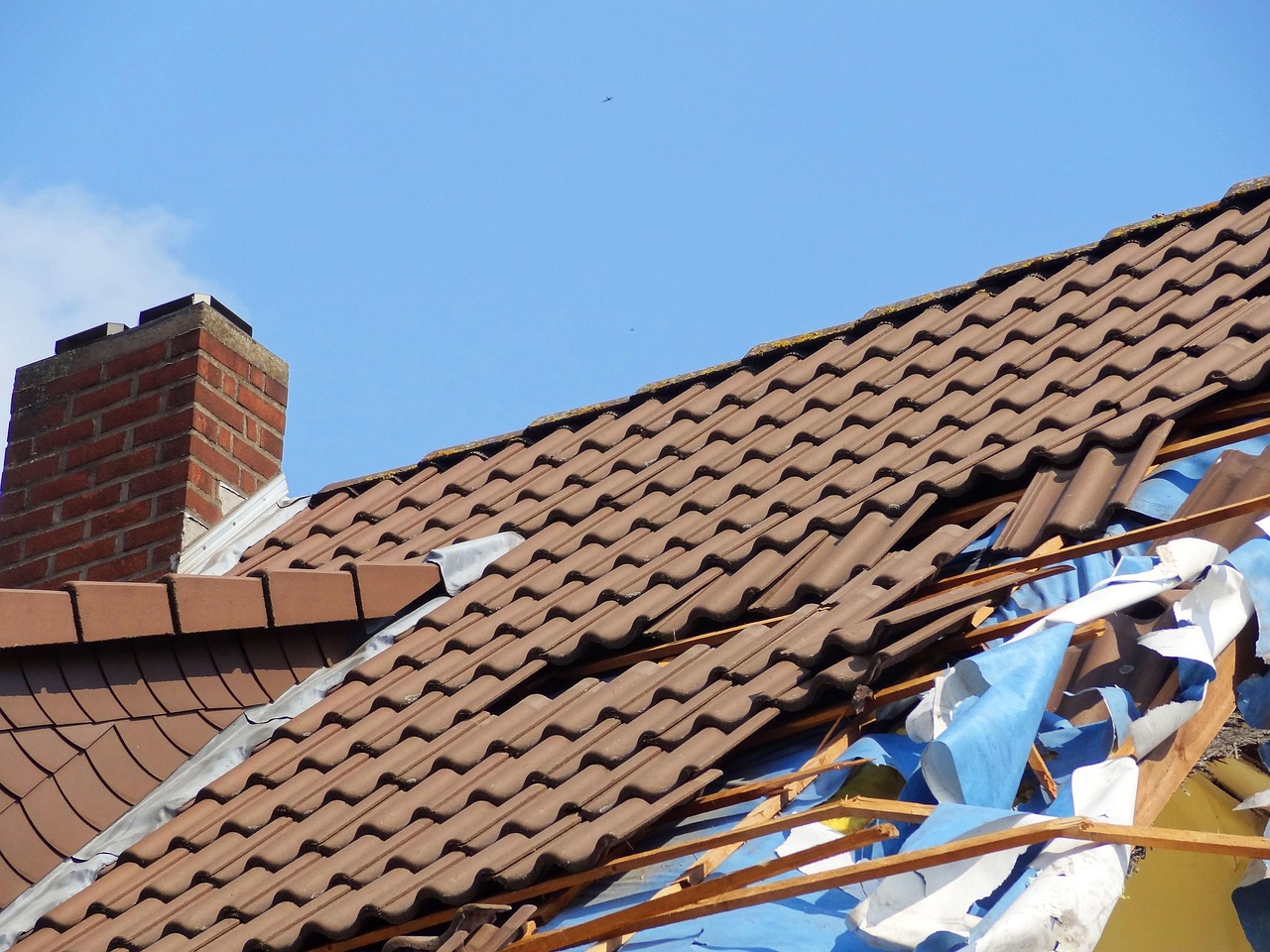
Every June 1st, Southwest Florida homeowners face the same reality: another Atlantic hurricane season has arrived, and the window to prepare your home is already closing. For those living in Lee, Collier, and Charlotte counties, a thoughtful hurricane season checklist for SWFL homeowners should account for current local wind-load, floodplain, opening-protection, and insurance-documentation requirements. This guide walks through every major system on your property, from roof to generator to documentation, so you can move through pre-season prep methodically rather than scrambling when the first named storm approaches the Gulf.
Roof Condition and Envelope Integrity: Your First Line of Defense
In SWFL, your roof is the single most consequential element of hurricane preparedness. Once the roof envelope fails, wind and rain intrusion can destroy interior finishes, structural framing, and personal property within minutes. Before June, schedule a professional inspection (not just a visual walk-around from the driveway) to assess the following conditions specific to Florida construction.
Tile roofs are the regional standard, covering the majority of homes in Lee and Collier counties. Concrete and clay tile systems can last 40–50 years, but the mortar beds, hip caps, and ridge caps are vulnerable after 10–15 years of thermal cycling and UV exposure. A licensed contractor should check for cracked or loose field tiles, deteriorated mortar at hips and ridges, and the condition of the underlayment beneath. Current Florida Building Code requires a secondary water barrier (typically a self-adhering peel-and-stick membrane underlayment) on all new and re-roofed tile systems. If your roof pre-dates this requirement, ask your inspector whether your underlayment is still providing meaningful protection.
Asphalt shingle roofs, more common on mid-century CBS (concrete block and stucco) homes and budget re-roofs, carry a realistic lifespan of 15–20 years in the Southwest Florida climate. Year-round heat, 70%+ humidity, and UV intensity degrade shingles faster here than in northern states. Look for granule loss, lifted tabs, and exposed fasteners. Any shingle roof older than 15 years warrants a conversation about replacement before hurricane season adds load.
Roof-to-wall connections are equally important. Older homes may have simple toe-nail connections that do not meet current ASCE 7-22 uplift requirements. A wind mitigation inspection (which can also lower your insurance premium) will document whether your home has single wraps, double wraps, or structural clips at each rafter-to-top-plate connection. Retrofitting these connections is a relatively affordable upgrade when scaffolding is already on-site during a re-roof project.

Windows, Doors, and the Opening Protection Requirement
Florida Building Code requires that all exterior openings in the wind-borne debris region (which covers virtually all of Lee, Collier, and Charlotte counties) be protected to resist the impact of a 9-pound 2×4 traveling at 50 feet per second. For most SWFL homeowners, that means either hurricane impact glass installed in rated frames or approved storm panels deployed before a storm event.
Impact windows and doors are the preferred long-term solution. Laminated glass bonded to a PVB interlayer holds in place even when cracked, preventing the sudden pressure equalization that causes catastrophic roof failures. Pricing for impact window replacement in the Fort Myers and Cape Coral market typically runs $800–$1,500 per opening installed, depending on size and frame material. A whole-home replacement on an average 2,000 sq ft SWFL home will generally cost $15,000–$30,000. That’s a significant investment, but it eliminates the labor of deploying panels before every storm, and it can yield meaningful discounts on wind insurance premiums.
If your home still relies on accordion shutters, roll-down panels, or plywood, verify that hardware and tracks are in functional condition now; not the afternoon before landfall. Accordion tracks should operate smoothly; locking mechanisms should engage fully. Corroded hardware is a common failure point in coastal environments within five miles of salt water, where salt-air corrosion accelerates metal degradation significantly. Stainless steel or anodized aluminum hardware is worth the premium in these zones.
Garage doors deserve special attention. A standard single-car garage door presents roughly 150 square feet of surface area to wind load. Rated hurricane garage doors carry a separate wind load certification; older doors can fail inward or outward well below design wind speed. Retrofit bracing kits are available for some door models and are considerably cheaper than full replacement. Check the label on your existing door and confirm its wind rating with a garage door specialist or your general contractor.
Gutters, Drainage, and Site Water Management
Southwest Florida’s wet season and hurricane events can deliver 10–20 inches of rainfall in a single day. Your gutter, downspout, and yard drainage systems need to move that water away from your foundation quickly and completely. Gutters clogged with oak debris, palm fronds, or seed pods will overflow and direct water against your fascia, soffit, and the top of your exterior walls: exactly the places where water intrusion begins.
Clean gutters at minimum twice per year: once in early June before peak season and again in November after pine-needle drop. While cleaning, inspect for loose hangers, separated joints, and sections that pitch backward toward the house rather than toward downspouts. In SWFL’s slab-on-grade construction environment, the absence of a basement means water must be managed at grade level. Extend downspouts at least four feet from the foundation slab edge, or connect them to underground drainage pipes that discharge toward the street or a retention area on your lot.
If your property sits in a FEMA-designated flood zone (common in coastal Lee County, Naples, and the Estero Bay corridor) review your base flood elevation certificate and confirm that your mechanical equipment, electrical panel, and HVAC systems are elevated above the base flood elevation. These are permit-level requirements, but older homes that pre-date modern flood zone mapping may not comply. Bringing these systems into compliance before storm surge season is both a safety measure and an insurance consideration. The FEMA Flood Map Service Center allows you to look up your property’s current flood zone designation.
Your lanai and screen enclosure frame also affects drainage. A screen room that catches wind and acts as a sail can pull attached footings out of the slab, tear soffit, and peel back roof edges. Before season, inspect all screen frame anchors at the slab perimeter, check that all door latches operate freely, and verify that the screen mesh itself is not brittle or torn: damaged screens offer no structural benefit and can become projectile debris. For a deeper look at lanai and outdoor structure considerations, see our outdoor living services page.

Generator, Mechanical Systems, and Power Continuity
In the aftermath of Hurricane Ian in 2022, parts of Lee County went without grid power for two to four weeks. Year-round AC operation in Southwest Florida is not a comfort preference; it is a health and property-preservation necessity. Without cooling, interior humidity climbs rapidly, mold colonies can establish within 48–72 hours on drywall and wood framing, and temperatures in an unventilated Florida home can reach dangerous levels for children, elderly residents, and pets.
Portable vs. Standby Generators
Portable generators (5,000–12,000 watts) cost $500–$2,500 and can run a window unit, refrigerator, and lighting circuit. They require manual setup, external fuel storage, and proper GFCI-protected transfer to avoid back-feeding the utility grid: a legal and safety requirement in Florida. Never operate a portable generator inside a garage or within 20 feet of an open window or door.
Whole-Home Standby Generators
Whole-home standby generators (20–26 kW for an average SWFL home) start automatically within seconds of outage, run on natural gas or propane, and can power central AC, refrigeration, and essential circuits indefinitely. Installed cost in the Fort Myers area runs $8,000–$18,000 depending on unit size, transfer switch type, and fuel supply work. Lee County requires a permit for standby generator installation; plan for a 2–4 week permit and inspection timeline during non-storm periods, considerably longer after a major event when the inspection queue surges.
Fuel and Maintenance Checks
Regardless of generator type, run a load test before June 1. Change the oil, inspect spark plugs, and verify the battery charge on auto-start models. Keep a minimum of 50 gallons of stabilized gasoline for portable units, or verify your propane tank fill level and contract continuity with your supplier. Service technicians book up quickly once a storm is named: do this in April or May.
Documentation, Insurance Review, and Contractor Access
The physical preparation of your home is only half of the hurricane season checklist for SWFL homeowners. Equally important is your paper and digital readiness: insurance documentation, contractor relationships, and emergency contact protocols that you can act on quickly when a storm is 72 hours out.
Walk through your home before season and create a video inventory of every room, opening all closets and storage spaces. Record serial numbers on appliances, electronics, and HVAC equipment. Store this video in cloud storage; not only on your phone or a local hard drive that could be destroyed. Print a one-page summary of your homeowner’s insurance policy number, claims phone number, and your agent’s direct contact and keep it in a waterproof bag in your vehicle.
Review your policy for current replacement cost values. Construction costs in Southwest Florida have increased substantially: in many markets, $200–$280 per square foot for quality residential construction is now realistic. If your policy was last updated four or five years ago, your coverage limit may significantly underestimate the actual rebuild cost after a total loss. Request an updated replacement cost estimate from your insurer or a licensed appraiser.
Establish a relationship with a licensed Florida general contractor before a storm, not after. Post-hurricane contractor fraud is a documented and persistent problem in SWFL communities. Demand proof of a current Florida license, liability insurance certificate, and workers’ compensation coverage before any work begins. Ask whether they pull permits: permitted work protects your legal title, your insurance claim, and your ability to sell the property in the future. Knowing your contractor’s name and number before June is far more useful than trying to find someone reliable in the weeks following a major storm.
Finally, organize a basic documentation kit: copies of your deed, flood elevation certificate, wind mitigation report, photos of your roof from the last inspection, and contact information for your HOA (if applicable). Some Southwest Florida communities have deed restrictions on exterior hurricane preparation actions: know your rules before you act.
Frequently Asked Questions
When is the best time to complete hurricane prep on a SWFL home?
April and May are the ideal months for roof inspections, generator servicing, impact window quotes, and contractor consultations. Once June 1 arrives, contractor schedules fill quickly and material lead times extend. If a named storm is forecast, many suppliers stop accepting new shutter or generator orders entirely. Completing major work in the off-season also avoids the post-storm price surge on labor and materials that Lee County homeowners saw after Hurricane Ian.
Do I need a permit to install hurricane impact windows in Fort Myers or Cape Coral?
Yes. Impact window and door replacement in Lee County requires a building permit, and work must be performed by a licensed contractor using products with a current Florida Product Approval number. Permit-pulled installations are inspected for proper installation and code compliance; this is important for insurance documentation and for maintaining the wind-resistant integrity of your home’s envelope. Unpermitted window work can complicate insurance claims and property sales.
How do I know if my lanai screen enclosure is adequately anchored?
A qualified contractor or structural inspector can assess your screen room’s anchor bolt spacing, embedment depth in the slab, and the condition of the aluminum frame extrusions. Most SWFL screen enclosures are designed for local wind loads but age, corrosion near the coast, and previous storm stress can compromise them. Loose or corroded base anchors are the most common failure point. Some homeowners choose to remove screen panels before a major storm to reduce sail area and protect the frame.
What is a wind mitigation inspection and is it worth the cost?
A wind mitigation inspection is a standardized report completed by a qualified inspector that documents your home’s hurricane-resistive features: roof shape, roof covering, roof deck attachment, roof-to-wall connections, and opening protection. Insurers use this report to calculate premium discounts for homes with stronger construction. In Southwest Florida, wind mitigation credits can reduce the wind portion of your homeowner’s premium by 20–50% in some cases. The inspection typically costs $75–$150 and is valid for five years.
If you’re ready to address deferred maintenance, upgrade your openings, or start the season knowing your home is in the best possible condition, contact Alliance Construction & Renovation: a licensed Florida general contractor serving Fort Myers, Cape Coral, Naples, and the surrounding SWFL region. Call us at (239) 771-2855 to schedule a pre-season consultation. Whether you need roof work, impact window installation, lanai repairs, or permit-pulled renovations, our team is ready to help you prepare. Learn more about our full scope of services at our general contracting page and put a qualified contractor in your corner before storm season demands it.
We Serve Southwest Florida
Alliance Construction provides remodeling services in Cape Coral, Naples, Bonita Springs, Estero, North Fort Myers, and Punta Gorda. View all services →