
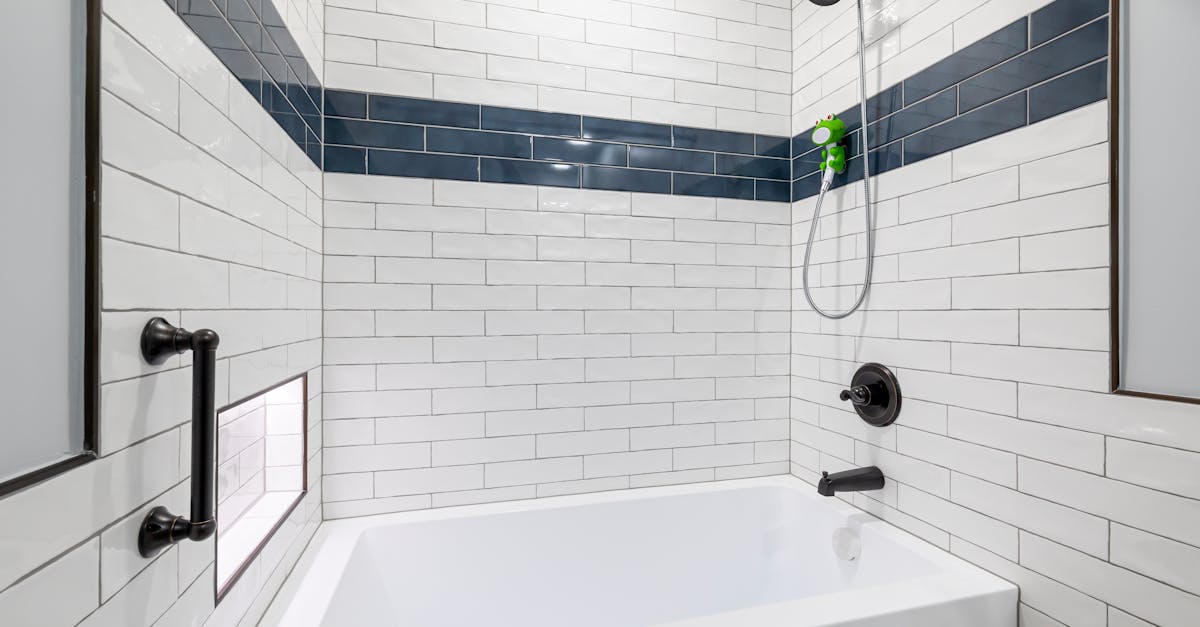
Planning an aging in place bathroom remodel in Southwest Florida is one of the most practical investments a homeowner can make, whether you’re preparing for your own future, welcoming a family member with mobility challenges, or simply adding long-term value to a Cape Coral or Fort Myers home. Florida’s retirement-heavy population means local contractors, permitting offices, and suppliers have deep experience with ADA-aligned bathroom work. This guide walks you through the layout decisions, material choices, code considerations, and contractor questions that matter most in SWFL’s humid, salt-air climate; so you can approach the project informed and confident before a single tile is set.
How Aging-in-Place Bathroom Design Shapes Decisions in SWFL’s Unique Environment
Southwest Florida has one of the highest concentrations of residents aged 65 and older in the United States. Lee County alone consistently ranks among the top counties nationally for retiree population, and the pattern repeats across Collier and Charlotte counties. That demographic reality makes aging in place bathroom remodels not a niche upgrade but a mainstream project type here. That older, established population shapes plenty of local remodeling requests, and homeowners can see our Bonita Springs remodeling work for kitchen, bath, and whole-home updates suited to these communities.
The climate adds layers of complexity that don’t apply in drier states. Year-round humidity exceeding 70 percent accelerates mildew growth on grout joints, swells hollow-core doors, and corrodes standard steel hardware within months. If your home sits within five miles of the coast (true for large portions of Naples, Bonita Springs, and Sanibel) salt-air corrosion will destroy chrome grab bars and uncoated steel shower fixtures faster than you’d expect. Stainless-steel 316-grade hardware, brushed nickel with a marine-grade finish, or powder-coated aluminum are the right choices here, not the economy fixtures often shown in national remodeling guides.
Many SWFL homes are mid-century concrete-block (CBS) construction on slab-on-grade foundations. That combination creates real complications for bathroom plumbing work: supply and drain lines are often embedded in or below the slab, meaning a walk-in shower conversion that requires moving a drain can involve saw-cutting concrete, rerouting pipe, patching slab, and then building up the floor to conceal the work. Budget and schedule for that possibility from the start. A licensed Florida general contractor will identify existing drain locations during pre-construction review, not after demolition begins.
Florida’s snowbird population also shapes project timing. Many owners are away from May through October. Scheduling a bathroom remodel during that window avoids disruption but requires a contractor you can trust to manage the job without you on-site. Permit-pulled work inspected by Lee County or Collier County building officials provides that independent verification.
Curbless Showers and Walk-In Tub Options: What the Florida Building Code Requires
The curbless shower, also called a zero-threshold or roll-in shower, is one of the most requested features in an aging in place bathroom remodel. Eliminating the step-over curb can make daily use easier for older adults and guests with mobility limitations. Accessibility goals should be reviewed alongside current local code, plumbing, waterproofing, and electrical requirements; existing single-family homes are not automatically the same as public ADA projects, but ADA-aligned dimensions can still be useful design references.
ADA-compliant shower dimensions call for a minimum 36-inch by 36-inch transfer shower or a 60-inch by 30-inch roll-in shower. In practice, most SWFL remodels we see aim for at least a 42-inch by 42-inch footprint when space allows: large enough for a caregiver to assist if needed. The floor must slope toward the drain at a minimum of 1/4 inch per foot to ensure positive drainage without creating a trip hazard.
Waterproofing in a High-Humidity Climate
In Florida’s climate, shower waterproofing is not optional or minimal; it’s a critical building envelope decision. Cement board alone is insufficient. Schluter Kerdi, Wedi board, or a liquid-applied membrane like RedGard applied over cement board is the standard for durable SWFL installations. Peel-and-stick membrane underlayment at the pan adds a second moisture barrier. Grout joints should be sealed at installation and resealed annually; porcelain tile with a low water absorption rate outperforms natural stone in high-humidity environments.
Tile Selection for Safe Footing
The Americans with Disabilities Act recommends a Dynamic Coefficient of Friction (DCOF) of at least 0.42 for wet shower floors. Look for tiles rated DCOF ≥ 0.42 or ANSI A137.1 compliant for wet areas. In SWFL bathrooms, 4-inch by 4-inch mosaic porcelain tiles or textured large-format tiles with a grout-line pattern work well. Shellstone and travertine pavers look beautiful in outdoor settings but are porous and slippery when wet: keep them on the lanai, not the shower floor.
Walk-In Tubs: Realistic Expectations
Walk-in tubs are heavily advertised to older adults, but they have a significant practical drawback: you must enter the tub, close the door, then fill it, and drain it completely before opening the door to exit. That fill-and-drain cycle can take 20 to 30 minutes. In a warm Florida home, a long wait in a cooling tub is uncomfortable. Most occupational therapists and aging-in-place specialists recommend prioritizing a well-designed curbless shower over a walk-in tub unless hydrotherapy is a specific clinical need.
Grab Bars, Blocking, and Layout Planning That Actually Works
Grab bars are only as strong as what they’re anchored into. A grab bar screwed into drywall without blocking will pull free under load: exactly the moment it’s needed most. Proper installation requires 1-1/2-inch blocking or a solid backing board installed between wall studs before tile goes up, so bars can be anchored with 2-1/2-inch stainless screws into solid wood. If you’re doing a full bathroom remodel, this is the right time to block every wall in the shower and beside the toilet: even locations where you don’t plan to install bars immediately. Future bars can be added without opening the wall.
ADA guidelines specify grab bar placement at 33 to 36 inches above the finished floor along the side wall of the toilet, and a combination of horizontal and angled bars inside the shower at 33 to 36 inches. For a SWFL aging in place bathroom, also consider a vertical bar at the shower entry; it gives a stable handhold during the step-in or roll-in transition that horizontal bars don’t provide.
Toilet height matters. Standard toilets sit at 15 inches; comfort-height or ADA-height toilets are 17 to 19 inches to the seat, which reduces the effort required to sit and stand. Pairing a comfort-height toilet with a side grab bar handles a significant portion of daily fall risk.
Vanity layout deserves attention too. A floating vanity installed at 34 inches rather than the standard 36 inches creates knee clearance for wheelchair access. For ambulatory users, the same height reduces back strain. A full bathroom remodel is the opportunity to address all of these dimensions simultaneously rather than retrofitting one feature at a time.
Lighting, Ventilation, and Electrical Upgrades for Aging Eyes and Florida Humidity
Vision changes with age: contrast sensitivity decreases, and the eye needs more light to resolve detail. A bathroom that felt well-lit at 45 may feel dim and shadow-prone at 70. For an aging in place bathroom remodel in Southwest Florida, lighting design should move beyond a single overhead fixture to layered illumination: a vapor-rated overhead for general light, LED strips or sconces on both sides of the vanity mirror to eliminate face shadows, and a night-light circuit (or motion-activated LED) for the path between bedroom and bathroom.
Color temperature matters. Bulbs in the 3,000–3,500K range (warm white) provide enough brightness without the harsh blue-white of 5,000K LEDs, which can increase glare sensitivity in older eyes. All fixtures in the wet zone must be rated for damp or wet locations: a requirement under the Florida Building Code and the National Electrical Code, enforced by Lee County and Collier County inspectors.
Ventilation is not optional in any Florida bathroom, but it’s especially important in an aging-in-place context. A minimum 50 CFM exhaust fan (sized to the room at 1 CFM per square foot) must be vented to the exterior, not into the attic. Mold exposure is a genuine health risk for older adults with compromised respiratory systems, and year-round AC operation in SWFL actually increases bathroom moisture cycling as warm air infiltrates cooled spaces. Upgrade to a humidity-sensing fan that runs until relative humidity drops below a set threshold, typically 50 to 55 percent.
Electrical panel capacity should be confirmed before adding heated floors, upgraded lighting, or a bidet toilet seat. Many mid-century CBS homes in Fort Myers and Cape Coral have 100-amp panels that may need upgrading. A licensed electrician working alongside your general contractor can assess this during pre-construction review.
Costs, Timelines, and Choosing the Right Contractor in Lee and Collier Counties
A focused aging-in-place bathroom retrofit (grab bars, comfort-height toilet, new showerhead, blocking installation) can run $3,000 to $8,000 depending on scope. A full bathroom remodel with a curbless shower conversion, new tile, floating vanity, updated lighting, and exhaust fan replacement in a standard SWFL master bath typically ranges from $18,000 to $35,000. Larger bathrooms, custom tile work, or plumbing relocation on a slab-on-grade foundation can push costs toward $40,000 to $50,000.
Timeline for a complete bathroom remodel in the Fort Myers or Naples market runs four to eight weeks under normal permit and inspection cycles. Lee County building permits for bathroom remodels are typically issued within two to four weeks of a complete application submission for residential work, though this can extend during post-hurricane permit surges. Work should not begin before the permit is posted: a detail worth confirming explicitly with any contractor you hire.
Ask every contractor you interview these five questions: Are you a licensed Florida general contractor or a licensed specialty contractor? Will you pull all required permits? Do you carry general liability and workers’ compensation insurance? Can you provide references for aging-in-place or ADA-accessible bathroom work specifically? Who manages the subcontractors on-site daily? For Naples homeowners, exploring what a full-scope remodeler brings to the table is worth the time; you can review our Naples remodeling services to understand the process from permit to punch list.
Material selection also affects the bottom line. Semi-custom cabinets with accessible hardware (D-pull handles, soft-close drawers) typically run $400 to $900 per linear foot installed. Quartz countertops are the dominant choice in SWFL bathrooms because they resist moisture and heat without sealing; expect $75 to $120 per square foot installed. Large-format porcelain tile (24×24 or 24×48) is popular for its minimal grout lines (fewer joints mean less mold harborage) and runs $8 to $18 per square foot for material alone.
Frequently Asked Questions
Does an aging-in-place bathroom remodel require a permit in Lee County?
Yes, in most cases. Any work involving plumbing relocation, electrical changes, or structural modifications (including adding blocking, moving a drain, or installing a new exhaust fan circuit) requires a Lee County building permit. Simple cosmetic work like replacing a toilet, vanity top, or light fixture may not, but confirming with the Lee County Building Department before starting is always the right call. Permit-pulled work ensures code-compliant inspections and protects your home’s resale value.
How do I choose grab bar materials that will hold up near the Florida coast?
Within five miles of saltwater (which includes most of Naples, Bonita Springs, Cape Coral canals, and Sanibel) specify 316-grade stainless steel or marine-grade powder-coated aluminum grab bars. Standard 304 stainless and chrome-plated steel will show pitting and rust within one to three years in coastal salt air. Avoid economy bars sold at big-box stores without a grade specification. Bars should be rated to 250 lbs. minimum load capacity and installed into solid blocking, not drywall anchors.
Can I add a curbless shower to a CBS slab-on-grade home without major demolition?
It depends on your existing drain location. If the current shower drain can remain in place and you’re simply removing the curb and re-sloping the tile, demolition is modest. If you need to move the drain (common when converting a tub-shower combo to a larger roll-in shower) the slab must be saw-cut and patched, which adds $1,500 to $4,000 to the project and one to two weeks of schedule. A good contractor will camera-scope or probe the existing drain before finalizing the design.
What SWFL-specific features add the most long-term value to an aging-in-place bathroom?
In Southwest Florida, the highest-return features are a curbless shower with a fold-down teak or composite bench, comfort-height toilet with side grab bar, humidity-sensing exhaust fan, and a floating vanity with knee clearance. Heated floors are less critical here than in northern climates, but a thermostatic shower valve (which lets you pre-set water temperature to prevent scalding) is a low-cost addition with real safety value. Blocking all walls during remodel for future grab bars adds minimal cost and significant future flexibility.
Alliance Construction & Renovation is a licensed Florida general contractor serving Lee, Collier, and Charlotte counties. If you’re ready to plan an aging-in-place bathroom remodel (or a broader whole-home accessibility upgrade) our team pulls all required permits, manages every trade, and builds to Florida Building Code standards built for SWFL’s climate. Call us at (239) 771-2855 to schedule a consultation, or explore our bathroom remodeling services to see how we approach these projects from first design conversation through final inspection.