


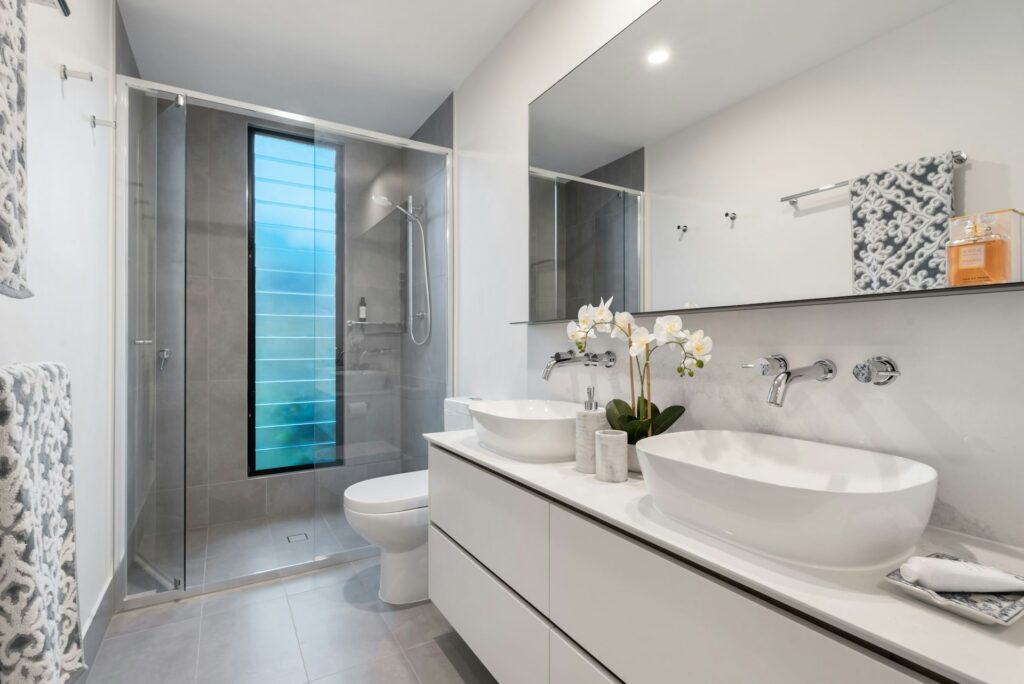
Getting Organized Before a Major Renovation
A whole-home renovation is one of the largest investments you can make in your property. In Florida, these projects carry additional considerations around hurricane preparedness, humidity management, energy efficiency, and building codes that differ from other states. This checklist walks you through every phase so nothing gets overlooked. Whether you are updating a dated Fort Myers home or renovating a recent purchase, use this as your roadmap.
Phase 1: Planning and Budgeting
- Define your goals: Are you renovating to live in long-term, preparing to sell, or converting a property for rental use? Your goals drive design and material decisions.
- Set a realistic budget with a 15% to 20% contingency for unexpected issues. Older Florida homes frequently reveal surprises behind walls, including outdated wiring, polybutylene plumbing, or termite damage.
- Prioritize projects: Structural and code-compliance items come first, cosmetic upgrades second.
- Research your HOA requirements if applicable. Many Southwest Florida communities restrict exterior modifications, color changes, and construction hours.
Phase 2: Hiring Your Contractor and Design Team
- Hire a licensed general contractor with a Florida CBC or CGC license. Verify credentials at myfloridalicense.com.
- Get at least three detailed estimates. Compare scope, materials, timeline, and payment terms.
- Confirm insurance: general liability and workers’ compensation are both required.
- Discuss project sequencing. A good contractor plans the order of work to minimize wasted time and reduce how long you are displaced from your home.
- Review our renovation services to understand the full scope of what a contractor should handle.
Phase 3: Permits and Engineering
- Identify all required permits. In Lee County, permits are needed for structural changes, electrical work, plumbing modifications, HVAC, roofing, and window/door replacements.
- If your home is in a flood zone, check whether renovations trigger a requirement to bring the structure up to current flood elevation standards.
- Hire a structural engineer if you are removing walls, adding openings, or modifying the roof structure.
- Submit plans to the building department for review. Allow two to four weeks for plan approval in Lee County.
Phase 4: Construction Priorities for Florida Homes
- Roof: Inspect and repair or replace before starting interior work. A leaking roof will damage new finishes.
- Windows and doors: Upgrade to impact-rated units if your current windows are not code-compliant. This also improves energy efficiency and may reduce your insurance premiums.
- Electrical panel: Many older Florida homes have 100-amp panels that cannot support modern appliance loads. Upgrade to 200 amps if needed.
- Plumbing: Replace polybutylene or galvanized pipes. Both are common in Florida homes built before the mid-1990s and are prone to failure.
- Insulation and air sealing: Florida homes leak conditioned air through attics, ductwork, and wall penetrations. Proper insulation and sealing directly reduce your energy bills.
- HVAC: Size and install the system after insulation and air sealing work is complete for the most efficient setup.
Phase 5: Finishes and Final Details
- Drywall, texture, and paint
- Flooring installation
- Cabinet and countertop installation
- Fixture and appliance installation
- Final inspections and certificate of occupancy
- Punch list walkthrough with your contractor
Review our full list of services to see how we support each phase of a whole-home renovation.
Alliance Construction manages whole-home renovations across Fort Myers, Cape Coral, Naples, and Bonita Springs. From the first planning meeting to the final walkthrough, our team coordinates every trade and every detail. Call (239) 244-4341 to start planning your renovation.
We Serve Southwest Florida
Alliance Construction provides remodeling services in Cape Coral, Naples, Bonita Springs, Estero, North Fort Myers, and Punta Gorda. View all services →