


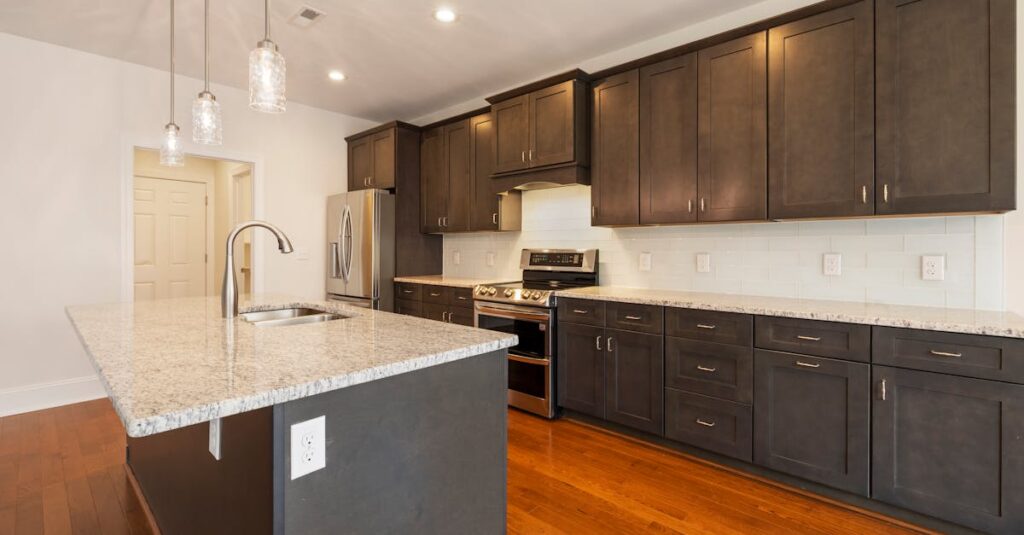
If you’re planning a kitchen or bathroom remodel in Southwest Florida, one of the quieter decisions (literally) you’ll face is whether soft-close cabinets are worth it in SWFL homes. The upgrade is everywhere in showrooms, and contractors mention it almost automatically, but the cost difference is real, and not every situation calls for the premium. This post breaks down how soft-close hinges and drawer slides actually work, what they cost, how the humidity, salt air, and storm-prep habits common to Lee County and Collier County affect hardware longevity, and when it makes financial sense to invest in the mechanism versus spending that budget elsewhere in your renovation.
How Soft-Close Hardware Works and What Sets It Apart
Soft-close is a hydraulic or pneumatic damping mechanism built into a cabinet hinge or drawer slide. As the door or drawer reaches the last inch or two of its travel, the damper absorbs the kinetic energy and draws it gently to a closed position. The result is no slamming, no bouncing, and dramatically less stress on the cabinet face frame and the door’s finish itself. There are two distinct products to understand: soft-close hinges (which control doors) and soft-close undermount slides or side-mount slides (which control drawers). Some lower-cost cabinets add a separate clip-on damper to an otherwise standard hinge; these perform adequately but are not as durable as an integrated soft-close mechanism from brands like Blum, Hettich, or Grass.
In terms of mechanical specs, quality soft-close hinges typically carry a rated cycle life of 75,000 to 100,000 open-close cycles. A heavily used kitchen cabinet door might cycle 20 times per day, meaning a quality hinge lasts well over a decade of normal use. Drawer slides are rated similarly, with full-extension undermount slides from Blum (their Tandem system, common in semi-custom cabinetry) rated at 100,000 cycles with weight capacities up to 130 lbs per pair. Entry-level soft-close slides may be rated at only 30,000–50,000 cycles and can fail sooner under heavy pot-and-pan use.
One distinction worth making: soft-close and self-close are not the same. Self-close hinges snap shut on their own but without damping; they close firmly and can still slam under force. True soft-close has the integrated damper. When reviewing cabinet quotes from Fort Myers or Cape Coral suppliers, ask specifically for soft-close rated hinges, not just self-close.


SWFL Climate Factors That Directly Affect Cabinet Hardware Longevity
Southwest Florida’s environment is genuinely harder on cabinet hardware than what you’d find in a dry-climate state. Year-round humidity averaging 70% or higher (with rainy season humidity regularly pushing 85–90%) creates conditions where metal components corrode faster, wood substrates expand and contract more frequently, and any hardware with inferior plating can develop surface rust within a year or two. This matters for the soft-close debate because the quality gap between a $3 hinge and a $12 hinge is most visible in these conditions.
If your home is within five miles of the Gulf or Charlotte Harbor, salt-air corrosion accelerates the deterioration of exposed steel hardware. In those zones (Sanibel, Cape Coral waterfront, Fort Myers Beach, Punta Gorda Isles) cabinet hardware should be nickel-plated, stainless-steel, or zinc-diecast with a quality epoxy coating. Budget soft-close hinges often use lower-grade steel with minimal plating, and in a coastal SWFL bathroom with an open window or a kitchen near the lanai, they can pit and seize within three to five years.
The other SWFL-specific factor is storm shuttering and hurricane prep. Many Lee County and Collier County homeowners cycle through a shutter-deployment routine two to four times per season: opening storage areas rapidly, pulling out equipment, and closing cabinet doors firmly and repeatedly under stress. That kind of concentrated mechanical abuse (combined with anxious children or pets) is exactly where a non-damped cabinet fails first. Soft-close hardware absorbs that abuse; standard hinges accumulate micro-damage in the hinge cup and mounting screws over time, leading to doors that sag or won’t stay closed.
Year-round AC operation is a Florida reality, and the cycling between cool indoor air and hot exterior air accelerates moisture cycling in cabinet materials. Particleboard cabinet boxes (common in stock and some semi-custom lines) are especially susceptible to swelling. Soft-close hardware compensates somewhat by reducing the door-racking forces that cause hinge screws to strip out of swollen substrates.
Cost Breakdown: Soft-Close Upcharge in Real Numbers
Understanding where the money actually goes helps you decide whether soft-close cabinets are worth it in SWFL, or whether you’re paying a premium that doesn’t match your use case.
Per-Unit Hardware Costs
Quality soft-close hinges (Blum Clip Top Blumotion, for example) retail around $8–$14 per hinge. A standard 36-inch upper cabinet typically needs two hinges; a tall pantry door may need three. Across a full kitchen with 20–30 doors, the hardware cost differential between standard hinges and quality soft-close hinges runs $150–$350 for the hinges alone at retail. At the contractor tier, that spread narrows, but the labor to adjust and tension each hinge adds time.
Cabinet-Line Upcharges
At the semi-custom and custom cabinetry level, soft-close is increasingly standard: many manufacturers include it at no upcharge in mid-range and premium lines. When it’s an add-on, expect $100–$300 on a stock kitchen cabinet package and $200–$600 on a semi-custom set, depending on door and drawer count. On a full kitchen remodel running $25,000–$60,000 in Fort Myers or Naples, that upcharge represents less than 1–2% of the project total.
Drawer Slides
Drawer slides carry a larger cost differential. Standard epoxy-coated side-mount slides cost $10–$20 per pair; full-extension undermount soft-close slides run $35–$80 per pair. In a kitchen with 12–16 drawers, the delta is $300–$800. This is the one line item where homeowners on tighter budgets ask whether they should selectively apply soft-close. A practical approach: prioritize soft-close on heavy drawers (pots, silverware, utensils) and allow standard slides on light-duty areas like small bathroom vanity drawers.

When Soft-Close Is Worth It, and When It Isn’t
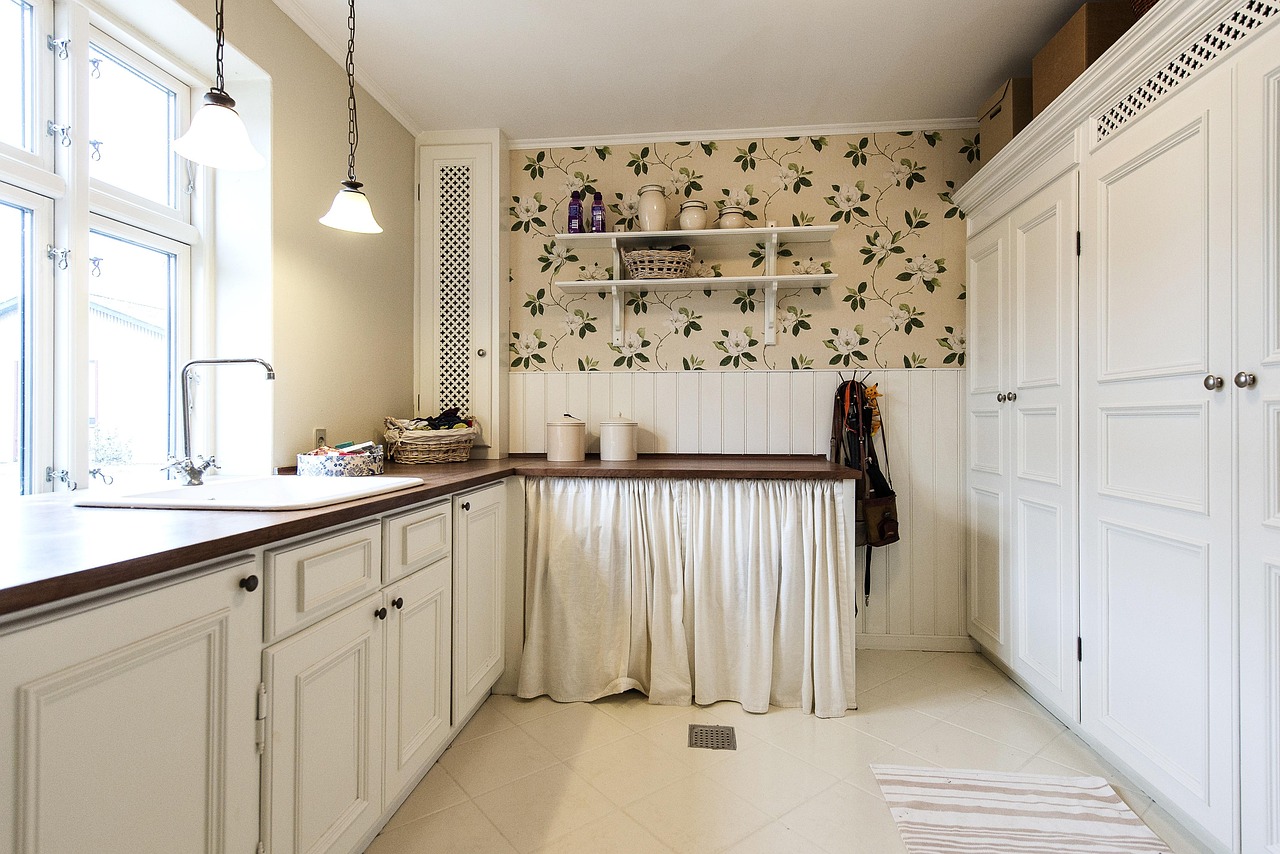
The honest answer is that soft-close cabinets are worth it in most SWFL remodels where the cabinet boxes themselves are being replaced or the hardware is being upgraded across the kitchen or bath. The reasons are practical, not just aesthetic.
First, the resale market in Southwest Florida responds positively to soft-close hardware. Buyers touring homes in Bonita Springs, Estero, or Naples (particularly the significant snowbird and retiree demographic) have often shopped newer construction and expect the feature. A kitchen remodel that ticks the soft-close box alongside quartz countertops and solid-wood drawer boxes photographs well and supports higher asking prices. You’re unlikely to recoup a dollar-for-dollar return on the hardware upcharge alone, but you avoid a negative flag in the buyer’s evaluation.
Second, if you have children or grandchildren visiting regularly (a common dynamic in SWFL vacation and retirement homes) the noise reduction and reduced door stress over thousands of cycles is material. Cabinet doors without damping accumulate hinge damage surprisingly fast in households with kids.
Third, for custom cabinetry investments where the box itself is solid plywood construction and the finish is a painted or stained hardwood, protecting that investment with quality hardware makes economic sense. Replacing a hinge is a $15 part; repairing a cracked face frame from chronic slamming can mean pulling the cabinet from the wall.
Where soft-close is less compelling: if you’re doing a cosmetic refresh (refacing existing boxes, replacing doors only) and the budget is tight, putting those dollars into a better door profile, finish, or pull hardware may deliver more visible value. Similarly, in a rental property or a secondary bath that sees minimal use, the upcharge is harder to justify against the use frequency.
For guidance on the full scope of a kitchen renovation, including cabinet selection, countertop materials, and permit requirements in Lee County, explore the kitchen remodeling services Alliance Construction offers across Southwest Florida.
Installation, Adjustment, and Long-Term Maintenance in Florida Conditions
Even the best soft-close hardware requires proper installation to perform correctly. Blum and Hettich hinges have 3-way adjustment (height, depth, and lateral) that must be set after the cabinet is hung and the doors are aligned. In SWFL’s CBS (concrete block and stucco) homes (mid-century and newer construction alike) upper cabinets are typically fastened to furring strips or into concrete block, and getting the cabinet level in a structure where walls may not be perfectly plumb takes experience. Misaligned cabinets put uneven tension on hinges and can defeat the soft-close mechanism within months.
Drawer slides must be installed level and parallel; even a 1/16-inch variance over a 24-inch drawer run causes binding that wears the slide mechanism prematurely. Licensed contractors doing permit-pulled work will install to manufacturer specifications; this matters because manufacturers often void their hardware warranties if installation deviations are documented.
Maintenance in SWFL conditions is minimal but not zero. Annually, inspect hinges for surface corrosion and apply a dry lubricant (silicone-based, not WD-40, which attracts dust) to the hinge pivot. Drawer slides benefit from an occasional wipe-down to remove the dust and grit that accumulates in Florida’s sandy environment. If a soft-close mechanism begins to feel sluggish or fails to draw the door fully shut, the hydraulic cartridge in many Blum hinges is replaceable without removing the hinge from the cabinet: a five-minute fix rather than a full replacement.
The National Association of Home Builders notes that cabinet hardware is among the most frequently cited maintenance items in homeowner satisfaction surveys, which underscores the value of starting with quality components installed correctly rather than replacing inferior hardware after the fact.
Frequently Asked Questions
Can I add soft-close to my existing cabinets without replacing them?
Yes, in most cases. If your existing doors use standard European cup hinges (the round, 35mm type most common in cabinets built after the 1990s), they can be swapped for soft-close versions in the same hinge holes. For drawers, retrofit soft-close adapter clips are available for some slide systems, though full slide replacement is more reliable. A cabinet hardware upgrade runs roughly $300–$800 in labor and parts for a typical SWFL kitchen.
Do soft-close hinges require more maintenance in humid Florida climates?
Quality nickel-plated or zinc-diecast soft-close hinges need very little maintenance in Florida’s humidity. An annual dry lubrication with a silicone spray takes a few minutes. Avoid oil-based lubricants, which attract dust and sand. If you’re within five miles of the coast, inspect hinges each year for early signs of pitting or corrosion and replace any compromised units before the mechanism seizes: catching it early prevents damage to the hinge cup drilled into the door.
Are soft-close cabinets standard in new construction in Southwest Florida?
In most new construction and semi-custom remodel work in Lee, Collier, and Charlotte counties, soft-close hinges on doors are now effectively standard. Soft-close undermount drawer slides, however, are still sometimes an upcharge even in mid-range cabinet lines. When reviewing a new construction or remodel contract, confirm explicitly whether both doors and drawers are soft-close, and ask the brand name so you can verify the cycle-life rating independently.
Does soft-close hardware affect the Florida Building Code inspection or permit process?
No, soft-close hardware is not a code-required item and does not affect permit inspection outcomes. What inspectors evaluate is the structural attachment of cabinets to the wall framing or substrate, proper clearances from cooking appliances, and, in kitchens near plumbing, correct access to shutoffs. Your contractor should pull the appropriate Lee County or Collier County building permit for a full kitchen remodel regardless of the hardware selected: unpermitted work creates title and insurance complications at resale.
If you’re planning a kitchen or bathroom renovation in Fort Myers, Cape Coral, Naples, or anywhere across Southwest Florida, Alliance Construction & Renovation is a licensed Florida general contractor ready to help you make decisions like this one with real numbers and local experience; not showroom pressure. Call us at (239) 771-2855 to schedule a consultation, or visit our kitchen remodeling page to learn how we handle everything from cabinet selection through permit-pulled installation and final inspection.