


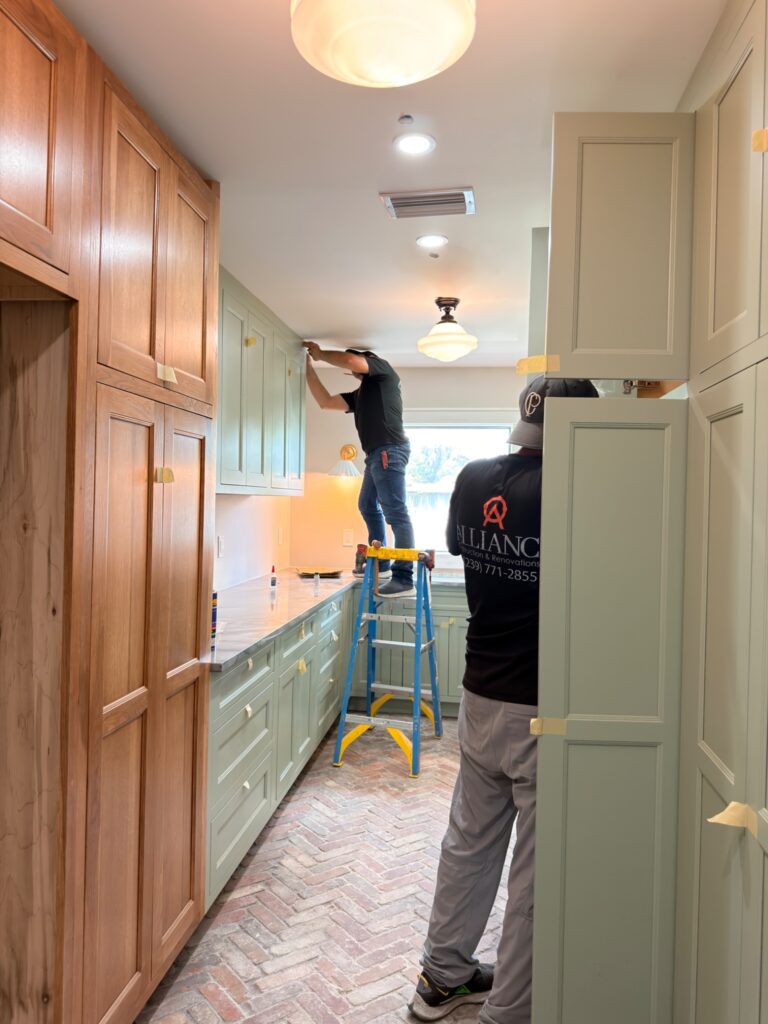
Every spring, a familiar conversation happens in our Metro Pkwy showroom. A homeowner is heading back to Ohio, Ontario, or New England for the summer, and they want to come home in November to a finished kitchen, a remodeled bath, or a refreshed main living area. Snowbird remodeling in Southwest Florida is not a niche request. For a large share of the homeowners we serve in Fort Myers, North Fort Myers, Naples, Cape Coral, and the surrounding communities, remodeling while away is simply how projects get done.
Done well, a summer remodel is the best of both worlds. You skip the dust, the noise, and the weeks of living without a kitchen, and the work happens during the months you were not going to be here anyway. Done poorly, distance becomes an excuse for slow progress and surprises you only discover when you walk back in the door.
The difference between those two outcomes is almost entirely process. As a licensed Florida general contractor (CBC1268590), our team has built a specific way of running remote projects, and this guide walks through the parts that matter most: communication cadence, photo documentation, key handling, hurricane-season planning, and the final walkthrough when you return.
Why the Off-Season Is Prime Remodeling Time for Seasonal Homeowners

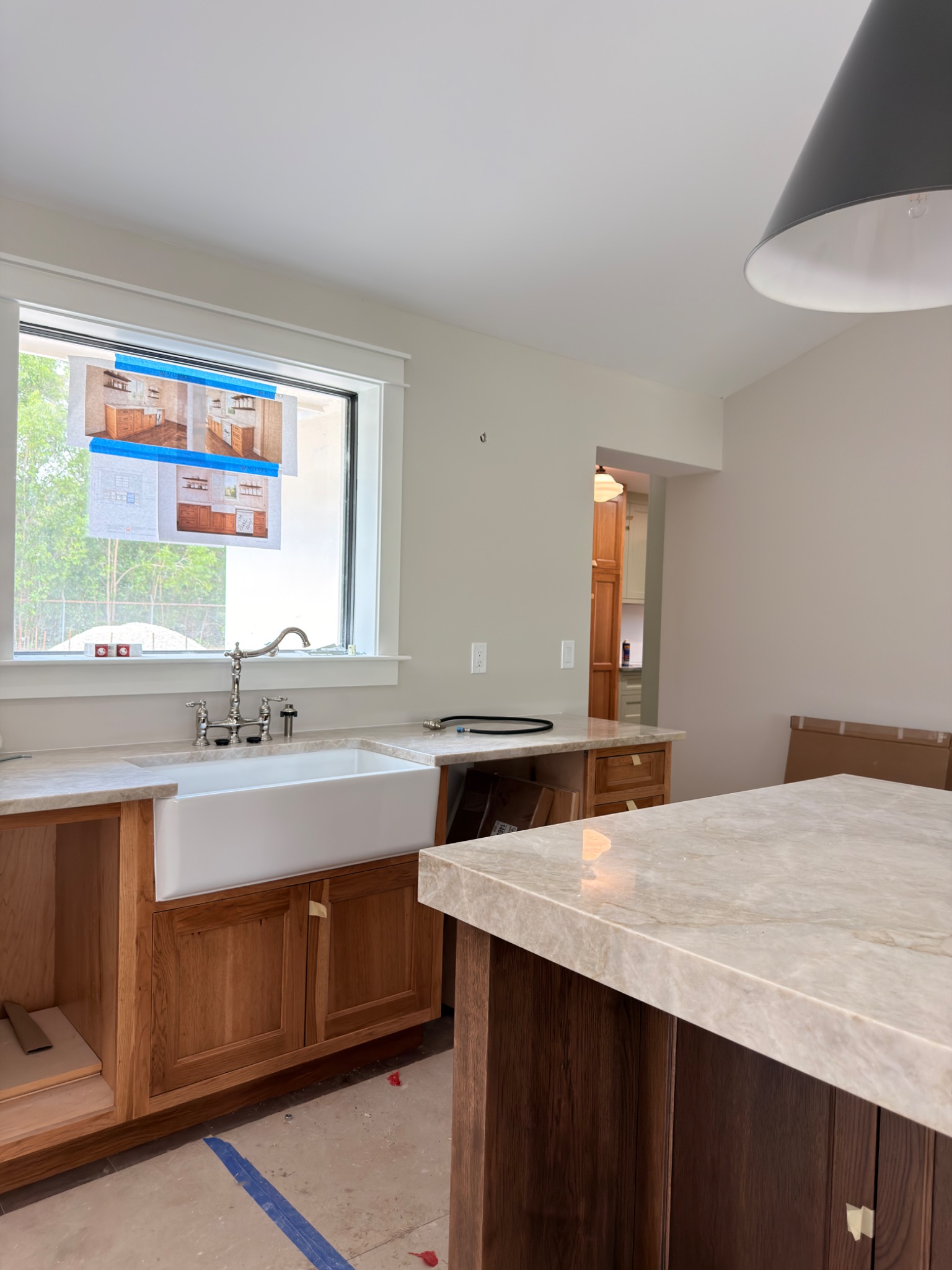
Summer is the natural remodeling season in Southwest Florida for practical reasons. An empty house lets crews work faster, since nobody has to seal off living space, keep a working kitchen running, or schedule noisy work around your day. Demolition, drywall, painting, and flooring all move quicker in an unoccupied home.
An empty house is also a cleaner project. Dust control is easier when the furniture is covered once and left covered, and floors can stay protected from the first day of demolition until final cleaning. By the time the winter season arrives and the neighborhood fills back up, the disruptive phase of your project is a memory rather than a daily reality.
Set Up Your Communication Cadence Before You Leave
The single most important remote-remodel decision is agreeing on a communication rhythm before you drive north. Vague promises to keep in touch are where remote projects go wrong. We recommend putting three things in writing with any contractor:
- A standing update day. A weekly progress summary on a set day, covering what was completed, what comes next, and any decisions needed from you.
- One point of contact. A single project manager whose name and number you have, so answers never depend on whoever happens to pick up the phone.
- A decision log. Every selection and change confirmed in writing, so a quick phone call about grout color or hardware finish is captured somewhere both sides can see.
Time zones and travel make live calls harder in summer, which is why the written weekly summary matters more than any single conversation. When a question needs a fast answer, a short call gets scheduled. When it does not, the weekly rhythm keeps the project moving without chasing anyone.
Photo and Video Updates You Can Rely On
You should never have to imagine what your home looks like. Photo documentation is the remote homeowner’s substitute for walking the job, and it should follow the same standard every week: wide shots of each work area from the same angles, close-ups of anything installed that week, and photos of anything unexpected that was found once walls or floors were opened.
Video walkthroughs earn their place at milestones. A slow phone-camera walk through the space after cabinet installation, or before drywall closes up new plumbing and electrical, tells you more than a dozen still photos. We also encourage live video calls at key decision points, so you can ask questions while the project manager stands in the room and points the camera where you want to look.
Insist on progress photos being tied to the schedule, not sent as a highlight reel. Photos of completed work matter, but photos of protection measures, staged materials, and a clean job site tell you just as much about how your home is being treated while you are away.
Key Handling and Home Access While You Are Away
Handing over access to an empty home deserves more thought than leaving a key under a mat. The arrangements we recommend to seasonal homeowners are simple and verifiable:
- A coded lockbox or smart lock with a code assigned to the project, changed when the project ends, rather than copies of your house key in circulation.
- A named access list. You should know which trades will be in the home and roughly when, and deliveries should be received by the contractor, never left on the driveway.
- Alarm and camera coordination. If the home has an alarm or cameras, the contractor should know they exist, and you should know how workers will disarm and re-arm the system.
- A local emergency contact. Many of our seasonal clients also loop in a neighbor, a property watch service, or an HOA contact who can lay eyes on the exterior independently.
Utilities deserve a note here too. Air conditioning should keep running in an unoccupied summer home to control humidity, and your contractor should confirm the water heater and main water supply plan for the months the house is empty, especially while plumbing work is underway.
Working Around Hurricane Season and Summer Rains

Remodeling season in Southwest Florida overlaps hurricane season, which runs June through November, and a good contractor plans for that instead of hoping. Interior remodels are largely insulated from weather, but the plan should still answer three questions: how materials are staged, how the site gets secured if a storm approaches, and how you will be updated afterward.
In practice that means deliveries are scheduled so cabinetry and millwork are not sitting in a garage during peak storm months longer than necessary, dumpsters are covered or swapped out ahead of a named storm, and loose materials are brought inside. If your home has hurricane shutters or impact protection, the contractor should know how to deploy it. After any significant storm, you should expect a check-in with photos, even when the news is simply that all is well. Daily summer downpours are a scheduling fact of life for anything involving exterior penetrations, so those tasks get sequenced for morning hours and dry windows.
We watch the National Hurricane Center forecasts through the season and build weather contingencies into every summer schedule.
Lock In Decisions and Selections Before You Head North
Remote remodels stall for one reason more than any other: decisions that were left open. The remedy is front-loading selections while you are still in town. Cabinet door styles, countertop slabs, tile, flooring, paint colors, plumbing fixtures, and hardware can all be chosen and documented before you leave, and our showroom and 3D design visualization exist precisely so you can see those choices assembled before demolition starts.
We also encourage clients to approve a small set of fallback preferences. If a selected tile is discontinued or a fixture is backordered past its install date, a pre-approved second choice keeps the schedule intact instead of pausing the project for a decision across three time zones.
The Final Walkthrough When You Return
The walkthrough on your return should be a confirmation, not a discovery. Before you travel back, you should receive a completion package: final photos of every room, documentation of permit inspections and closeouts through Lee, Collier, or Charlotte County, appliance and fixture manuals, and care guides for each new surface.
Then tour the finished work in person with your project manager, room by room, with the punch list in hand. Open every drawer, run every faucet, test every switch. A well-run project usually produces a short list of small adjustments, and the contractor should schedule those promptly rather than treating the handoff as the finish line. The house should also simply be clean: final construction cleaning is part of the job, and coming home to dust is not something a seasonal homeowner should ever accept.
Frequently Asked Questions
How often should my contractor update me while I am out of state?
Weekly, in writing, on an agreed day, with photos. Live calls layer on top of that rhythm at milestones and decision points. If a contractor cannot commit to a standing update cadence before the project starts, treat that as your answer about how the project will feel.
Who holds the keys to my home during the project?
Access should run through a coded lockbox or smart lock controlled by the contractor, with the code retired at project close. You should know who is authorized to enter, and deliveries should be received inside the home rather than left out.
What happens to my project if a hurricane threatens Southwest Florida?
Work pauses while the site is secured: materials moved inside, dumpsters addressed, protection deployed, and the schedule adjusted. Afterward you should receive a photo update on the home’s condition before work resumes. Storm preparation belongs in the project plan from day one, not improvised in the moment.
Can a kitchen remodel really be finished between spring departure and fall return?
A well-planned kitchen remodel fits comfortably inside a typical seasonal absence when selections are locked in before you leave and materials are ordered early. The projects that run long are almost always the ones where decisions were left open, which is exactly what the pre-departure planning phase prevents.
If you are planning to head north while your home gets its next chapter, we would love to be the team you trust with the keys. Learn how our general contracting services manage every trade under one roof, explore a full kitchen remodeling project or any of our home renovation services, and let us build your remote-update plan before you pack. Call us at (239) 771-2855 to schedule a showroom visit or request an estimate, and come home this fall to a finished project.