


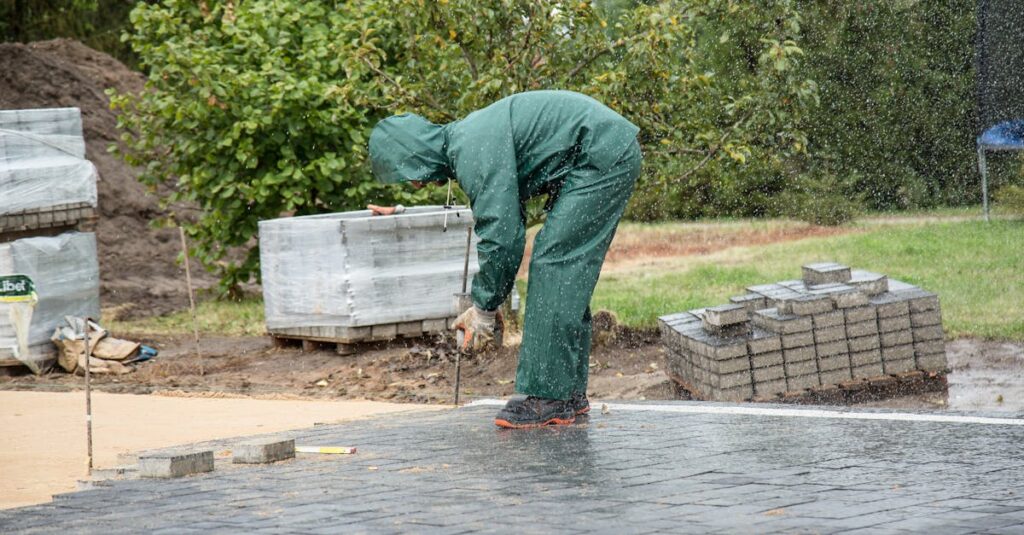
Rainy season prep remodel SWFL projects demand a level of planning that contractors in drier climates rarely consider. Southwest Florida’s wet season (roughly June through September) delivers an average of 55 to 65 inches of annual rainfall, much of it concentrated in daily afternoon thunderstorms that can drop two to three inches in under an hour. If your home is mid-remodel when that pattern kicks in, exposed framing, open roof decks, fresh drywall, and uncured concrete are all at risk. In Fort Myers, Cape Coral, and across Lee and Collier counties, the consequences of poor storm prep during a remodel range from mold remediation costs to permit failures and material loss. This article explains exactly how experienced contractors protect active job sites, manage schedules, and keep your project on track through Florida’s most demanding building season.
Understanding SWFL’s Rainy Season and What It Means for an Active Job Site
Southwest Florida’s climate sits firmly in USDA Hardiness Zone 10 with year-round humidity that regularly exceeds 70 percent. From June through September, a predictable pattern emerges: clear mornings, building cumulus clouds by noon, and intense convective storms between 2 and 5 p.m. These storms are not the prolonged soaking events common in the Northeast; they are short, violent, and capable of wind gusts exceeding 40 mph even outside of named storm events. That intensity creates specific risks for any home undergoing structural renovation.
When a roof is partially removed for a re-deck or a wall is opened for a window enlargement, the structure loses its first line of weather defense. Rainwater entering an open wall cavity can saturate fiberglass batt insulation, wick into wood framing, and trigger mold growth within 24 to 48 hours given SWFL’s ambient conditions. Engineered lumber, OSB sheathing, and LVP flooring are particularly vulnerable because their composite construction traps moisture differently than solid wood. A single unprotected rainstorm on an open sub-floor can warp material that cost several thousand dollars to install.
Equally important is the current Florida Building Code requirement that all structural work maintain integrity throughout construction. Inspectors in Lee County have authority to flag work that shows evidence of moisture intrusion or material degradation, which can reset your permit timeline. Understanding these risks before the first nail goes in is how a licensed Florida general contractor separates professional job-site management from reactive damage control.

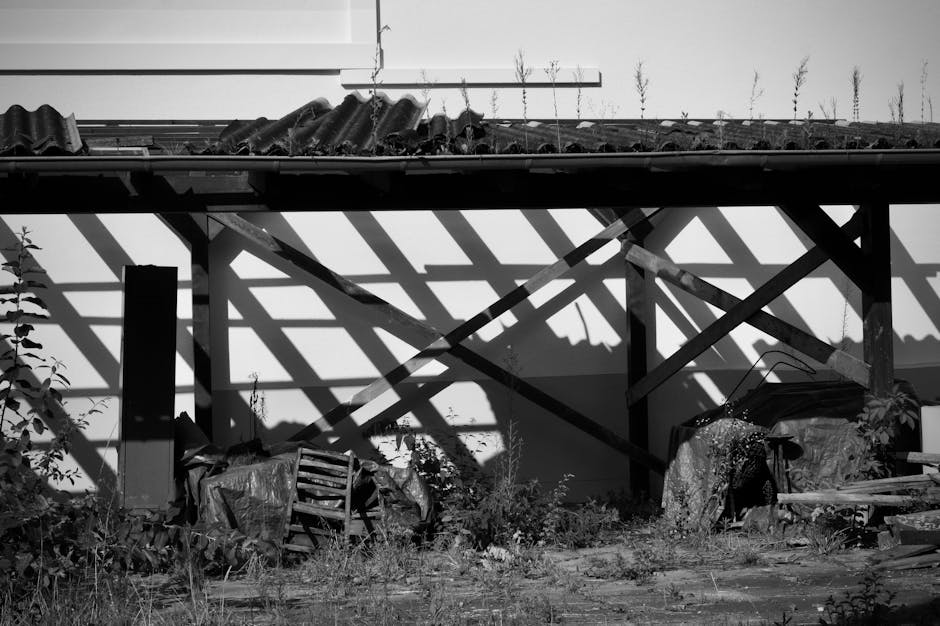
Tarping Strategies That Actually Hold Through Afternoon Thunderstorms
A standard blue poly tarp staked loosely over open framing is not adequate protection for a SWFL job site. The afternoon thunderstorms that move through Fort Myers, Lehigh Acres, and Cape Coral routinely carry gusts in the 35 to 50 mph range, enough to peel an improperly secured tarp in seconds. Professional job-site weather protection requires both the right materials and the right attachment methodology.
For roof-level protection, 6-mil to 10-mil reinforced polyethylene tarps with grommet spacing no greater than 18 inches provide baseline coverage. On steep-slope roofs, these tarps are secured with 1×3 furring strips screwed through the tarp into the top plate or existing sheathing, distributing load rather than concentrating pull at a single grommet point. For hip and gable roof configurations common in mid-century concrete-block (CBS) homes across Lee County, contractors typically run continuous anchor boards along ridges and eaves, then lace tarps with nylon rope rather than relying solely on bungee cords.
For wall openings (window enlargements, door rough openings, and bump-out framing) 6-mil poly sheeting stapled to the structural members and taped with a compatible weather-barrier tape forms a temporary water-resistive barrier. This approach mirrors the house-wrap standards required under Florida Building Code for permanent installation and gives inspectors confidence that framing moisture content is being managed.
Timing matters as much as materials. Experienced SWFL contractors check the National Weather Service forecast each morning, and work that requires extended exposure (roof decking, large window installations, concrete pours) is scheduled for the first four to six hours of daylight before storm probability rises. This is not a suggestion; it is standard practice for any general contracting firm that builds in this region year-round.
Drainage Planning: Protecting the Slab, Footings, and Interior Finishes
Southwest Florida’s slab-on-grade construction presents drainage challenges that framed-floor homes in other regions avoid entirely. When a home sits on a monolithic slab and interior demolition opens up plumbing rough-in points or creates low spots in the floor, rainwater pooling on the slab can infiltrate sub-floor assemblies and run under tile or LVP flooring that has already been installed in adjacent rooms.
Temporary Perimeter Drainage During Demolition
Before any interior demolition begins on a SWFL rainy-season job, a competent contractor assesses the grading immediately surrounding the structure. Florida’s relatively flat terrain (particularly in Bonita Springs, Estero, and North Fort Myers) means that even modest landscaping disturbance during construction can redirect surface water toward the foundation. Sand bags, silt fence, and temporary swale shaping around the perimeter direct runoff away from open doorways and disturbed concrete joints. On jobs near FEMA-designated flood zones, base flood elevation rules add another layer of compliance that affects how temporary drainage is designed.
Interior Floor Protection and Sub-Slab Considerations
Finished flooring in unaffected rooms adjacent to active work zones should be protected with rosin paper and 1/4-inch hardboard or ram board to prevent water tracking and mechanical damage. If sub-slab plumbing is being relocated (a common task in SWFL kitchen and bathroom remodels because of the slab-on-grade configuration) open trenches must be covered whenever workers leave the site, and de-watering pumps should be staged on larger jobs where trench flooding is possible.
Protecting Freshly Poured Concrete
Concrete flatwork poured for additions, pool deck extensions, or driveway approaches needs a minimum of 24 to 48 hours of cure time before significant rain exposure. In practice, SWFL contractors target early-morning pours, apply curing compound immediately after finishing, and stage plastic sheeting for rapid deployment if early storm development overrides the forecast. Travertine and shellstone pavers common in SWFL lanai and pool deck projects don’t face the same curing concerns, but fresh polymeric sand joints require 24 hours of dry time to set properly.


Schedule Management and Phase Sequencing for Wet-Season Builds
Rainy season prep remodel SWFL planning is as much about sequencing work intelligently as it is about physical protection measures. Contractors who account for weather constraints in their original schedule avoid the panic-driven shortcuts that cause moisture problems and permit issues.
The most effective approach is to front-load weather-sensitive work. Roofing, framing, and structural concrete should be completed (or at least brought to a weather-tight state) before June if the project timeline allows. A whole-home renovation in Fort Myers that begins in January or February can realistically achieve a dry-in state by May, putting interior finish work like tile, cabinetry, drywall, and painting into the rainy-season window when the building envelope is fully closed and the AC is running.
When rainy season catches a project mid-frame, the schedule is restructured around interior and covered tasks during peak storm hours. Rough-in electrical, HVAC duct installation, cabinet layout, window and door templating, and interior painting and finish work all proceed during afternoon hours while exterior crews stand down or shift to covered areas. Lee County permit timelines typically run four to eight weeks for major structural permits, so early permit submission (ideally before the project breaks ground) keeps inspections available without creating idle wait periods during bad weather.
Float time in the schedule is not padding; it is professional planning. A remodel targeting fall completion should carry at least two to three weeks of weather contingency built into the framing and roofing phases. Communicate this to the homeowner at contract signing so that rainy-season delays are an expected variable, not a source of conflict.
Protecting Finishes, Materials, and Stored Products On-Site
Material storage is one of the most overlooked aspects of rainy season prep remodel SWFL projects. Drywall, cabinetry, engineered flooring, and millwork delivered before installation require dry, elevated storage. A single overnight exposure to high humidity (even without direct water contact) can cause 3/4-inch hardwood flooring to cup or cabinet door panels to swell enough to misalign hinges.
Best practice is to stage deliveries based on installation sequence so materials don’t sit on-site longer than two to three days before they go in. When earlier delivery is necessary, materials are stored indoors with the building’s air conditioning running. In a home that is not yet air-conditioned, a temporary window-unit or portable mini-split heat pump maintains adequate dehumidification. SWFL’s year-round AC operation actually works in favor of active remodels: once the building is dried in and climate-controlled, the interior environment is more stable than in many northern construction scenarios.
Cabinet boxes, semi-custom or custom, should be inspected on delivery and not unpacked until the installation date. Quartz and granite countertop slabs are largely unaffected by humidity but should be stored flat and off the ground to prevent edge chipping. Porcelain tile and ceramic tile, common throughout SWFL interiors, are impervious to moisture damage but grout, thinset, and adhesive products have shelf-life implications if stored in high-humidity conditions beyond their recommended window.
For projects that include hurricane impact glass replacement (a common upgrade across Naples, Marco Island, and coastal Lee County properties within five miles of salt air exposure) window units stored on-site should be kept in their original factory crating until the day of installation to protect low-e coatings and edge seals. Peel-and-stick membrane underlayment products used under tile roofing must similarly be stored out of direct heat and UV exposure to maintain adhesive integrity before application.
Frequently Asked Questions
What happens if my contractor doesn’t properly protect my home during a rainy-season remodel?
Unprotected framing, drywall, or sub-floor materials exposed to SWFL rainfall can develop mold within 24 to 48 hours given local humidity levels. Beyond mold remediation costs (which typically run $1,500 to $6,000 or more depending on scope) water-damaged material may need to be removed and replaced, which can add weeks and significant cost to the project. Under Florida law, a licensed general contractor carries insurance and a duty of care to protect the work in progress.
Can a remodel realistically proceed through SWFL’s full rainy season, or should work stop?
Work does not need to stop, but it does need to be managed. Interior finish phases (tile installation, cabinetry, drywall, painting, trim, and fixture installation) can proceed normally once the building is dried in. Exterior framing, roofing, and concrete work simply require tighter scheduling around morning windows and aggressive weather protection staging. Most Lee County remodels extend six to nine months for whole-home projects, meaning some rainy-season overlap is unavoidable.
How do I verify my contractor is actually implementing weather protection measures?
Ask for a written weather protection plan before work begins. It should identify which phases carry weather exposure risk, what specific materials and attachment methods will be used for tarping and vapor barriers, and how material storage is handled. Walk the site after a significant rain event. If you see standing water in framing bays, wet drywall, or tarps that have shifted, those are immediate concerns to raise. Reputable, licensed contractors welcome this level of homeowner engagement.
Does rainy season affect Lee County permit inspections?
Lee County building inspectors conduct inspections regardless of weather, but certain inspection types (like framing inspections) can be delayed if the structure is substantially open during heavy rainfall and conditions are unsafe. The practical implication is that framing inspections should be requested and completed promptly once the frame is ready, before prolonged exposure accumulates. Permit timelines in Lee County typically run four to eight weeks for major permits, so submitting early keeps your inspection cadence on schedule through the wet months.
If your home is mid-remodel heading into rainy season, or if you are planning a renovation and want it properly scheduled around SWFL’s weather patterns, Alliance Construction & Renovation is a licensed Florida general contractor with hands-on experience managing active job sites through Lee, Collier, and Charlotte county wet seasons. We pull permits, sequence phases to minimize weather exposure, and use proven tarping and drainage protocols on every project. Call us at (239) 771-2855 to schedule a consultation, or learn more about our general contracting services throughout Southwest Florida.
We Serve Southwest Florida
Alliance Construction provides remodeling services in Cape Coral, Naples, Bonita Springs, Estero, North Fort Myers, and Punta Gorda. View all services →