


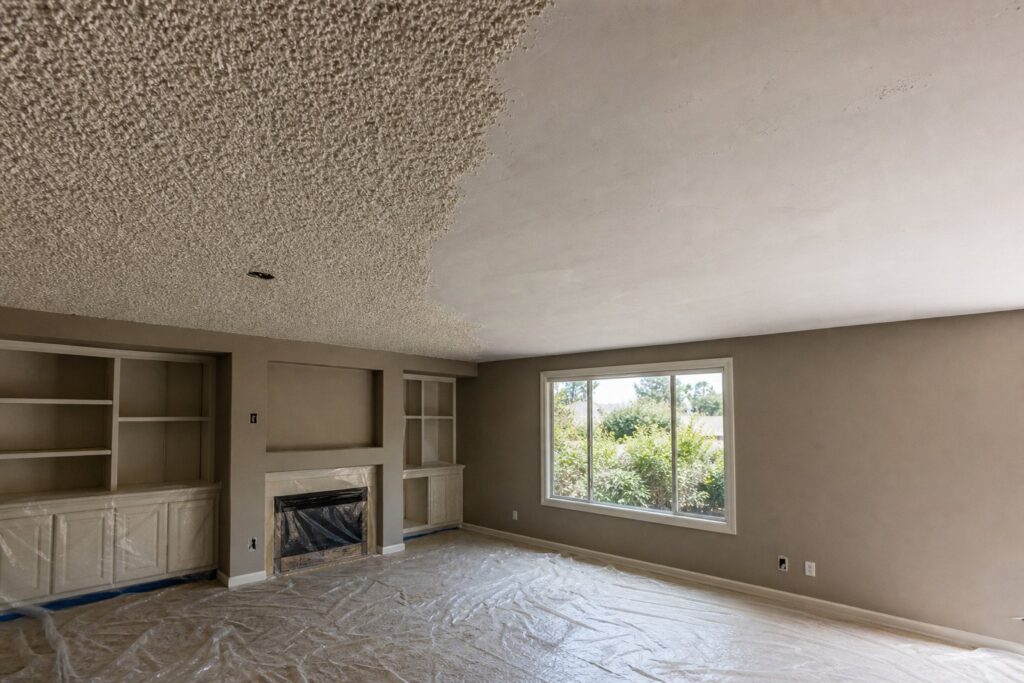
Popcorn ceiling removal in Punta Gorda comes up in nearly every remodeling conversation we have with owners of older homes here. The bumpy acoustic texture that builders sprayed across Southwest Florida ceilings for decades has a way of dating a room instantly. It traps dust, shadows every flaw, and makes even a recently updated space feel older than it should.
Punta Gorda has some of the most character-rich housing stock in Southwest Florida. Many homes in Punta Gorda Isles and the neighborhoods around the historic district went up between the 1960s and the late 1980s, exactly the era when sprayed texture was the standard way to finish a ceiling quickly. If you own a home from that period, there is a good chance you are living under the original popcorn.
Our team at Alliance Construction & Renovation handles remodeling projects in Punta Gorda regularly, and ceiling work finds its way into most whole-home refreshes we plan. As a Florida licensed contractor (CBC1268590), we want homeowners to understand what this project actually involves before anyone puts a scraper to the ceiling. Here is how we walk our clients through it.
Why So Many Punta Gorda Homes Still Have Popcorn Ceilings

Sprayed acoustic texture was popular with builders for practical reasons. It went on fast, hid taped drywall seams without careful sanding, and softened sound a little in rooms with hard terrazzo or tile floors. For a builder finishing dozens of homes in a season, it saved real time, so it became the default finish across entire neighborhoods.
Florida has not been kind to it since. Decades of humidity yellow the texture unevenly, and the rough surface holds dust and cobwebs that are nearly impossible to clean without knocking chunks loose. Water stains from past roof leaks, common in a city that has weathered storms from Charley in 2004 through Ian in 2022, show up dramatically on textured ceilings and resist invisible touch-ups. Smooth ceilings do the opposite: they reflect light evenly, make rooms feel taller, and give the eight-foot ceilings typical of that era a cleaner, brighter presence.
Test for Asbestos Before Anyone Touches the Ceiling
This is the one step we will not skip, and neither should you. Textured ceiling products applied before the mid 1980s can contain asbestos. Federal restrictions arrived in the late 1970s, but existing inventory stayed in use for years afterward, so the age of your home alone does not settle the question. The only way to know is to have a small sample tested by an accredited laboratory.
If the test comes back positive, the material needs to be handled by a licensed asbestos abatement professional before any remodeling proceeds. Dry-scraping it as a weekend project is the worst possible move, because disturbing the material is exactly what releases fibers into the air your family breathes. Given how much of Punta Gorda’s housing dates to that era, we treat laboratory testing as a standard first step on ceiling work, not an optional extra.
The EPA’s asbestos guidance explains why sampling matters and what accredited testing involves.
How Professional Popcorn Ceiling Removal Works
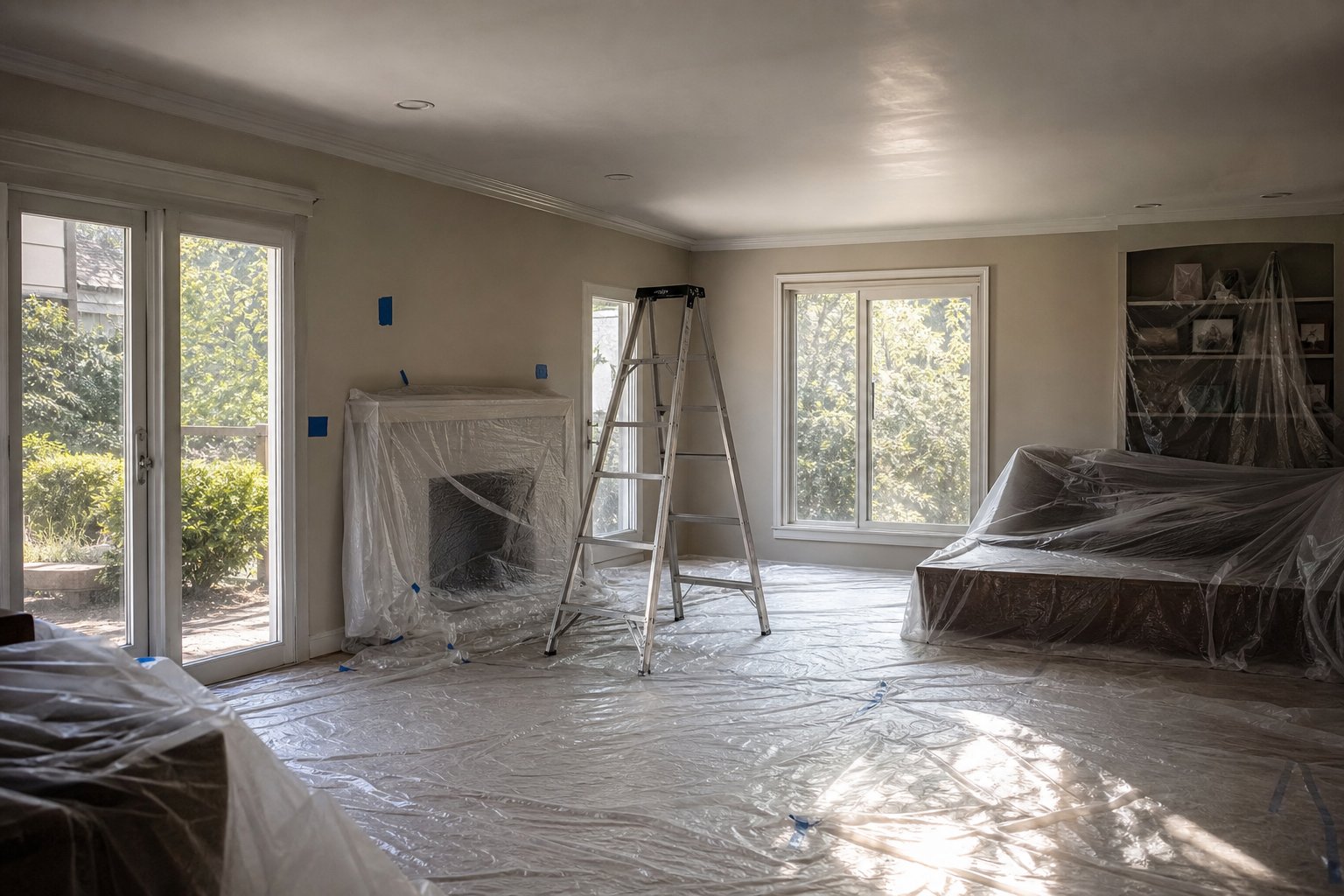
Once testing clears the way, the process is methodical. We empty the room or group furniture under protection, seal off the space, and cover the floors completely. The texture gets misted with water in sections so it softens, then scraped away with wide blades down to the drywall face. Done patiently, this stage creates far less mess than most homeowners expect.
The scraping is actually the quick part. The craft is in what follows: skim coating the entire surface with joint compound, repairing seams and nail pops that the texture concealed for decades, sanding smooth, then priming and painting. That finishing sequence is what separates a ceiling that looks new from one that merely looks scraped.
One caveat we see often in Punta Gorda homes is painted popcorn. If a previous owner rolled paint over the texture, water can no longer soak in, and scraping turns into slow, chippy work. In those cases we usually recommend skim coating directly over the texture instead of fighting it.
Protecting Your Home During the Work
Ceiling work is overhead work, which means everything below it needs real protection. Our crews hang plastic containment on the walls, cover floors edge to edge, seal HVAC supply and return vents so dust never circulates through the system, and close the work zone off from the rest of the house. Most homes are handled room by room so your family can live normally in the spaces we have not reached yet, and every workday ends with cleanup.
Southwest Florida adds one more variable: humidity. Joint compound dries slowly during the rainy season, and rushing coats leads to cracking later. We keep the air conditioning running and add dehumidification when needed so each coat cures properly before the next one goes on.
When Covering the Ceiling Beats Scraping
Removal is not always the right answer. A skim coat over sound texture can produce a flat, paint-ready surface without full demolition. Another proven approach is fastening a new layer of thin drywall directly over the old ceiling, which creates a flawless new surface and, in many situations, encapsulates material that tested positive rather than disturbing it.
If the ceiling work is part of a larger renovation, this is also the moment to think beyond flat and white. Tray details, wood-look tongue and groove, and simple coffered treatments all start from the same clean slate and suit the coastal character of Punta Gorda homes.
Finishing Touches That Complete the Look
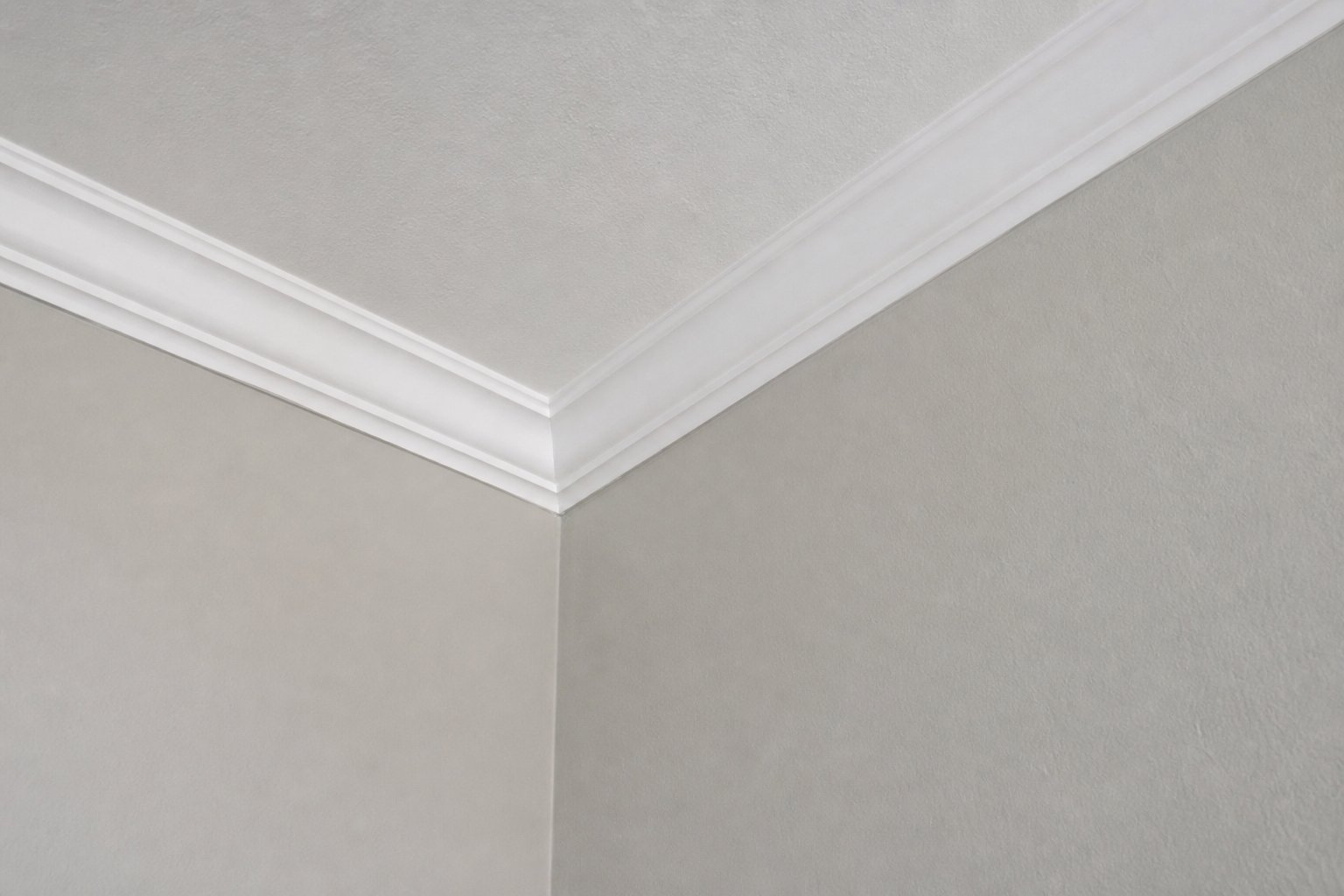
The last stage is where the transformation lands. A properly skimmed ceiling gets primed and painted in a flat ceiling white that hides minor shadows, and this is the natural moment to add crown molding, swap dated fixtures, or set recessed lighting into the fresh surface. Our painting and finish crews handle this stage in-house, which means the same team that smoothed your ceiling is accountable for how it looks under evening light.
The Factors That Shape a Ceiling Project
Homeowners researching this topic usually want to know what the work involves for their budget, and the honest answer is that scope drives everything. Rather than quote figures that would be wrong for your house, here are the factors we evaluate on every project:
- Square footage and ceiling height: more surface area and taller ladder or scaffold work mean more labor hours.
- Painted or unpainted texture: painted popcorn resists wet scraping and usually shifts the plan toward skim coating.
- Asbestos test results: a positive result adds licensed abatement or changes the approach to encapsulation.
- The drywall underneath: old water damage, sagging seams, and failing tape joints need repair before finishing.
- What else happens while the ceiling is open: recessed lighting, ceiling fans, and crown molding are far easier to add mid-project.
- Whether the home is occupied: working around furnished, lived-in rooms takes more protection and staging time.
Bundling ceiling work into a broader remodel is usually the most efficient route, since the protection, dust control, and finish painting are already part of the job.
Frequently Asked Questions
How long does popcorn ceiling removal take?
A typical living area takes several days from protection through final paint, with drying time between skim coats setting the pace. Painted texture, hidden repairs, or added lighting extend the schedule, and humid summer weather can stretch drying times further.
Do all popcorn ceilings contain asbestos?
No. Many ceilings, especially those applied from the late 1980s onward, contain none at all. But there is no way to tell by looking, so a laboratory test of a small sample is the only responsible starting point for homes built before the mid 1980s.
Can we stay in our home during the work?
Usually, yes. We contain and complete the work in stages, sealing each area off from the rest of the house. Bedrooms and kitchens are scheduled thoughtfully so you are never without the rooms you need most.
Is removing popcorn ceilings worth it before selling?
Smooth ceilings photograph better, brighten rooms, and remove an instant visual cue of a dated home. Buyers touring Punta Gorda homes often flag popcorn ceilings as a project they will have to take on, so handling it before listing removes an objection.
If you are ready to see your rooms without the texture overhead, start the conversation with a team that does this work week in and week out. Explore our Punta Gorda remodeling services, see how our painting and finish work carries a project through to done, or bring us the bigger picture through our general contracting team. Call us at (239) 771-2855 to schedule a showroom visit at 11751 Metro Pkwy in Fort Myers or request an estimate for your home.