


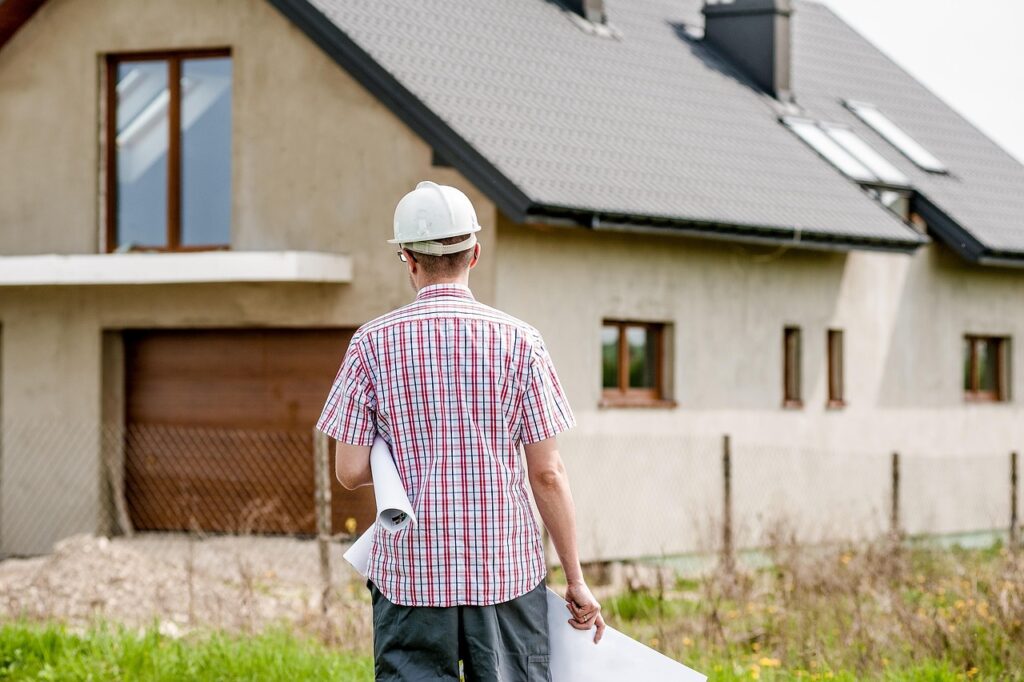
Planning a phased whole home remodel in Southwest Florida requires more than a wish list and a budget spreadsheet. In Lee and Collier counties, homeowners face year-round humidity, coastal corrosion, storm-season planning, slab-on-grade construction, and current local code requirements that can affect plumbing, electrical, structural, and opening-protection work. Tackling a full renovation all at once strains finances and makes the house nearly unlivable for months. Breaking the project into logical phases keeps the budget manageable, reduces contractor conflicts, and helps each trade finish in the right order so you are not cutting open a freshly tiled wall to run a missed drain line.
Why Phasing Matters More in Southwest Florida Than in Other Climates
In most parts of the country, sequencing a remodel is primarily a budget exercise. In Southwest Florida (whether you own a mid-century concrete block home in Cape Coral or a newer CBS construction in Estero) phasing is also a code and climate exercise. Florida Building Code requirements mean that once you open certain structural systems, inspections are triggered that pull adjacent scopes into the permit. A homeowner who starts with a kitchen remodel and accidentally exposes structural masonry may find the county now requires a wind-load engineering review before closing the wall. Understanding these triggers before you break ground is essential.
There is also the occupancy question unique to SWFL. Many homeowners are snowbirds who spend summers in the Northeast or Midwest, which actually creates an ideal remodeling window. Scheduling your most disruptive phases (whole-house re-plumbing, HVAC replacement, roof replacement) during the May-through-September off-season keeps the house vacant while trades work freely, and avoids the premium labor rates that arrive when snowbird season floods the market with competing projects from October through April.
Humidity is a sequencing concern on its own. Drywall, paint, and flooring (particularly engineered hardwood or LVP) should never be installed while the structure is exposed to Florida’s ambient moisture. A phased approach lets you close the building envelope first (roof, windows, exterior doors) so interior finishes go in under controlled, air-conditioned conditions. Skipping that logic means wavy flooring and peeling paint within a single rainy season.
Finally, Lee County permit timelines run 4–8 weeks for larger residential permits under normal conditions. Pulling all permits simultaneously on a whole-home renovation ties up approvals and creates scheduling pile-ups. Phasing lets you submit permit applications in a rolling fashion (each approved before the next trade mobilizes) reducing idle time on the job.

Phase 1: Structural, Envelope, and Mechanical Systems First
The cardinal rule of any phased whole home remodel is to work from the outside in and from the top down. Phase 1 should address everything that keeps water and wind out of the structure, and everything buried inside walls, ceilings, and slabs that would require destructive access later.
Roof and Exterior Envelope
In Southwest Florida, tile roofs are the dominant product, and a warranted tile system carries a 30–50 year lifespan if properly maintained. If your tile roof is older than 25 years or if it lacks a secondary water barrier, Phase 1 is the time to replace it or add a peel-and-stick membrane underlayment, which current Florida Building Code now requires on new roofs. Combining a roof replacement with a Phase 1 exterior package (hurricane impact windows, impact-rated exterior doors, and updated soffit and fascia) means all penetrations and flashing are done in one mobilization. This avoids the expensive and messy scenario of replacing windows after a new roof is already installed.
Plumbing, Electrical, and HVAC Rough-In
Slab-on-grade construction common throughout Lee and Collier counties means your drain lines run under the concrete floor. If a kitchen or bathroom layout change is planned in any future phase, the underground plumbing must be rerouted in Phase 1: before you pour new concrete or lay tile. This is also the phase to upgrade your electrical panel if you’re adding circuits for an induction range, EV charger, or dedicated mini-split heat pump. HVAC duct redesign, if needed, happens here as well. Plan for R-30 attic insulation in Florida’s Climate Zone 2 at minimum when you’re opening the attic for duct work. Budget for Phase 1 mechanical work typically runs $25,000–$60,000 for a 2,000 sq ft CBS home depending on the scope.
Impact Window and Door Installation
Hurricane impact glass meets the ASCE 7-22 wind load standards required throughout SWFL. Installing impact windows during Phase 1 eliminates the need for storm shutters, improves energy performance year-round, and qualifies most homeowners for homeowner’s insurance discounts; often recouping 10–20% of the window cost over several years of reduced premiums. Coordinate glazing installation with your insulation contractor so spray foam or batt insulation around the new rough openings is completed before drywall goes up.
Phase 2: Insulation, Drywall, and Interior Rough Finishes
Once the envelope is sealed and all mechanical rough-ins pass inspection, Phase 2 closes the walls and ceilings. This is a critical sequencing checkpoint: no flooring, cabinetry, or finish work should begin until the structure is dried in and the HVAC system is running. In Southwest Florida, even a few weeks of uncontrolled humidity inside a newly drywalled home can produce enough moisture in the wall cavities to create mold conditions before the paint is dry.
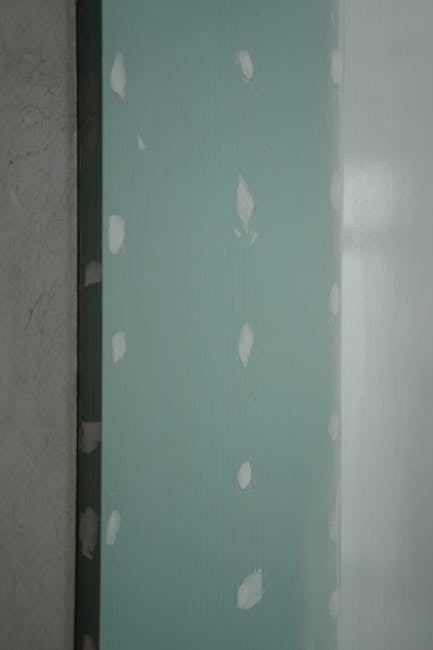
Drywall for most SWFL interior work should be standard 5/8″ Type X or moisture-resistant greenboard in bathrooms and laundry rooms. After drywall is hung, taped, and primed, interior doors and trim go in; this is where your paint contractor establishes color and sheen on walls and ceilings before the floor goes down, protecting finished floors from overspray and drips.
Interior rough finishes also include tile backer installation in shower and tub areas. Large-format porcelain tile (24×24 or 12×24 panels) is the most practical choice for SWFL bathrooms because it resists the moisture and temperature swings that cause grout lines in smaller ceramic tiles to crack over time. Cement backer board and a waterproofing membrane behind all wet areas are non-negotiable in a climate where year-round AC operation still leaves bathrooms humid after every shower.
Budget range for Phase 2 on a mid-size SWFL home typically runs $15,000–$35,000, heavily influenced by ceiling height, trim complexity, and the number of wet areas being re-tiled. Working with a licensed Florida general contractor who coordinates all subcontractors under one permit structure reduces the risk of trade conflicts that drive cost overruns in this phase.
Phase 3: Flooring, Kitchen, and Primary Bathroom
Phase 3 is where the visible transformation happens, and it’s also where budgets most commonly run off track if sequencing discipline isn’t maintained. Flooring goes down first across all living areas before cabinetry is set, because floating LVP or large-format tile needs to run uninterrupted beneath toe kicks. In SWFL homes, LVP is the most practical whole-home flooring choice; it handles the combination of humidity, hard slab substrate, and occasional tracked-in pool water better than solid hardwood. Quality LVP at 8mm or thicker, with an attached underlayment, runs $4–$7 per square foot installed. Shellstone or travertine pavers work well in screened lanai areas but require sealing annually in a salt-air environment.
Kitchen renovation is the single highest-ROI scope in most whole-home projects, and it deserves its own mobilization plan. A full kitchen remodel in Fort Myers or Naples typically runs $45,000–$90,000+ for a semi-custom to custom cabinet package, quartz countertops, tile backsplash, new appliances, and updated lighting. The sequence within the kitchen sub-phase is: cabinets and appliance rough-in → countertop template and fabrication (typically a 10–14 day lead) → backsplash tile → finish plumbing and electrical trim. The kitchen remodeling process alone typically takes 4–8 weeks from demolition to punch-list. Quartz is the dominant countertop choice over granite for SWFL kitchens because its non-porous surface resists the mold and staining that open-grained stone surfaces accumulate in a high-humidity environment.
Primary bathroom renovation follows the kitchen because it uses many of the same tile, fixture, and countertop suppliers. Coordinating these scopes in the same phase reduces material lead time delays and keeps the tile setter mobilized across both rooms. Large walk-in showers with frameless glass enclosures, dual vanities with quartz tops, and soaking tubs are the most requested upgrades in SWFL primary baths, where the indoor-outdoor lifestyle demands a spa-quality space.
According to the National Association of Home Builders, kitchen and bath renovations consistently return 60–80% of their cost at resale in strong markets: a figure that holds particularly well in coastal Florida markets where move-in-ready homes command premium prices.
Phase 4: Secondary Rooms, Outdoor Living, and Punch List
With the structural envelope, mechanicals, and high-traffic living spaces complete, Phase 4 addresses secondary bedrooms, guest bathrooms, laundry rooms, garage upgrades, and outdoor living areas. This phase has the most scheduling flexibility, which is why it belongs last; you can expand or contract the scope based on remaining budget without disrupting previously finished spaces.
In Southwest Florida, outdoor living scopes are often larger investments than secondary bedroom work. A new screened pool enclosure (or re-screening an existing one after hurricane damage) typically costs $10,000–$25,000 depending on size and frame condition. Pool deck resurfacing with shellstone or travertine pavers, or a spray-applied cool deck coating, runs $8–$15 per square foot. Trex composite decking is well-suited for dock and elevated deck applications but less common for ground-level pool decks where the heat retention of a dark composite surface is uncomfortable in July.
Outdoor kitchens, pergolas, and storm-rated screen enclosure upgrades fall into this phase as well. Attached structures may require permits, engineering review, product approvals, and floodplain checks depending on the address and scope. Confirm those requirements with your contractor during the design phase to avoid costly field corrections.
Punch list and final inspections close out the project. A disciplined contractor uses a written punch list reviewed with the homeowner before any final payment is released. Lee County’s Certificate of Occupancy (or Certificate of Completion for renovations) is the official sign-off that all permitted work has passed inspection, and it’s documentation you’ll want in hand for both insurance purposes and future resale disclosure. Total timeline for a phased whole-home remodel in SWFL typically runs 9–18 months when sequenced across multiple permit cycles, versus 6–9 months if all phases overlap aggressively under a single general contract.
Frequently Asked Questions
Do I need separate permits for each phase of a phased whole-home remodel in Lee County?
Generally, yes. Each major scope (roofing, electrical, plumbing, mechanical, and structural work) requires its own permit in Lee County. Some contractors will pull a master building permit that covers multiple trades under one application, but individual trade permits (plumbing, electrical, HVAC) are still required separately. Lee County permit timelines typically run 4–8 weeks for residential projects, so rolling permit submissions in advance of each phase is critical to avoiding schedule gaps.
Can I live in the house during a phased whole-home remodel?
It depends on which phase is active. Most homeowners can remain in the house during Phase 3 (kitchen and bath) if temporary kitchen facilities are arranged and one bathroom remains functional. Phase 1 (particularly roof replacement, impact window installation, and re-plumbing) is highly disruptive and often generates dust, noise, and temporary weather exposure that makes occupancy impractical. SWFL snowbirds often schedule Phase 1 during their summer absence, which is the most efficient approach.
What is the biggest sequencing mistake homeowners make in SWFL whole-home remodels?
Installing flooring or cabinetry before the building envelope is sealed and the HVAC system is running. Southwest Florida’s ambient humidity (consistently above 70% during the rainy season) will cause LVP to expand, hardwood to warp, and cabinet boxes to absorb moisture before finishing coats are applied. Sealing the roof, windows, and exterior doors in Phase 1 and running the air conditioning throughout interior finish work prevents material damage that can cost tens of thousands of dollars to correct.
How do I manage budget creep across multiple phases of a large remodel?
Set a contingency reserve of 10–15% per phase, not just for the overall project. In SWFL, slab-on-grade homes frequently reveal surprises during Phase 1: corroded cast-iron drain lines under the slab, undersized electrical panels, or inadequate hurricane strapping on roof trusses. Identifying and pricing these conditions during a thorough pre-construction inspection reduces mid-phase surprises. A detailed, scope-specific contract with your general contractor (rather than a time-and-materials agreement) also provides stronger budget controls.
Alliance Construction & Renovation is a licensed Florida general contractor serving Fort Myers, Cape Coral, Naples, Bonita Springs, Lehigh Acres, and the surrounding SWFL region. Whether you’re planning a multi-phase whole-home transformation or ready to start with a kitchen remodel as Phase 1, our team manages every permit, trade, and inspection; so nothing is missed and every phase is built to Florida code. Call us at (239) 771-2855 to schedule a consultation and get a sequencing plan tailored to your home and budget.
We Serve Southwest Florida
Alliance Construction provides remodeling services in Cape Coral, Naples, Bonita Springs, Estero, North Fort Myers, and Punta Gorda. View all services →