


Homeowner guide
Living at Home During a Renovation
Living at home during a renovation saves the cost of temporary housing and keeps you close to daily decisions, but it only works with a plan for dust, noise, utilities, and routines. Most Fort Myers and Southwest Florida homeowners stay put through kitchen, bathroom, and multi-room projects. This guide covers the logistics that make that livable, and our general contracting services team builds these arrangements into the schedule from day one.
Take Dust Control Seriously, Especially in Older Homes
Demolition and drywall phases generate far more dust than most homeowners expect, and it travels through doorways, along hallways, and through HVAC ductwork whenever the system runs during work hours. Ask your contractor to describe containment before the project starts: plastic barriers at the work zone, sealed supply and return vents inside it, walk-off protection on travel paths, and cleanup at the end of each day. In an occupied house, containment is not a courtesy; it is what keeps the rest of the home usable.
Filtration habits round out the containment plan. Run fresh HVAC filters during the project and change them more often than usual, then once more after the final clean. Some crews add portable air scrubbers in the work zone during heavy dust phases, which is worth requesting for longer projects.
Home age raises the stakes. For housing built before 1978, work that disturbs painted surfaces is generally covered by the EPA Renovation, Repair and Painting program, which requires trained and certified firms plus specific dust-control practices, subject to defined exceptions. If your home falls in that range, ask how the firm handles paint-disturbing work and containment; the answer tells you a great deal about its occupied-home discipline overall. Source: EPA Renovation, Repair and Painting Program.
Set Up Temporary Living Zones
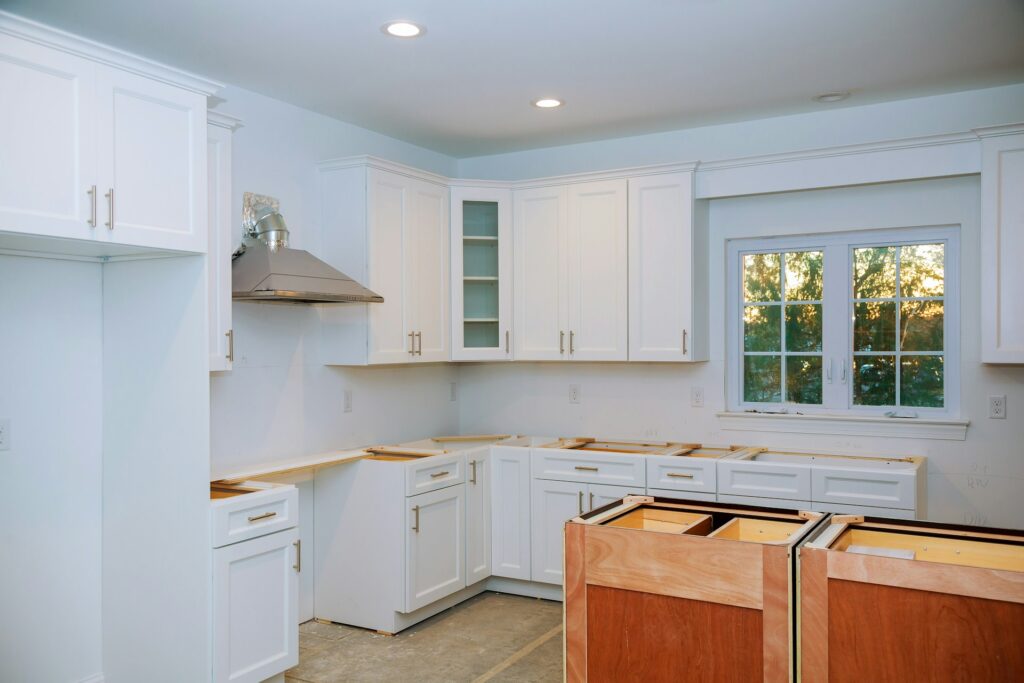
A kitchen project means several weeks without your sink, stove, and counters. A folding table, microwave, toaster oven, electric kettle, and a mini fridge in another room cover most meals, and a utility sink in the laundry room or garage handles the dishes.
Designate at least one sealed room the dust cannot reach, ideally a bedroom, with a portable HEPA purifier running. If the only bathroom is in scope, arrange an alternative for the few days plumbing is fully offline, or ask about a temporary restroom for longer renovations.
Protect Belongings, Children, and Pets
Move furniture, electronics, and artwork out of the work zone before demolition begins, and cover what remains in adjacent rooms with drop cloths or plastic sheeting. Dust reaches farther than expected, even through closed doors when the air handler runs.
An active work zone holds exposed nails, sharp edges, open electrical, and power tools, so keep children and pets out at all times with a gate or temporary partition at the entry. Walk the safety plan with your contractor on the first day, including where crews park and where the dumpster sits.
Agree on the Ground Rules Before Work Starts
Most friction in an occupied-home project comes from surprises rather than from the work itself. A short set of written ground rules, agreed before the first trade arrives, keeps the household and the crew predictable to each other through every phase. Three agreements do most of that work, and each one takes minutes to put in writing.
- Fix the schedule and work hours. Get a weekly look-ahead that flags the noisiest days, planned utility shutoffs, and any access needed outside the work zone. Confirm daily start and stop times up front so the household can plan around them.
- Define containment and household routes. Agree where barriers go, which door the crew uses, where materials stage, and which paths stay clean. Put end-of-day cleanup expectations in writing so the house resets every evening.
- Set one communication channel. Name a single point of contact on each side, agree on how decisions get recorded, and hold a brief weekly check-in so small issues surface while they are still small.
Decide Which Phases Are Worth Leaving For
Staying home does not have to be all or nothing. Most phases of a renovation are noisy but livable; a few are genuinely disruptive, and it is worth identifying them in advance. Demolition days and tile cutting top the noise list, and planned water or power shutoffs can idle a household for a day. If anyone works from home, plan those specific days at an office, a library, or a coffee shop rather than testing noise-canceling headphones against a reciprocating saw.
A temporary setup makes the livable phases easier. During a kitchen project, move the coffee maker, microwave, and a small washing station to another room before demolition starts, and plan simple meals for the loudest weeks. The same thinking applies to bathrooms: agree with the crew on which one stays functional at every stage.
Community logistics deserve the same forethought. Crews need room for vehicles, deliveries, and often a dumpster, which can occupy part of the driveway for weeks, and many Southwest Florida homeowners associations set rules for contractor parking and dumpster placement that require advance notice. Confirm those requirements early so the schedule does not slip over paperwork. Then keep perspective: the disruption is temporary, a good crew leaves the site clean each evening, and a household that planned its exits enjoys the finished result sooner.
Frequently Asked Questions
Does the EPA lead paint rule apply to every renovation?
No. The Renovation, Repair and Painting program generally covers paint-disturbing work in homes built before 1978, with defined exceptions. Newer homes fall outside it, though dust containment still matters in any occupied project.
Can we stay home while our only bathroom is remodeled?
Usually, with planning. The bathroom is typically fully offline only for a short stretch during rough-in plumbing, so arrange an alternative for those days or ask about a temporary restroom for longer scopes.
Renovate Without Moving Out
Alliance Construction plans containment, schedules, and communication around the people still living in the house, from single rooms to whole-home renovations. When you are ready to talk through a project, request an estimate and describe how your household will live through it.
We Serve Southwest Florida
Alliance Construction provides remodeling services in Cape Coral, Naples, Bonita Springs, Estero, North Fort Myers, and Punta Gorda. View all services →