


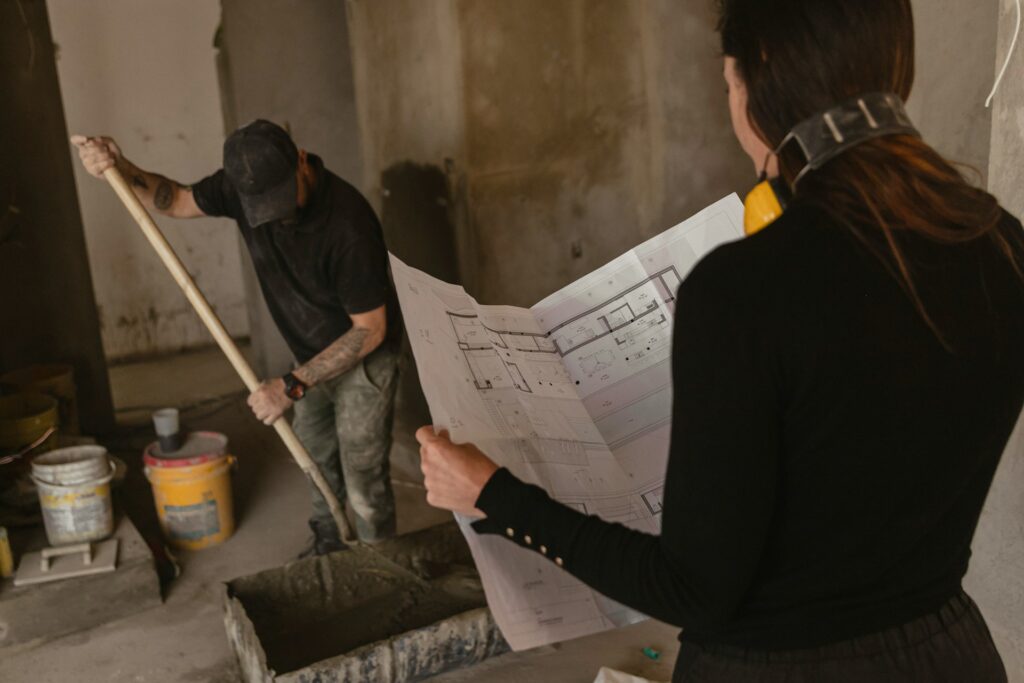
Planning a full home renovation in Fort Myers means juggling permits, timelines, and a dozen different trades; all in the right order. A solid home renovation checklist for Fort Myers homeowners keeps the project moving and prevents the kind of scheduling mistakes that lead to costly rework. Whether you’re gutting a 1980s ranch or modernizing a waterfront property, this phase-by-phase guide covers every trade you’ll need from demolition day to the final walkthrough.
At Alliance Construction & Renovation, we manage the full scope of residential renovations across Lee County. The checklist below reflects what we coordinate on every major project, and the specialists we bring in at each stage.
Phase 1: Demolition and Site Prep
Every renovation starts with clearing the way. Before any sledgehammer swings, you need the right permits and a plan for protecting the parts of your home that aren’t being touched.
- Secure permits from Lee County before any demo work begins. In Fort Myers, unpermitted demolition can result in stop-work orders and fines that delay your project by weeks.
- Identify load-bearing walls with a structural engineer if you’re removing walls. This is non-negotiable: removing a bearing wall without proper headers can compromise your roof structure.
- Set up dumpster rental and debris removal. A standard 20-yard dumpster handles most single-room demos, but full-home guts often require multiple hauls.
- Protect existing finishes in adjacent rooms with plastic sheeting, zip walls, and floor coverings. Drywall dust gets into everything. HVAC returns included.
Pro tip: Schedule your demolition for the beginning of the week. That way, if the dumpster company can’t pick up on time, you’re not sitting idle over the weekend with a full container blocking your driveway.
Phase 2: Structural and Framing Work
Once the space is cleared, framing defines the new layout. This is where your floor plan changes take physical shape: new walls go up, old doorways get relocated, and the skeleton of your renovation becomes real.
- Install steel beams or headers where walls were removed. Florida’s hurricane code requires engineered solutions for any structural modifications: your contractor should have stamped plans from a licensed engineer.
- Frame new walls, closets, and layout changes. Even small shifts (moving a doorway 18 inches, adding a closet) need to be framed accurately before any other trade can work.
- Reinforce subfloor if you’re adding tile or stone flooring. Large-format tile on a bouncy subfloor will crack within a year. Cement board underlayment or additional joists solve this.
- Schedule a framing inspection before closing walls. Lee County requires this, and passing it on the first try keeps your timeline intact.
This phase typically takes 3-5 days for a full home renovation, depending on the extent of layout changes. Rushing framing to save a day creates problems that haunt the project for months.
Phase 3: Plumbing and Electrical Rough-In
With the framing complete and inspected, it’s time for the mechanical trades to run their lines while the walls are still open. This is the most coordination-heavy phase: plumbers, electricians, and HVAC techs all need access to the same wall cavities.
- Run new plumbing supply and drain lines before drywall goes up. Relocating a kitchen sink or adding a bathroom means new supply lines, drain lines, and vent stacks; all of which need to be in place before walls close.
- Have your plumbing inspected before closing walls. Don’t forget to have your plumbing inspected before closing walls: Waterway Plumbing offers pre-renovation plumbing assessments that catch issues like corroded supply lines, undersized drain pipes, or polybutylene that should be replaced while access is easy.
- Relocate electrical panels and add circuits for kitchen appliances, bathroom GFCI outlets, and any new dedicated circuits required by code. Florida requires arc-fault protection on most bedroom circuits and GFCI protection in wet areas.
- Install HVAC ductwork modifications while walls are open. Adding a return air vent or rerouting supply ducts is simple now and nearly impossible after drywall.
A good general contractor sequences these trades so they’re not tripping over each other. Plumbing rough-in usually goes first, then electrical, then HVAC: each trade needs their inspection passed before the next phase.
Phase 4: Drywall, Stucco, and Interior Finishes
Once all rough-in inspections pass, it’s time to close up the walls. This phase transforms the construction zone back into rooms that actually look like a home.
- Hang and finish drywall after all rough-in inspections pass. Hanging drywall before inspections is a rookie mistake; if an inspector requires changes, you’re tearing out brand-new walls.
- Drywall and stucco work is best handled by specialists. Drywall and stucco work is best handled by specialists: CR Benge in Bonita Springs has been doing this across Lee County for years, and the quality difference between a dedicated drywall crew and a general laborer is visible in every seam and corner.
- Apply texture matching for repairs that blend with existing walls. Florida homes commonly have knockdown, orange peel, or skip-trowel textures. Matching the existing pattern so repairs are invisible takes experience and the right tools.
- Prime all new drywall before paint to ensure even coverage. Fresh drywall absorbs paint unevenly without primer; you’ll see every seam and patch if you skip this step.
The drywall phase is where the renovation finally starts looking like a finished product. Expect 5-7 days for hanging, mudding, sanding, and priming in a full-home project.
Phase 5: Flooring, Paint, and Final Touches
The home stretch. Flooring, paint, cabinetry, and fixtures bring the project to life, but the order still matters. Installing flooring before overhead work is done means you’re protecting new floors from paint drips and drywall dust.
- Install flooring after all overhead and wall work is complete to avoid damage. Tile, hardwood, and luxury vinyl plank all scratch easily during construction. Wait until the ceilings are painted and trim is primed.
- Apply two coats of paint on walls and trim. Florida humidity demands quality exterior-grade paint on porches and lanais: interior spaces do best with satin or eggshell finishes that resist mildew.
- Install cabinetry, countertops, and fixtures. Cabinets go in before countertops, and countertops go in before plumbing fixtures. Granite and quartz fabricators need a template from installed cabinets.
- Schedule final inspections and obtain your certificate of completion from Lee County. This closes out all open permits and confirms the work meets Florida Building Code.
A full home renovation in Fort Myers typically runs 8-16 weeks depending on scope. The key to staying on schedule is having every trade lined up before Phase 1 begins; not scrambling to find a flooring installer in Phase 5.
Ready to Start Your Fort Myers Home Renovation?
A renovation this complex needs a general contractor who coordinates every phase, every trade, and every inspection. Alliance Construction & Renovation manages full home renovations across Fort Myers, Cape Coral, and Lee County. Call us at (239) 244-4341 to walk through your project scope and get a detailed estimate.
Frequently Asked Questions
How long does a full home renovation take in Fort Myers?
Most full home renovations in Fort Myers take 8-16 weeks depending on the scope of work. Projects that involve structural changes, permit reviews, and multiple trades tend toward the longer end. The biggest factor is how well trades are sequenced: delays in one phase cascade through the entire timeline.
Do I need permits for a home renovation in Lee County?
Yes. Any work involving structural modifications, plumbing, electrical, or HVAC changes requires permits from Lee County. Even cosmetic renovations that involve removing walls or changing window openings trigger permit requirements. Your general contractor should handle all permit applications and inspection scheduling.
What order should renovation trades be scheduled?
The standard sequence is: demolition, structural/framing, plumbing rough-in, electrical rough-in, HVAC, insulation, drywall, flooring, paint, cabinetry, fixtures, and final inspections. Each trade must complete their inspection before the next phase begins. Skipping ahead (like hanging drywall before a plumbing inspection) creates expensive rework.