


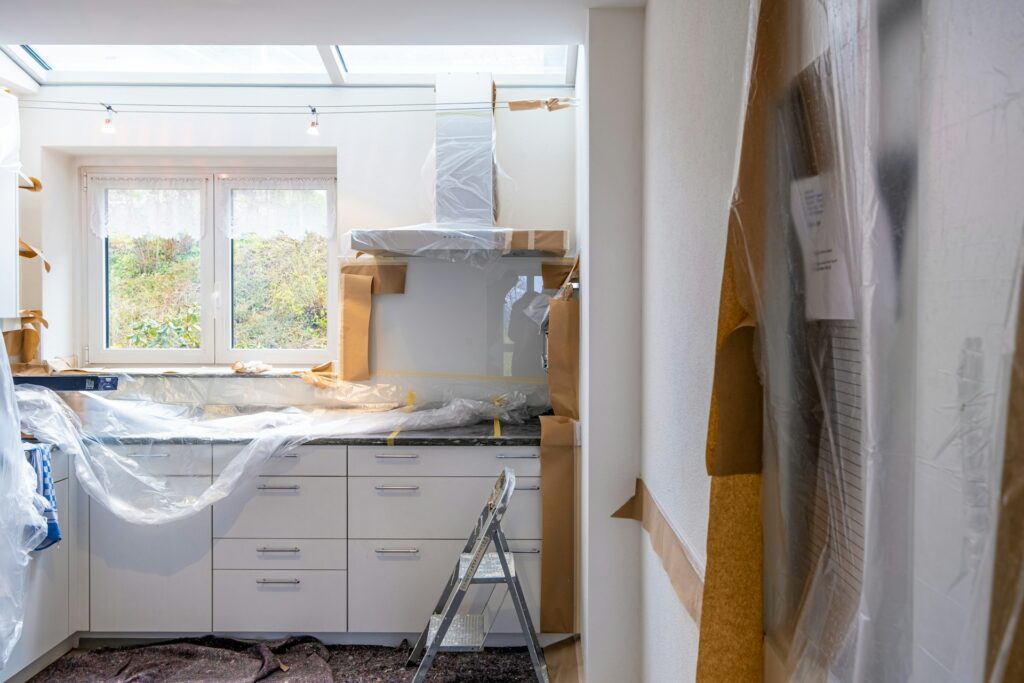
Before you start tearing out walls or selecting finishes for your renovation, it pays to know exactly what you are working with. A thorough pre-renovation inspection helps you avoid costly surprises, budget accurately, and make sure your project complies with current Florida Building Code requirements. Whether you are tackling a kitchen, bathroom, or whole-home renovation, this checklist covers what to evaluate first.
Structural Assessment
Start with the bones of the house. An older Southwest Florida home may have settling, foundation cracks, or framing issues that need to be addressed before any cosmetic work begins.
- Check for cracks in the foundation or slab: hairline cracks are common, but wide or uneven cracks need evaluation
- Look for sagging or uneven floors, which can indicate structural settling or damaged floor joists
- Inspect load-bearing walls; if your renovation involves removing a wall, you need to confirm whether it is structural
- Check the roof structure for signs of water damage, especially if you are renovating upper-floor rooms
Electrical System
Many Florida homes built before the 1990s have electrical panels and wiring that do not meet current code. Renovations that change the electrical load (adding outlets, new lighting, or appliances) will trigger code requirements for the updated areas.
- Identify the electrical panel capacity (100-amp vs 200-amp service)
- Check for aluminum wiring, which was common in Florida homes from the late 1960s through mid-1970s
- Verify that GFCI outlets are present in kitchens, bathrooms, and outdoor areas
- Confirm the panel has enough capacity for your planned renovation
Plumbing Condition
Plumbing problems hidden behind walls can derail a renovation timeline and budget fast.
- Determine the pipe material: polybutylene pipes (common in Florida homes from the 1980s and 1990s) are prone to failure and should be replaced during any major renovation
- Check water pressure at multiple fixtures
- Look for signs of leaks under sinks, around toilets, and at the water heater
- Inspect the water heater age and condition; if it is over 10 years old, plan for replacement
HVAC and Ductwork
If your renovation changes the size or layout of rooms, your existing HVAC system may need adjustments to heat and cool the space properly.
- Note the age and condition of the AC unit (typical lifespan in Florida is 10 to 15 years)
- Check for ductwork leaks, especially in attic runs
- Evaluate whether the current system can handle the renovated space
Moisture and Mold
Florida’s humidity makes moisture problems more common here than in drier climates. Before opening up walls, check for warning signs.
- Look for water stains on ceilings and walls
- Check under sinks and around windows for mold or musty odors
- Inspect the attic for condensation or mold on the underside of the roof deck
- Test bathrooms for adequate ventilation: exhaust fans should vent to the exterior, not into the attic
Code Compliance
When you pull a permit for a renovation in Florida, the work must meet the current Florida Building Code; not the code that was in effect when the home was built. This means your general contractor needs to identify any areas where the existing conditions fall short of current requirements.
- Smoke and carbon monoxide detector placement
- Window impact ratings or hurricane protection in coastal zones
- Energy code requirements for insulation and windows
- ADA considerations if the renovation involves a bathroom
A pre-renovation inspection is not an expense; it is an investment that prevents surprises and protects your budget. Alliance Construction includes a thorough assessment as part of our planning process for every renovation in Fort Myers and Southwest Florida. Call (239) 244-4341 to get started.
We Serve Southwest Florida
Alliance Construction provides remodeling services in Cape Coral, Naples, Bonita Springs, Estero, North Fort Myers, and Punta Gorda. View all services →