


Why Cape Coral Homeowners Are Adding Covered Lanais
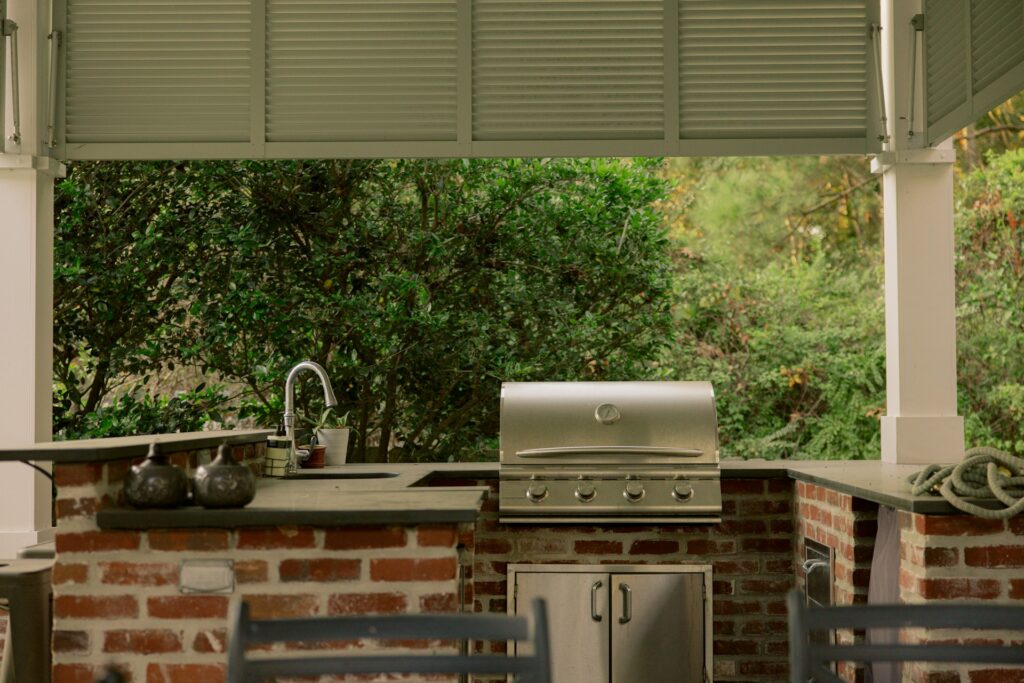
A covered lanai is one of the most popular home additions in Cape Coral, and it is easy to understand why. With year-round warm weather, afternoon rain showers, and strong sun, a covered outdoor living space lets you enjoy your backyard regardless of conditions. Cape Coral’s canal-front properties and spacious lots are especially well-suited for lanai additions that become the most-used room in the house.
Design Options for Your Lanai
Covered lanais come in several configurations, each with different benefits:
- Attached patio cover with aluminum roof: The most common and cost-effective option. An aluminum insulated roof panel attaches to the existing roofline and spans 10 to 20 feet outward. Provides rain protection and significant shade.
- Extended roof match: The lanai roof is built to match your home’s existing roof material (shingle, tile, or metal). This creates a seamless look and typically adds more value than a standalone aluminum structure.
- Hip roof lanai: A four-sided sloped roof that provides a more finished architectural look compared to a flat or shed-style cover. Hip roofs also perform better in high winds.
- Gable roof lanai: A peaked roof that allows for cathedral ceiling height underneath. This option opens the space vertically and creates an impressive entertaining area.
Your choice depends on budget, the existing roofline, and how you plan to use the space. A flat insulated panel works great for a simple outdoor dining area, while a matching hip or gable roof is better if you want the lanai to feel like a true extension of your home.
Permits and Code Requirements in Cape Coral
A covered lanai addition in Cape Coral requires a building permit from the City of Cape Coral Building Division. Here is what the permitting process involves:
- Site plan: Shows the lanai’s position relative to property lines and setback requirements. Cape Coral has specific rear and side setback distances that your addition must respect.
- Structural plans: Engineered drawings showing post footings, beam connections, and roof attachment details. All structures must meet Florida Building Code wind load requirements for our exposure category.
- Electrical permit: Required if you are adding ceiling fans, recessed lighting, or outlets to the lanai.
- Inspections: Footing, framing, and final inspections are standard for lanai additions.
Plan review in Cape Coral typically takes two to three weeks. Your contractor submits plans, responds to any review comments, and schedules inspections at each construction phase.
Cost Expectations for Cape Coral Lanai Projects
Here are typical cost ranges for covered lanai additions in the Cape Coral area in 2026:
- Basic aluminum insulated roof cover (12×20 feet): $8,000 to $15,000
- Matching roof extension with screen enclosure (14×24 feet): $20,000 to $40,000
- Full lanai build-out with pavers, fan, lighting, and screen (16×28 feet): $35,000 to $65,000
Factors that affect pricing include roof type, column materials (aluminum vs. concrete block), flooring choice, electrical work, and whether you are adding a screen enclosure around the space.
Making the Most of Your New Lanai
Once the structure is built, furnish and equip it for maximum use:
- Install ceiling fans for air circulation: ideally rated for damp locations.
- Add recessed LED lighting for evening entertaining.
- Choose outdoor furniture rated for UV and moisture resistance.
- Consider an outdoor TV with a weatherproof enclosure for game days and movie nights.
- Install a ceiling-mounted screen for bug protection that rolls up when not needed.
Alliance Construction designs and builds covered lanai additions for homeowners throughout Cape Coral and Southwest Florida. We handle design, permitting, and construction from start to finish. Call (239) 244-4341 to Request an Estimate on your lanai project.
We Serve Southwest Florida
Alliance Construction provides remodeling services in Cape Coral, Naples, Bonita Springs, Estero, North Fort Myers, and Punta Gorda. View all services →