


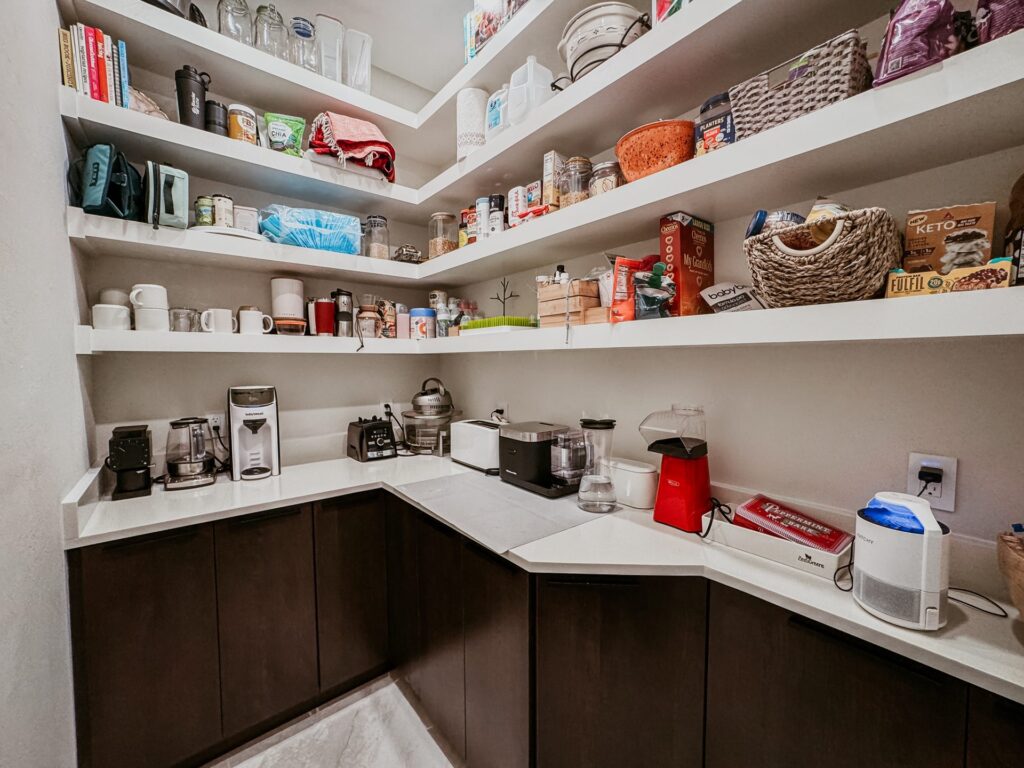
Corner cabinets can either become the most frustrating spot in your kitchen or one of the most useful. The difference usually comes down to planning corner cabinet storage solutions around what you can actually reach, not what looks clever on a showroom floor. In Fort Myers, Naples, Cape Coral, Estero, Bonita Springs, North Fort Myers, and Punta Gorda, many kitchens sit on slab construction with fixed walls and limited room to widen aisles, so your corner choice has to work with the layout you already have. If a shelf feels deep, blocked, or awkward on day one, it usually gets worse once dishes, pans, and small appliances start filling the cabinet.
Match the corner cabinet type to the way you cook
Most kitchen corners fall into one of two situations: a blind corner, where one cabinet runs into another and part of the storage disappears behind the opening, or a diagonal corner, where the cabinet face angles across the corner. Both can work well, but they store items differently and change how you move in front of the cabinet.
Blind corners keep a straighter cabinet run
A blind corner cabinet keeps the look of standard cabinets along each wall. That can help when you want a simple run of drawers, a centered sink wall, or uninterrupted counter space. The tradeoff is access. Part of the cabinet sits beyond the door opening, so storage in the back needs some kind of pull-out or reach-in plan.
This option usually works best when you already know what will go into the cabinet. Mixing everyday plates, heavy cookware, and rarely used serving pieces in the same blind corner often turns it into a clutter zone.
Diagonal corners can feel more open at the door
A diagonal corner cabinet cuts across the corner and creates a larger front opening. That opening can be easier to use for bigger items, especially if you prefer shelves or a rotating organizer. The cabinet takes up the corner more visibly, though, and it changes the shape of the countertop and nearby drawer runs.
In a compact kitchen, that angled face can affect walking space near the sink, range, or dishwasher. Before choosing it, stand in the corner area and picture two people moving past each other with the cabinet door open.
Industry guidance notes that corner units are commonly used where L-shaped or U-shaped cabinet runs meet, and different access systems are designed for those intersections. That is a useful starting point when comparing layouts, especially for blind corners versus more open corner fronts. See the Fabuwood corner cabinet guide for a general overview.

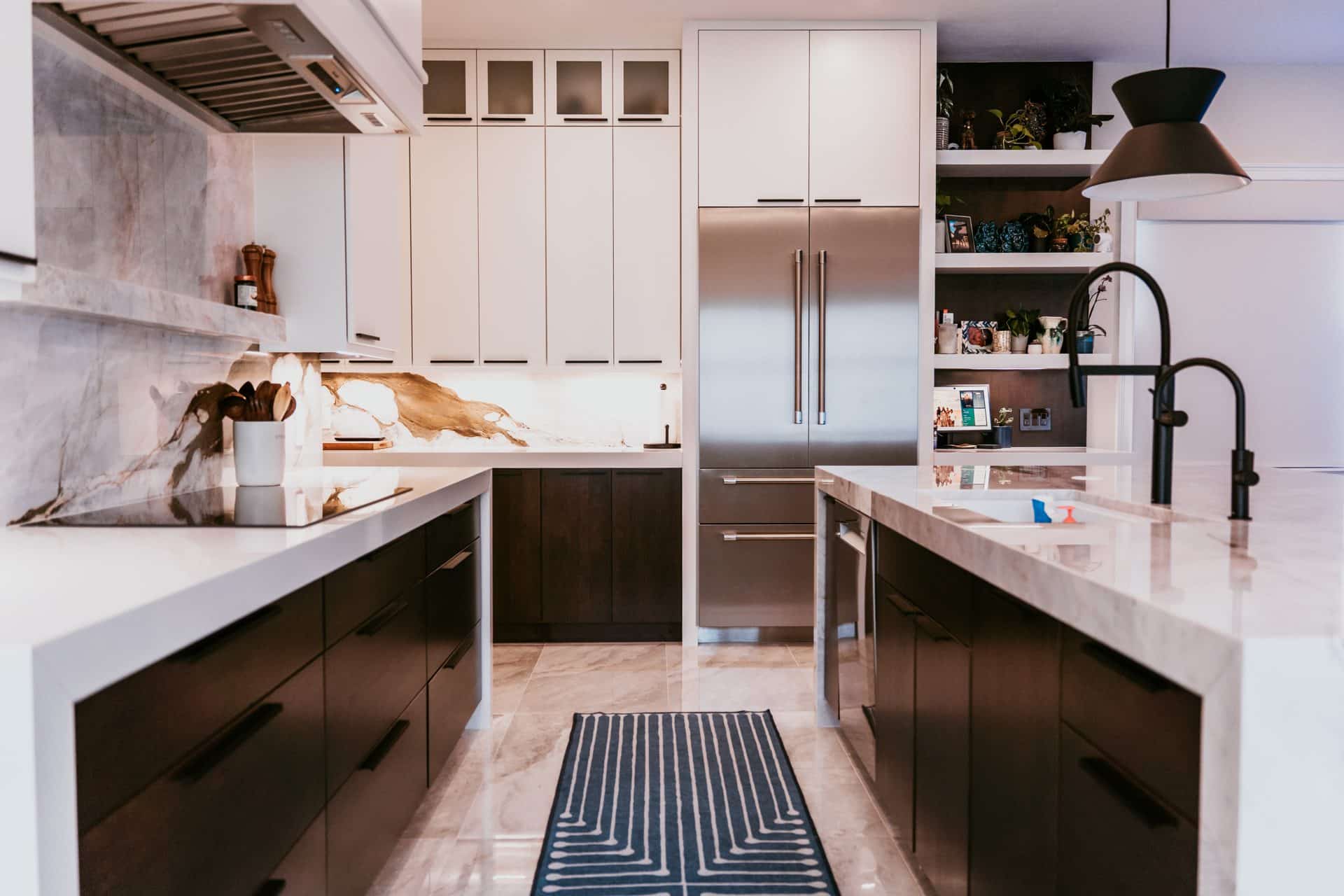
Choose corner cabinet storage solutions based on reach, not storage volume
Homeowners often focus on how much a corner cabinet can hold. A better question is how much of that storage you will use without bending, kneeling, unloading half the cabinet, or forgetting what is in the back. Reach is what makes a corner system successful.
Rotating shelves are best for items you use often
A rotating shelf system works well when you want to see several items at once and move them to the front quickly. Bowls, mixing containers, everyday cookware, and medium pantry items often fit well here. Rotation is especially helpful for people who dislike digging into deep cabinets.
Still, rotating systems are not magic. Tall or oddly shaped items can tip, catch, or waste space. If you store bulky stockpots, appliance attachments, or large platters, test whether those pieces really suit a rotating shelf before you commit.
Pull-out systems reduce the lost space in blind corners
Blind corner pull-outs bring part of the cabinet contents toward you in stages. Some systems pull forward and swing, while others slide items from the hidden zone into the opening. These can be very practical when you want to make deep space easier to use without changing the whole cabinet layout.
The best use for a blind corner pull-out is medium-weight kitchen gear that you want contained but visible. Think sauté pans, bakeware, food storage containers, or small serving dishes. If the mechanism has to fight against overloaded shelves every day, the cabinet becomes harder to enjoy.
Simple shelves still make sense in some corners
Not every corner needs a specialty insert. A standard shelf can still work if the opening is generous and the contents are light, simple, and not used every day. Seasonal platters, extra paper goods, or backup countertop accessories may be fine on a fixed shelf.
What usually fails is using a plain deep corner shelf for your busiest kitchen tools. If you need to crouch and reach into darkness every time you want a pan lid, the storage is technically there but practically lost.
Check door swing, drawer clearance, and nearby appliances before you decide
The most attractive corner storage system can be the wrong one if it collides with another part of the kitchen. In Southwest Florida remodels, especially in existing homes where the footprint stays the same, small clearance issues are often what decide whether a cabinet feels smooth or annoying.
Look at the full open path, not just the cabinet itself
A corner cabinet needs room for the door, the user, and sometimes the storage insert to move at the same time. If the dishwasher door drops nearby, if the refrigerator projects into the aisle, or if the island sits close to the corner, a large pull-out may become awkward to use.
This is why a plan view alone is not enough. You need to think through the body position required to open the cabinet and remove items. A corner by a busy prep zone may call for a simpler, faster-access system than a corner farther from the action.
Drawer stacks near corners need special attention
Many remodeled kitchens now favor deep drawers over lower shelves, and for good reason. Drawers are easier to organize and easier on your back. But drawers near a corner can limit the width or swing of the adjacent corner door. Handles and knobs can also conflict when two fronts open at once.
If you are already planning new custom cabinetry, this is the time to solve those conflicts on paper before boxes are built. Small front adjustments, filler space, or a different door style can make the kitchen feel much more comfortable in daily use.
Think about who uses the kitchen during seasonal visits
Southwest Florida homes often host visiting family, grandkids, or seasonal guests. A complicated corner mechanism may be easy for you but confusing for others. If several people cook in the same kitchen at different times of year, favor a setup that is intuitive. The easier it is to understand at a glance, the more likely it will stay organized.
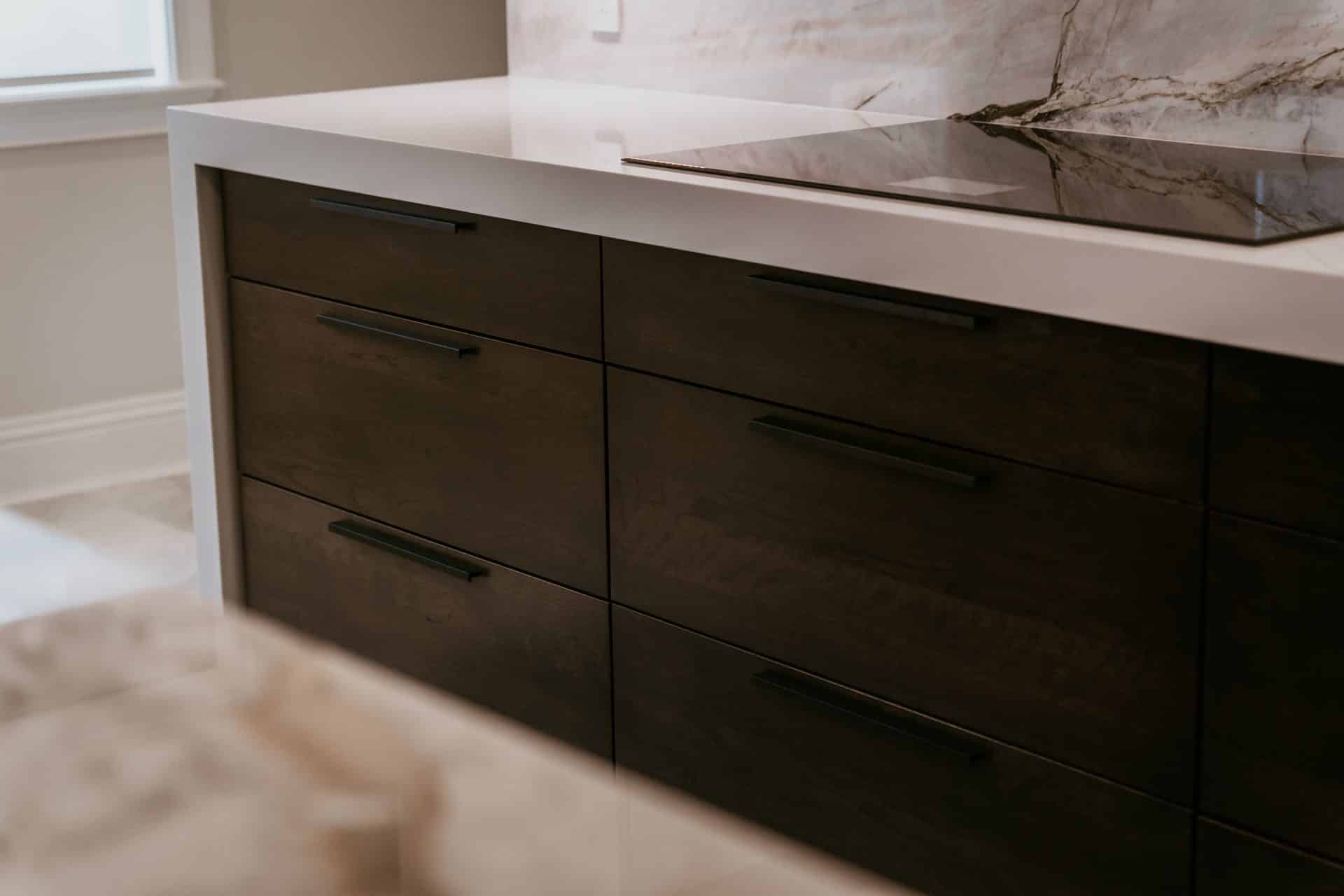
Plan the cabinet around what belongs there, not what you hope to hide
One of the biggest mistakes in corner planning is treating the cabinet like a leftover space for random overflow. Corner storage works best when it has a clear job. Before you choose hardware or door style, sort the items you expect to store there.
Good candidates for corner storage
Corner cabinets usually perform well when they hold categories such as:
- Mixing bowls and colanders
- Everyday pots and sauté pans
- Bakeware that stacks neatly
- Food storage containers with matching lids in bins
- Small countertop appliances used weekly, not daily
These groups are easier to manage because they are medium in size and can be grouped by use.
Poor candidates for corner storage
Some items almost always create frustration in corners:
- Heavy cast iron stored overhead or too far back
- Very tall appliances that waste vertical space
- Loose lids, cutting boards, and trays with no divider
- Daily coffee supplies if the corner is hard to access
- Cleaning supplies if plumbing or sink use competes nearby
These items either become hard to retrieve or make the cabinet feel chaotic.
Inventory first, then remodel
Before a kitchen remodeling project, pull the contents from your current problem cabinets and sort them into keep, relocate, and donate groups. You may discover that the corner does not need to store nearly as much as you thought. That can open the door to a simpler cabinet solution and better storage elsewhere in the kitchen.
This step is especially useful in older homes where homeowners are trying to correct years of overflow. A corner cabinet should support the kitchen, not absorb every difficult item that lacks a better home.
Build a corner storage plan that fits a Southwest Florida remodel
Corner cabinet choices do not happen in isolation. They tie into layout, finishes, and installation details throughout the room. In Fort Myers area remodels, keeping the work practical often means balancing accessibility with the limits of the existing shell.
Respect the existing footprint when it works
Many kitchens in Southwest Florida have workable cabinet runs but dated storage. If the room flows well and the issue is mostly access, changing the corner mechanism or cabinet configuration can solve the pain point without forcing a full layout overhaul. That can be especially helpful in slab homes, where moving major elements may create more disruption than benefit.
Humidity favors easy-to-maintain organization
Humidity itself does not decide your corner cabinet type, but it does support a simple rule: avoid packed, neglected storage. Deep cabinets that collect rarely used items can become dusty, stale, and annoying to empty during routine cleaning. A corner system you can actually see into and wipe down tends to stay in better shape over time.
Permitting and coordination still matter in larger kitchen updates
If your corner decision is part of a broader kitchen remodel that changes electrical, plumbing, or appliance locations, cabinet planning should happen early so the trades are working from the same layout. A corner next to a relocated sink, cooktop, or dishwasher often affects surrounding clearances more than homeowners expect. If you are comparing options for your home, the team at Alliance Construction & Renovation can review how the corner cabinet choice fits the rest of the kitchen plan.
Frequently asked questions about corner cabinet storage solutions
What is usually easier to use, a blind corner or a diagonal corner cabinet?
A diagonal corner often gives you a more open front access point, while a blind corner keeps the cabinet run straighter and may look cleaner in some layouts. The easier option is the one that fits your aisle space, door swing, and storage habits. If the cabinet is hard to reach when other doors or appliances are open, it will feel inconvenient no matter which type you choose.
Are rotating shelves always the best corner cabinet choice?
No. Rotating shelves are excellent for medium-size items that you use often and want to see quickly. They are less effective for very large, very tall, or awkwardly shaped items. If your cookware is bulky or your cabinet opening is limited, a pull-out system or even a well-planned fixed shelf may work better in everyday use.
Can corner cabinet storage be improved without changing the whole kitchen layout?
Yes, in many homes it can. If the kitchen footprint already works, a remodel may focus on replacing cabinet boxes, changing door styles, or adding a better corner access system within the existing run. This is common in Southwest Florida homes where homeowners want improved function without completely reworking the room’s structure or appliance placement.
What should I store in a corner cabinet to keep it useful?
Store items that are medium in size, stack neatly, and belong together. Good examples include mixing bowls, bakeware, sauté pans, and organized food containers. Avoid turning the corner into a catch-all for random overflow. The more specific the cabinet’s job is, the easier it is to reach what you need and keep the space organized.
Alliance Construction & Renovation helps homeowners in Fort Myers, North Fort Myers, Naples, Punta Gorda, Cape Coral, Estero, and Bonita Springs plan corner cabinet storage solutions that fit the way the kitchen is really used. Call (239) 771-2855 or request an estimate.