


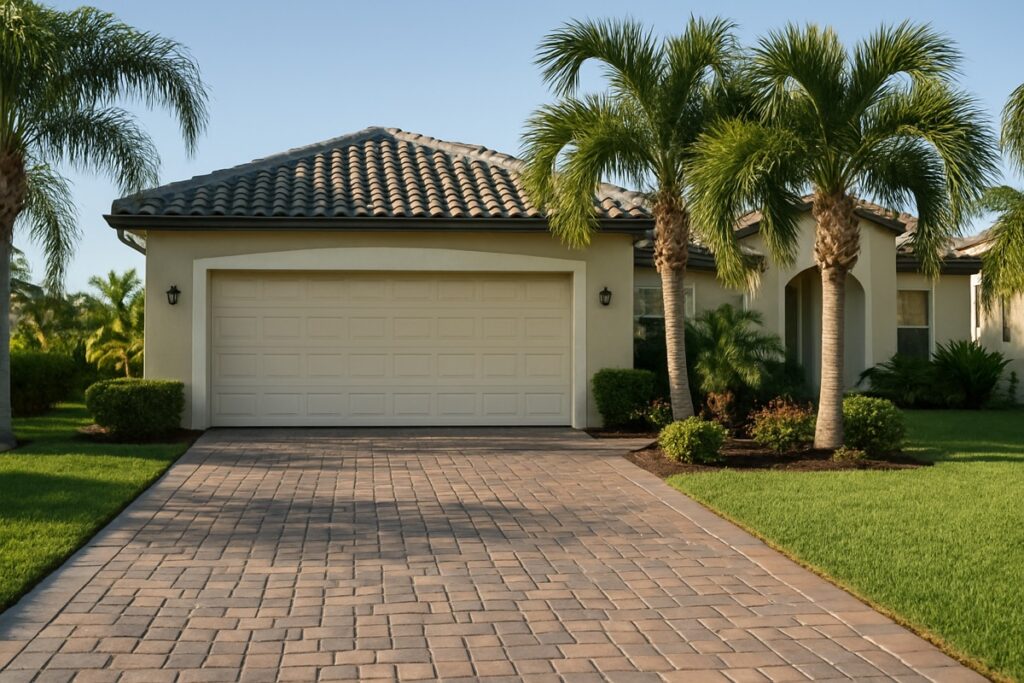
A driveway is one of the first things people see, and in Southwest Florida it takes a beating from sun, heavy summer rain, and the occasional flooding. The two most common choices are poured concrete and pavers. Both can serve a home well for decades, but they look, cost, and behave differently over time. Below, we walk through how the two compare so you can choose the right driveway for your home.
Poured concrete: simple and economical

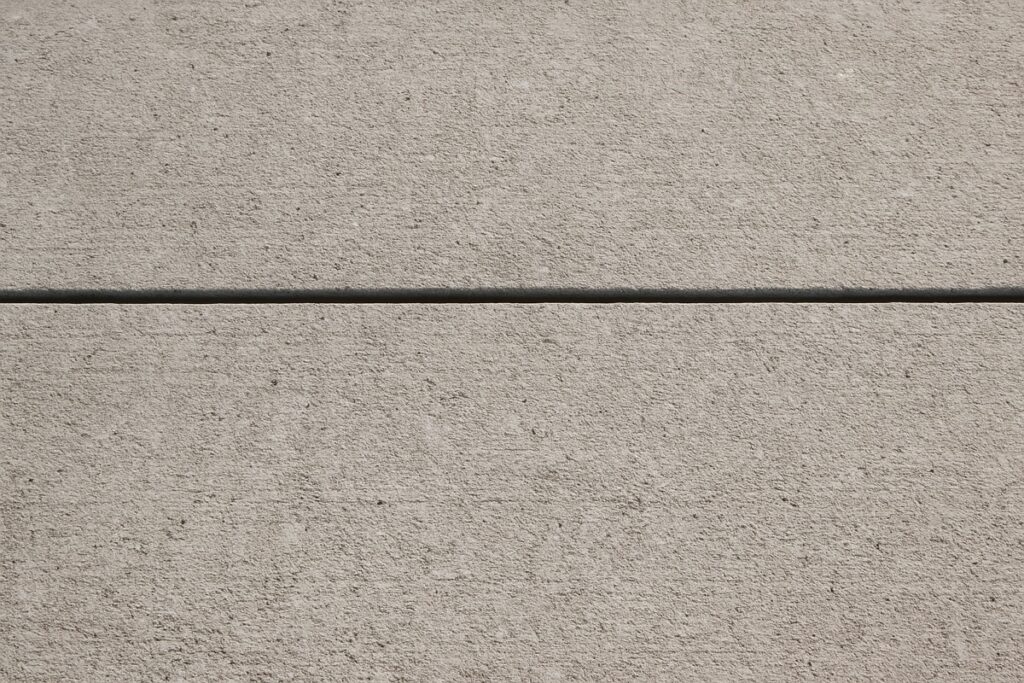
A poured concrete driveway is a continuous slab, which makes it the more economical option upfront and the simpler one to install. It gives a clean, uniform look that suits many home styles, and a properly poured and finished slab holds up to vehicle weight and Florida weather for years. The main considerations are cracking and appearance over time. Concrete naturally develops some cracking as it cures and settles, and while control joints manage where that happens, a large slab can show its age. Repairs to concrete are also harder to make invisible, since matching new concrete to weathered old concrete is difficult.
Pavers: durable and repairable
Paver driveways are built from individual units set over a prepared base, and that construction is their biggest advantage. Because the surface is made of many pieces, it flexes with ground movement rather than cracking like a single slab, which matters on Florida’s sandy soils. If a section is ever stained or damaged, individual pavers can be lifted and replaced, so a repair blends in instead of standing out. Pavers also offer far more design freedom, with a wide range of colors, shapes, and patterns that boost curb appeal. The trade-off is a higher upfront cost and the need to manage the joints over time.
Maintenance over the years
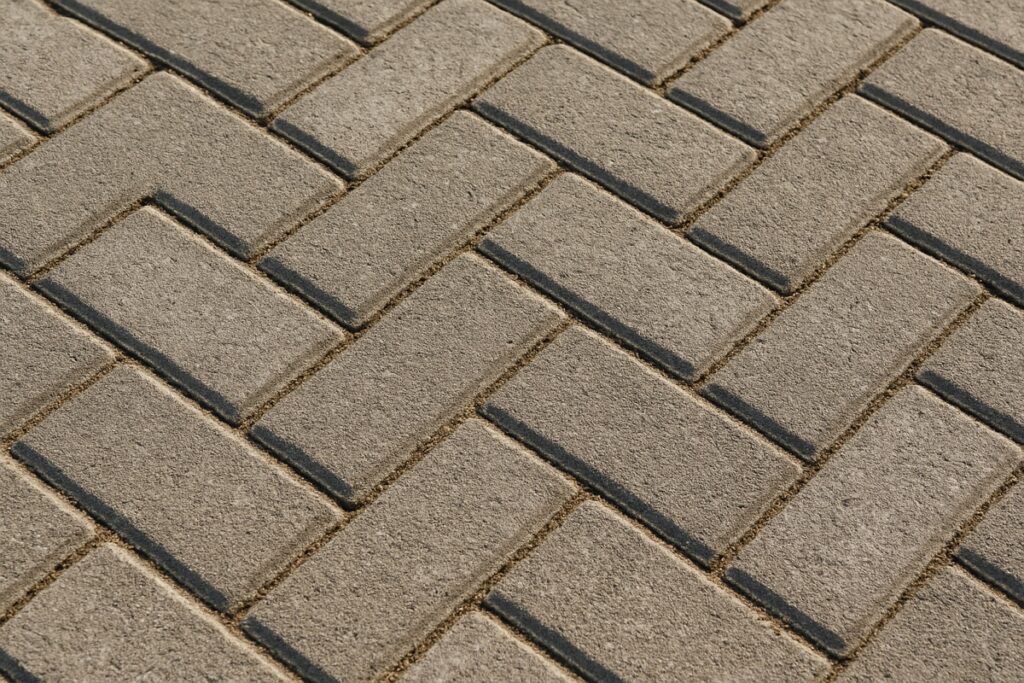
Concrete is low-maintenance day to day but hard to refresh once it weathers, and sealing helps it resist stains. Pavers ask for a bit more attention, mainly keeping the joint sand topped up and periodically sealing to lock everything in and deter weeds, but in return they are easy to keep looking new because damaged units swap out. Neither is maintenance-free, but they ask for different things, and knowing which kind of upkeep fits your habits helps point to the right choice.
Curb appeal and home value
This is where pavers tend to pull ahead. The texture, color options, and pattern possibilities give a driveway a custom, high-end look that complements Southwest Florida architecture and can lift the whole front of the home. Concrete can be dressed up with finishes and coloring, but it rarely matches the visual richness of a quality paver installation. For homeowners focused on curb appeal and resale impression, pavers often justify their cost.
What matters most is the base
Whichever surface you choose, the work you cannot see determines how long it lasts. Proper excavation, a compacted base, and correct grading for drainage are what keep a driveway from settling, cracking, or pooling water. Southwest Florida’s soils and heavy rain make this foundational work especially important. We build the base right because a beautiful driveway over a poor foundation will not stay beautiful, and no surface material can make up for a base that was rushed.
Permitting and doing it by the book
Driveway work in Southwest Florida often involves permitting and has to respect setbacks, drainage requirements, and sometimes HOA standards. As a licensed general contractor, we handle the permitting and make sure the work meets local code, which protects you at resale and ensures the driveway will not become a problem with the city or your association. Cutting corners on permits to save a little time is the kind of shortcut that costs far more later, so we do it by the book from the start.
Thinking about the whole approach
A driveway rarely stands alone. It connects to walkways, the garage apron, and the front entry, and the best results come from treating them as one cohesive design rather than separate slabs poured at different times. Coordinating the materials, colors, and grading across the whole approach lifts the curb appeal of the entire front of the home and ensures water sheds where it should. Treated this way, a functional driveway becomes a feature that makes the right first impression and adds lasting value.
Designing for Florida drainage and heat
Our climate asks more of a driveway than most parts of the country do. Summer downpours can drop an inch of rain in an afternoon, so the slope away from the garage and the house matters as much as the surface itself. We grade driveways to shed water toward the street or a planned drainage point rather than letting it pool against the foundation or wash across a walkway. On larger driveways or lots that sit low, we sometimes work in a channel drain or a permeable section so heavy rain has somewhere to go instead of standing. Heat is the other factor people forget. A driveway in full Cape Coral sun gets hot enough to matter for bare feet and pets, and lighter paver colors or a lighter concrete finish stay noticeably cooler than dark surfaces. We talk through color with that in mind, balancing the look you want against how the surface will feel in July. These are the kinds of decisions that separate a driveway built for a catalog photo from one built for the way Southwest Florida actually lives.
Stamped and decorative concrete
Homeowners drawn to the price of concrete but the look of pavers often land on a middle path, and decorative concrete is worth understanding. Stamped concrete presses a pattern and texture into the wet slab so it can mimic the look of pavers, brick, or stone at a lower cost than laying individual units. Integral color and stains add warmth that a plain gray slab lacks. It is a genuinely attractive option, and for some homes it is the right answer. The honest trade-off is that it is still a single slab underneath, so it can crack like any concrete, and once a stamped surface cracks the repair is harder to hide than swapping a paver. The decorative coating and sealer also need periodic refreshing to keep their color and finish. We lay out where stamped concrete fits well and where the long-term repairability of pavers makes more sense, so the choice fits both your budget and how long you plan to stay in the home.
Timing the work around the season
When a driveway gets built matters more in Florida than people expect. Concrete needs reasonable conditions to cure properly, and pouring in the middle of a daily-thunderstorm stretch invites problems if fresh concrete gets rained on before it has set. Pavers can be installed in a wider range of weather since they do not cure the same way, but the base work still needs dry-enough conditions to compact correctly. We plan the schedule around the forecast and around your driveway being out of use for a stretch, since you will need an alternate place to park while the work and curing happen. Talking through the timeline up front means no surprises about how long the driveway is unavailable, and it lets us pick a window that gives the new surface the best start.
For more on driveway materials and maintenance, see This Old House’s exterior project resources.
Frequently asked questions
Which lasts longer, concrete or pavers? Both can last decades when properly installed. Pavers flex with ground movement and are easier to repair, while concrete is a simpler continuous surface that can crack over time.
Are pavers worth the extra cost? For curb appeal, repairability, and design options, many homeowners find them worth it. Concrete remains the more economical choice upfront.
What causes driveways to fail early? Almost always a poor base or bad drainage. Proper excavation, compaction, and grading are what make a driveway last in Florida.
Planning a driveway project? See our work in the gallery, read about our general contracting services, and reach out through our contact page or call (239) 771-2855 to plan your Cape Coral driveway.
We Serve Southwest Florida
Alliance Construction provides remodeling services in Cape Coral, Naples, Bonita Springs, Estero, North Fort Myers, and Punta Gorda. View all services →