


One of the most common questions the homeowners we work with ask is whether cabinet painting in Florida humidity is genuinely worth it, or whether the finish will peel within a year. It is a fair concern. Our Fort Myers and Cape Coral climate is hard on paint, and a kitchen runs warm and damp every time someone cooks or runs the dishwasher. The honest answer is that painted cabinets can absolutely hold up beautifully here, but only when the prep, the products, and the application are handled correctly. We want to lay out what makes the difference so you can decide with clear eyes.
Why Humidity Is Hard On Cabinet Finishes
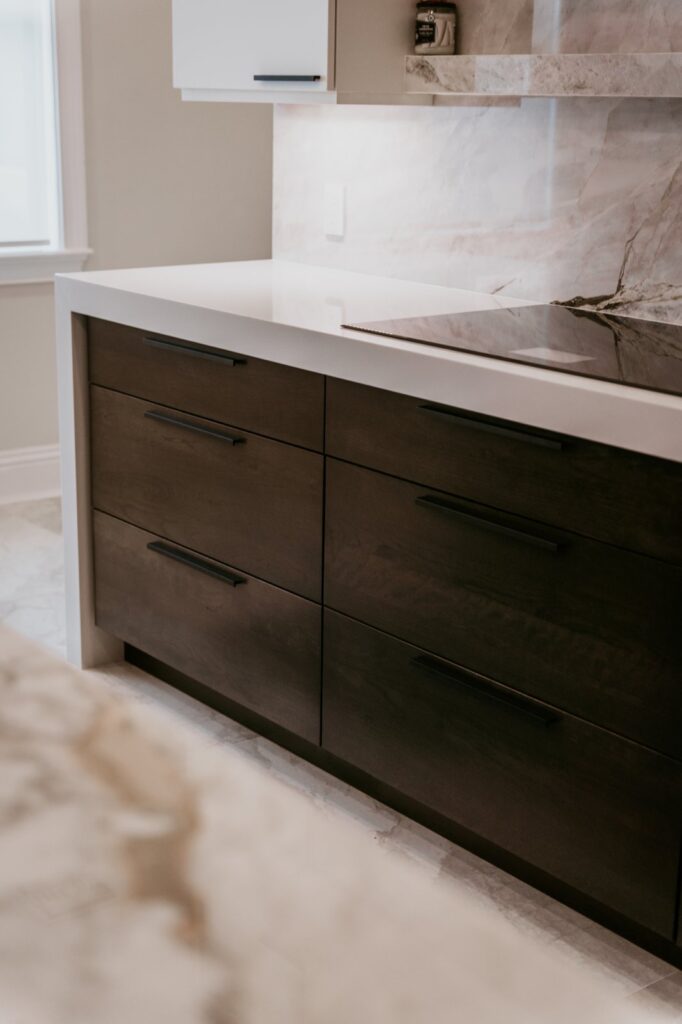
Moisture in the air is the enemy of any coating that is not properly bonded. In Southwest Florida, kitchens deal with cooking steam, dishwasher heat, and ambient humidity that lingers most of the year. When paint is applied to a surface that was poorly cleaned or not deglossed, that moisture works its way under the film and the finish lifts, especially near the sink and the stove.
This is exactly why the bargain repaint jobs fail. They skip the unglamorous prep that protects against our climate, and the humidity finds every weak spot within months.
Prep Is Where The Job Is Won Or Lost
When it comes to cabinet painting in Florida humidity, preparation is roughly ninety percent of a lasting result. We remove the doors and drawers, label everything, and clean off years of cooking grease with a degreaser, because paint will not bond to a film of oil. Then we sand or deglaze every surface so the primer has something to grip.
We also fill dents, repair worn edges, and caulk where it is needed before any primer goes on. None of this shows in a finished photo, but it is the reason a properly painted cabinet still looks crisp years later in a humid kitchen.
Controlling dust during this stage matters too. We seal off the work area and clean every surface after sanding, because a single layer of grit trapped under the primer creates a weak spot where the finish can fail later. In a kitchen that runs warm and damp, those weak spots are exactly where trouble starts. Taking the time to leave each surface clean, dry, and properly deglossed is unglamorous work, but it is the foundation everything else depends on.
The Right Primer And Paint Matter
Product selection is the other half of durability. We use a bonding primer designed to grip slick factory finishes, then a cabinet-grade enamel built to cure hard and resist moisture. Standard wall paint has no place on cabinets that get touched, wiped, and steamed every day.
The enamels we favor level out smoothly and harden into a tough, washable surface. That hardness is what lets a painted cabinet shrug off the daily handling and humidity that would defeat a softer coating.
Cure time is part of this conversation as well. A cabinet enamel may feel dry to the touch within hours, but it continues to harden for days or even weeks afterward. We schedule the work so the doors and frames get the time they need to fully cure before they face heavy daily use, and we let our clients know that gentle handling in the first couple of weeks pays off in a finish that holds up for years in our demanding climate.
Spraying Versus Brushing
For the smoothest, most factory-like finish, we spray cabinet doors in a controlled setting rather than brushing them on site. Spraying eliminates brush marks and lays down an even film that cures into a durable surface. Brushing can work for some frames, but the doors are what your eye lands on, and they deserve a sprayed finish.
Controlling the environment during application also matters in our climate. We manage temperature and airflow so the coating cures properly instead of trapping our ambient moisture as it dries.
When Painting Beats Replacing

Cabinet painting makes the most sense when the boxes themselves are solid. If your cabinets are well built and simply dated or worn in color, painting delivers a dramatic kitchen refresh for a fraction of the cost of replacement, and with far less disruption. We see this all the time in Fort Myers homes from the early 2000s with sturdy cabinets in an out-of-style finish.
If the boxes are swelling, delaminating, or falling apart, painting only hides the problem temporarily. In those cases we have an honest conversation about whether refacing or replacing is the smarter investment for the long run.
How Long Painted Cabinets Last Here
With proper prep and the right products, painted cabinets in a Southwest Florida kitchen hold up for many years before they need attention. The finish on doors near the stove and sink will always see the most wear, but a well-applied enamel resists the daily abuse far better than homeowners expect.
We are upfront that nothing painted is permanent. A quality job buys you a long, attractive run and is easily touched up down the line, which is a very different proposition from a finish that fails in a single humid summer.
Caring For Painted Cabinets In A Humid Kitchen
Maintenance is simple and goes a long way. We recommend wiping spills promptly, using a soft cloth with mild soap rather than harsh abrasives, and keeping the range hood and exhaust running while cooking to pull steam out of the room. Managing the moisture in the air protects the finish as much as anything.
Good ventilation is something we encourage in every SWFL kitchen, painted cabinets or not. The less humidity that lingers around your finishes, the longer everything in the room lasts.
So, Is It Worth It
For the right kitchen, cabinet painting in Florida humidity is absolutely worth it. When the cabinet boxes are sound and the work is done with thorough prep, a bonding primer, and a sprayed cabinet enamel, you get a transformed kitchen that holds up to our climate at a fraction of the cost of new cabinetry. The key is choosing a team that respects the prep and the products, because that is what separates a finish that lasts from one that disappoints.
For broader guidance on painting and finishing cabinets, see This Old House’s painting resources.
Frequently Asked Questions
Will painted cabinets peel in our humid climate? Not when they are prepped and coated correctly. Peeling almost always traces back to skipped degreasing, no deglossing, or the wrong paint. Done properly, the finish bonds and holds.
How much cheaper is painting than replacing cabinets? Significantly, in most cases, because you keep the existing boxes and avoid demolition and new installation. The exact savings depend on your kitchen, and we provide a clear estimate after seeing it.
Can I paint over wood, laminate, or thermofoil cabinets? Often yes, but each surface needs a different prep and primer approach. We assess what your cabinets are made of before committing to an approach, since the bonding step changes by material.
How long does the whole project take? Most kitchens take several days to a couple of weeks depending on size and how many coats and cure times are involved. We protect your space and keep the kitchen usable as much as possible throughout.
If you are weighing a refresh against a full replacement, our team is glad to take a look and give you a straight answer. Learn more on our painting and finish page, see how it fits into a larger kitchen remodeling project, and reach out through our contact page or call (239) 771-2855.